Pumas and Wild Cats Are Living in the Hills Above Baños — and That's Great News

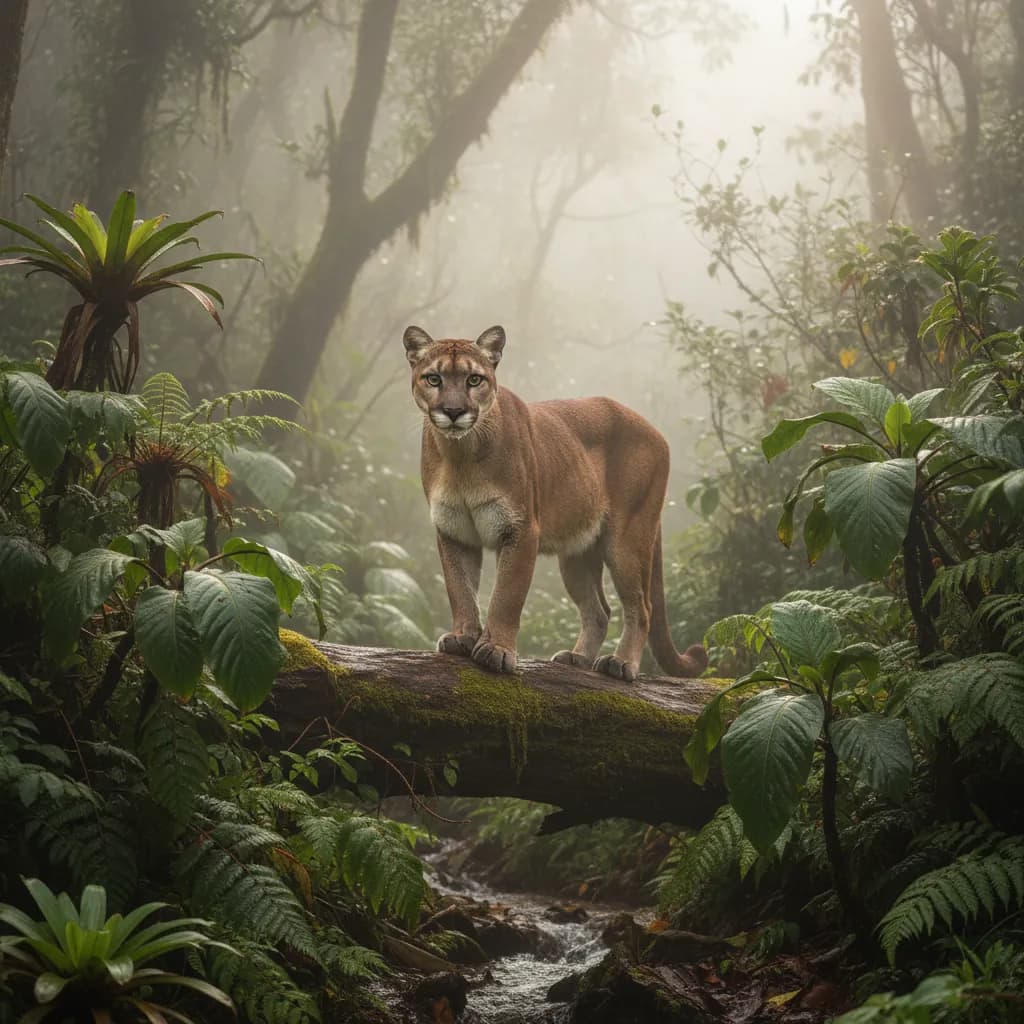
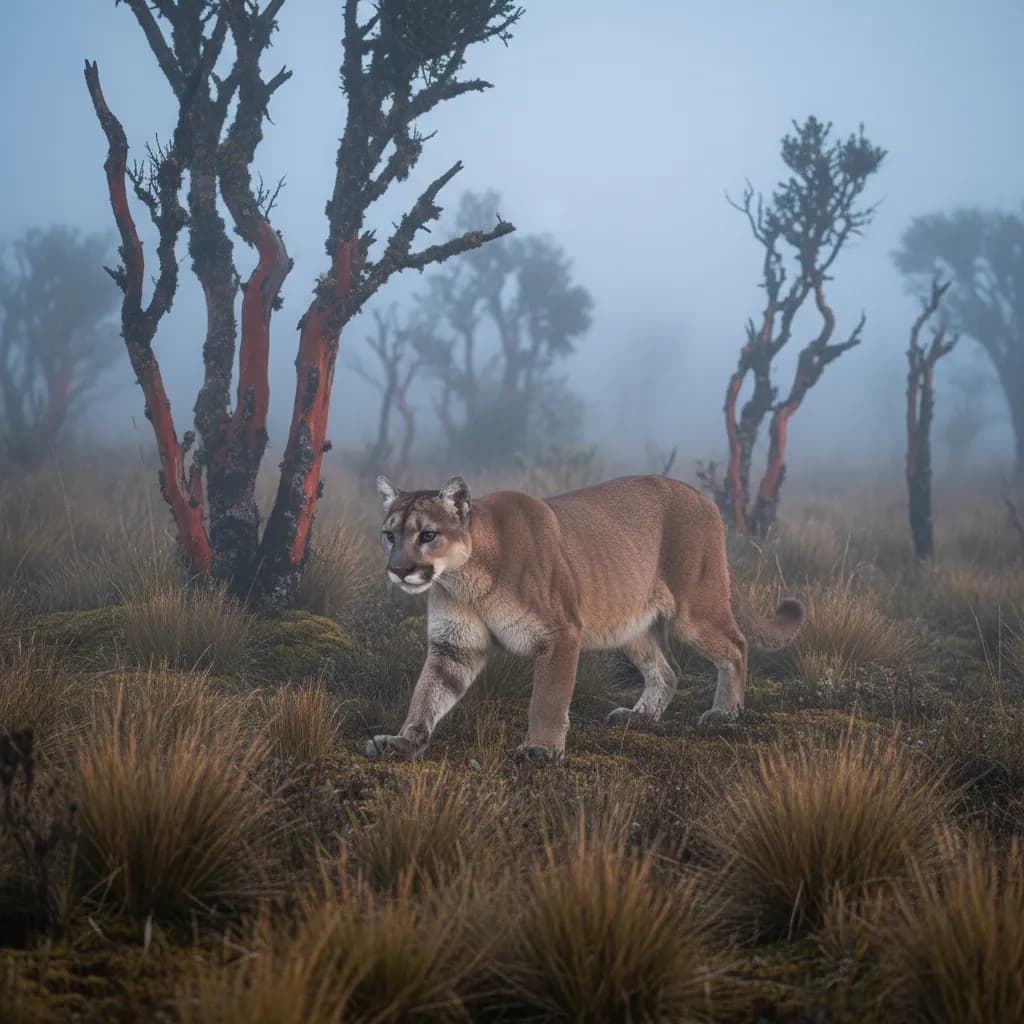
Camera traps in the hills above Baños have captured something remarkable: pumas and Andean tigrillo cats are living in the water recharge zones that supply drinking water to roughly 40,000 people.
The discovery, led by technician Juan Carlos Cedeño from the Junta Administradora de Agua Potable de Baños (the local water board), confirms the presence of two species: Puma concolor (mountain lion) and Leopardus garleppi (Andean tigrillo, a small wild cat related to the ocelot).
Where They Are
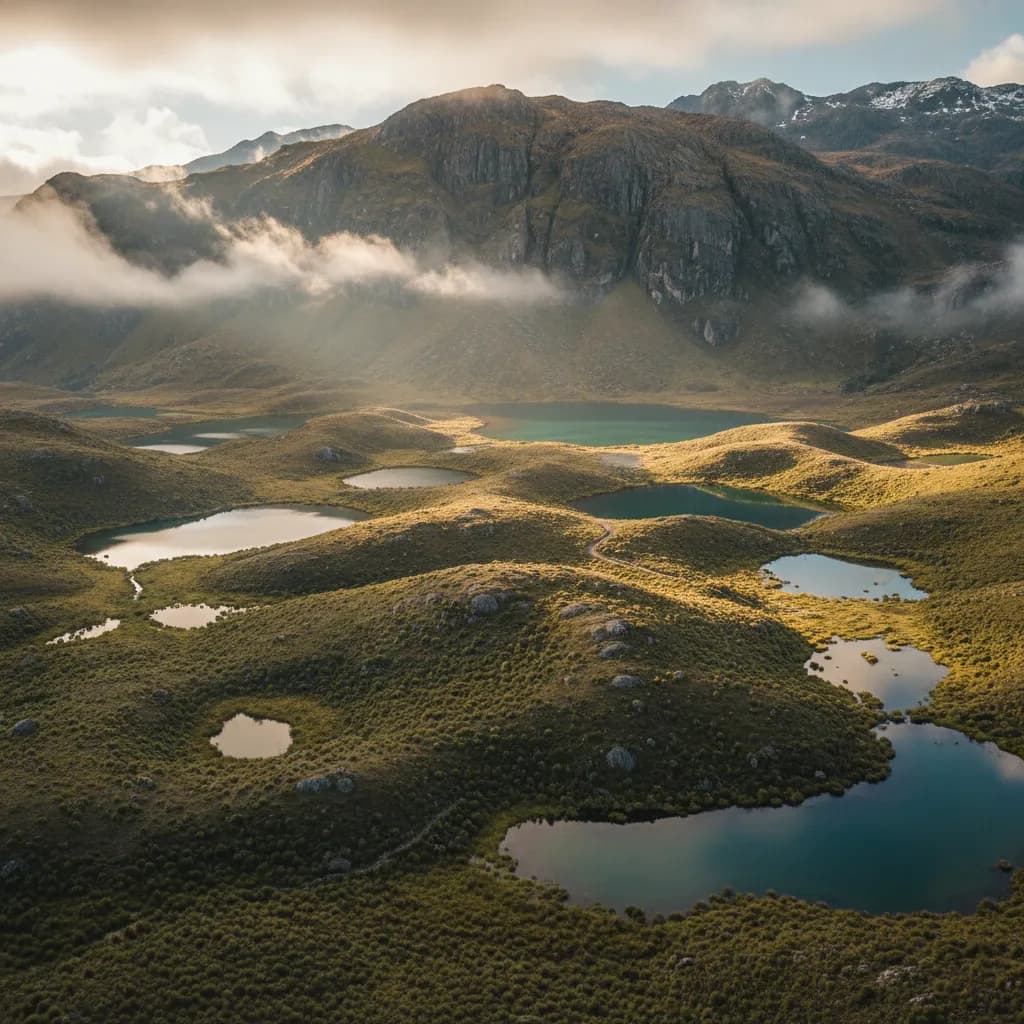
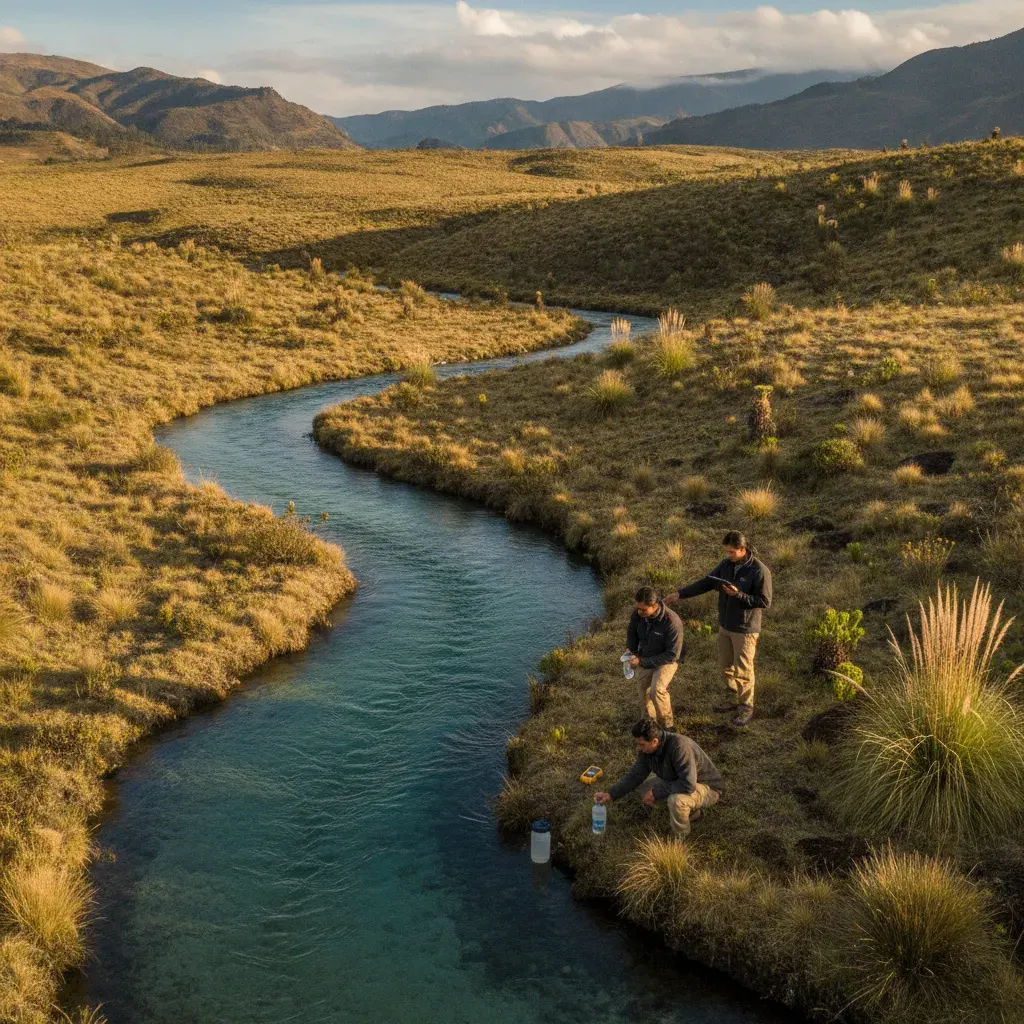
The water board installed four camera traps in 2025 across more than 3,000 hectares of protected water recharge zones. The monitoring covers two microwatersheds: the Río Minas catchment (1,492 hectares) and the Río Yunguillayacu catchment (1,268 hectares).
If you've hiked in the hills above Baños, you've been in their territory.
Why It Matters
According to Cedeño, these cats function as "umbrella species and ecological regulators, controlling prey populations and maintaining ecosystem balance." The area supports approximately 20 animal species in total.
And here's the part that connects to your morning coffee: these same zones are the headwaters that supply Baños's drinking water. Healthy ecosystems upstream mean cleaner, more reliable water downstream. Protecting the cats isn't just conservation for conservation's sake — it's protecting the water supply.
The Threats
The biggest danger isn't what you'd expect. It's feral dogs. Camera traps have documented abandoned dogs forming packs that chase and hunt the wild cats. Forest fires and habitat fragmentation from agricultural expansion are also ongoing threats.
As Cedeño puts it: "Pumas don't kill livestock; pumas flee from people." The misconception that they're dangerous leads to hostility they don't deserve.
The Conservation Work
The water board runs a native plant nursery cultivating about 60 forest species, with over 200 additional species found in the high-altitude zones. They're promoting agroecological practices among residents in the recharge areas — trying to balance farming with habitat preservation.
It's a quiet, underfunded effort doing genuinely important work. The next time you're in Baños for the thermal baths, remember: the water flowing downhill is coming from a place where pumas still roam.
Source: El Mercurio
Keep Cuenca's daily expat briefing independent.
Reader support helps pay for reporting, translation, editing, hosting, and the daily work behind CuencaExpat.