Does Cuenca Need More Taxis? A New Study Is Trying to Find Out


The Question Nobody Can Agree On
Ask a taxi driver in Cuenca if the city needs more taxis and they'll look at you like you suggested raising their rent. Ask someone who's stood on a corner for 20 minutes during rush hour trying to flag one down, and they'll tell you there aren't nearly enough.
The truth, as usual, is complicated. And the city has just launched a 4-5 month consulting study to try to answer the question definitively.
The Numbers
Let's start with the facts:
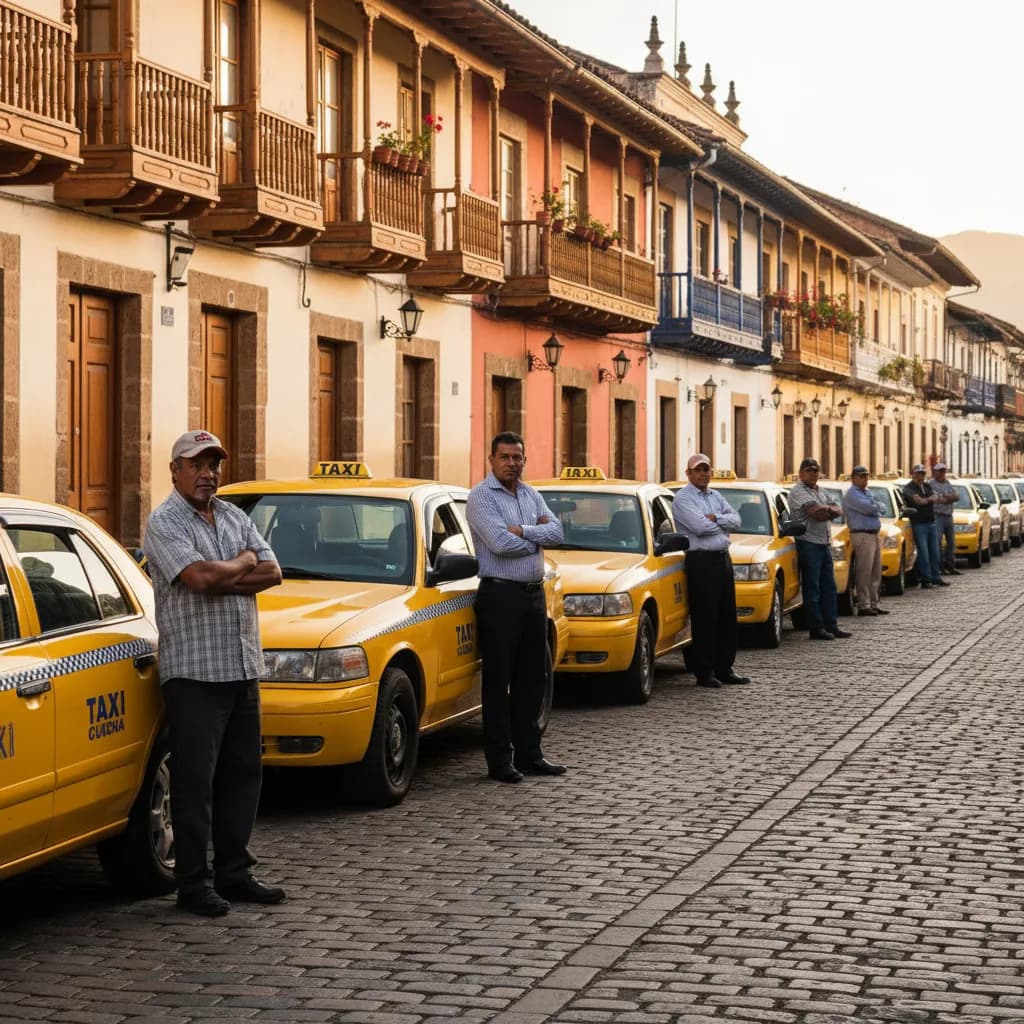
- 3,612 taxis currently serve Cuenca
- The city's population is approximately 596,101
- That works out to roughly one taxi for every 165 people
- Taxi fares have not been updated since 2014 — that's 12 years ago
- Drivers report an average 40% income loss compared to pre-pandemic levels
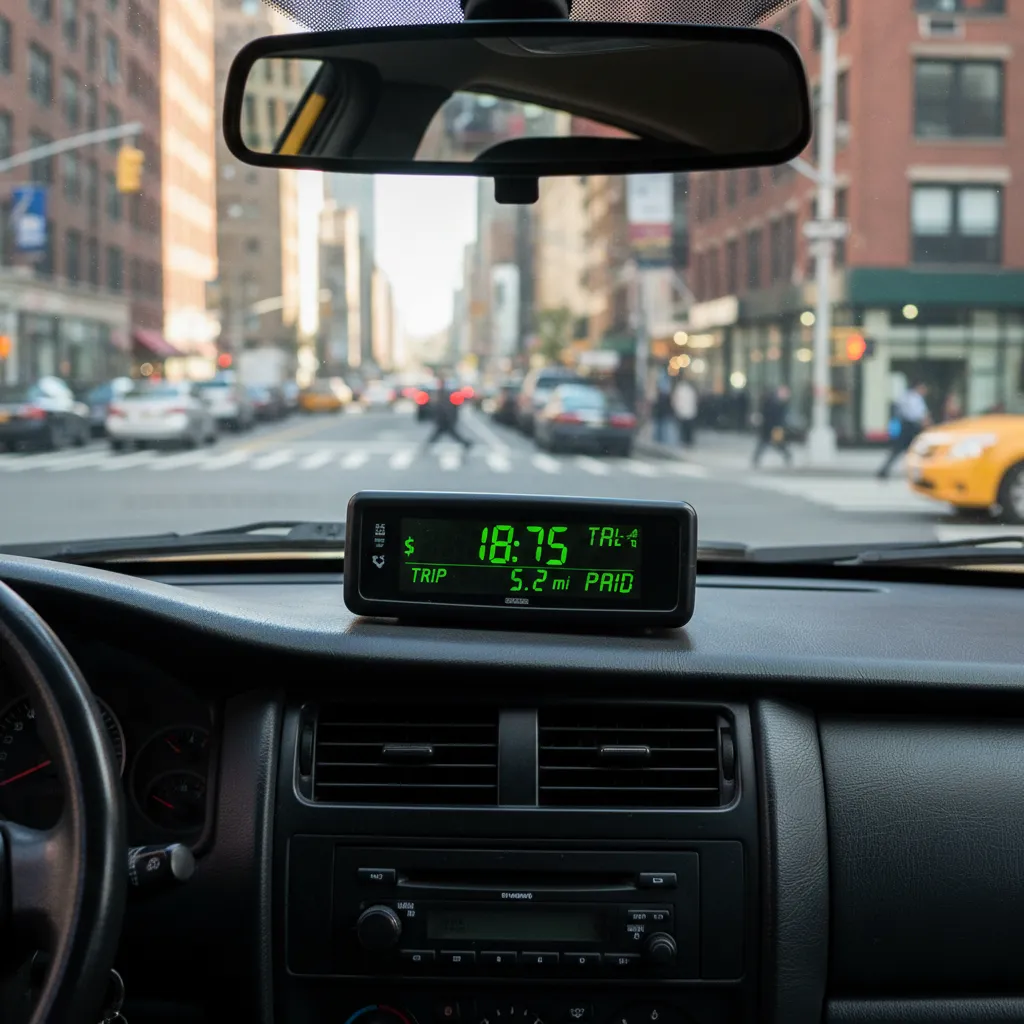
- The city receives approximately 7 complaints per week about taximeter tampering
Those numbers tell a story of an industry under stress. More taxis than riders want, fares frozen at rates that don't reflect current costs, and enough taximeter fraud complaints to suggest that some drivers are cutting corners to make up the difference.
Why Drivers Are Struggling
The pandemic hit Cuenca's taxi industry like a truck, and it never fully recovered. Here's why:
Ride-hailing apps — While Uber doesn't officially operate in Cuenca the way it does in Quito and Guayaquil, informal ride-hailing through WhatsApp groups and local apps has exploded. These services operate in a regulatory gray area, don't pay the same fees or follow the same rules as licensed taxis, and compete directly for the same riders.
The tram — Cuenca's tranvia, which began full operations in recent years, handles thousands of rides per day along the city's main east-west corridor. Every tram rider is potentially a taxi ride that didn't happen.
Frozen fares — The base taxi fare in Cuenca hasn't changed since 2014. In that time, gasoline prices have fluctuated dramatically, vehicle maintenance costs have risen, insurance rates have gone up, and the cost of living in Cuenca has increased substantially. Drivers are earning 2014 rates in a 2026 economy.
Oversupply — The ratio of one taxi per 165 residents is actually quite high compared to many cities. There may simply be too many taxis chasing too few fares, which depresses income for everyone.
The Taximeter Problem
Seven complaints per week about taximeter tampering might not sound like a lot, but consider that most people who get overcharged in a taxi don't file a formal complaint — they just grumble and move on. The actual rate of tampering is almost certainly higher.
Taximeter manipulation in Cuenca typically involves rigging the meter to advance faster than it should, essentially overcharging passengers per kilometer. It's not unique to Cuenca — it's a problem in taxi industries worldwide — but it erodes trust and pushes riders toward alternatives.
EMOV, the municipal transit authority, conducts periodic inspections, but with 3,612 taxis on the road, comprehensive enforcement is a challenge.
What the Study Will Look At
The consulting study, which will take 4 to 5 months to complete, is expected to analyze:
- Whether the current number of taxis meets actual demand
- Whether new licenses should be issued or existing ones reduced
- Whether fare structures need to be updated
- How ride-hailing services are affecting the market
- The impact of the tram on taxi demand
- Service quality and passenger satisfaction
The results will inform policy decisions about taxi licensing, fares, and regulation. In other words, this study will shape Cuenca's taxi industry for years to come.
What This Means for Expats
As someone who uses taxis regularly in Cuenca, here's what matters to you:
- Fares may finally change. If the study recommends a fare increase, expect base rates to go up. The current minimum of $1.55 is remarkably cheap by any standard, and an increase has been overdue for years. A modest bump — even to $2.00 — would be fair and still make Cuenca taxis extremely affordable
- Service quality is on the radar. The fact that the city is studying service quality means passenger complaints are being heard. If you've had issues with drivers refusing short rides, taking roundabout routes, or running rigged meters, the study creates a framework for addressing these problems
- Use established taxi apps when possible. Apps like the local cooperative apps provide fare estimates, driver identification, and a record of your ride. They're the best protection against overcharging
- Always check the taximeter at the start of your ride. It should start at the base fare and advance at a reasonable rate. If it seems to be jumping, note the driver's ID and report it to EMOV
- Tipping is not expected in Cuenca taxis but is appreciated. Rounding up to the nearest dollar is standard and generous by local standards
- The 40% income loss is real. Many taxi drivers are genuinely struggling. When you get good service, a kind word and a small tip go a long way
The taxi study results should be available by late 2026. We'll cover the findings when they come out.
Source: El Mercurio
Keep Cuenca's daily expat briefing independent.
Reader support helps pay for reporting, translation, editing, hosting, and the daily work behind CuencaExpat.
More in News
View all →Cuenca Residents Face Rising Market Prices, Azuay Governor Warns Against Speculation
October 15, 2026
Gapal Interchange Project Faces Claims Amidst Bidding Process in Cuenca
September 21, 2026
Azuay Prosecutors Request Hearing for Suspended Cuenca Mayor Cristian Zamora Amid Health Travel Announcement
September 21, 2026