Nearly 10,000 Doses of Cocaine Found in Cuenca Shipping Agencies — Disguised as Candy

What Happened
Here's a story that hits close to home for anyone who uses package forwarding services in Cuenca — and that's a lot of expats.
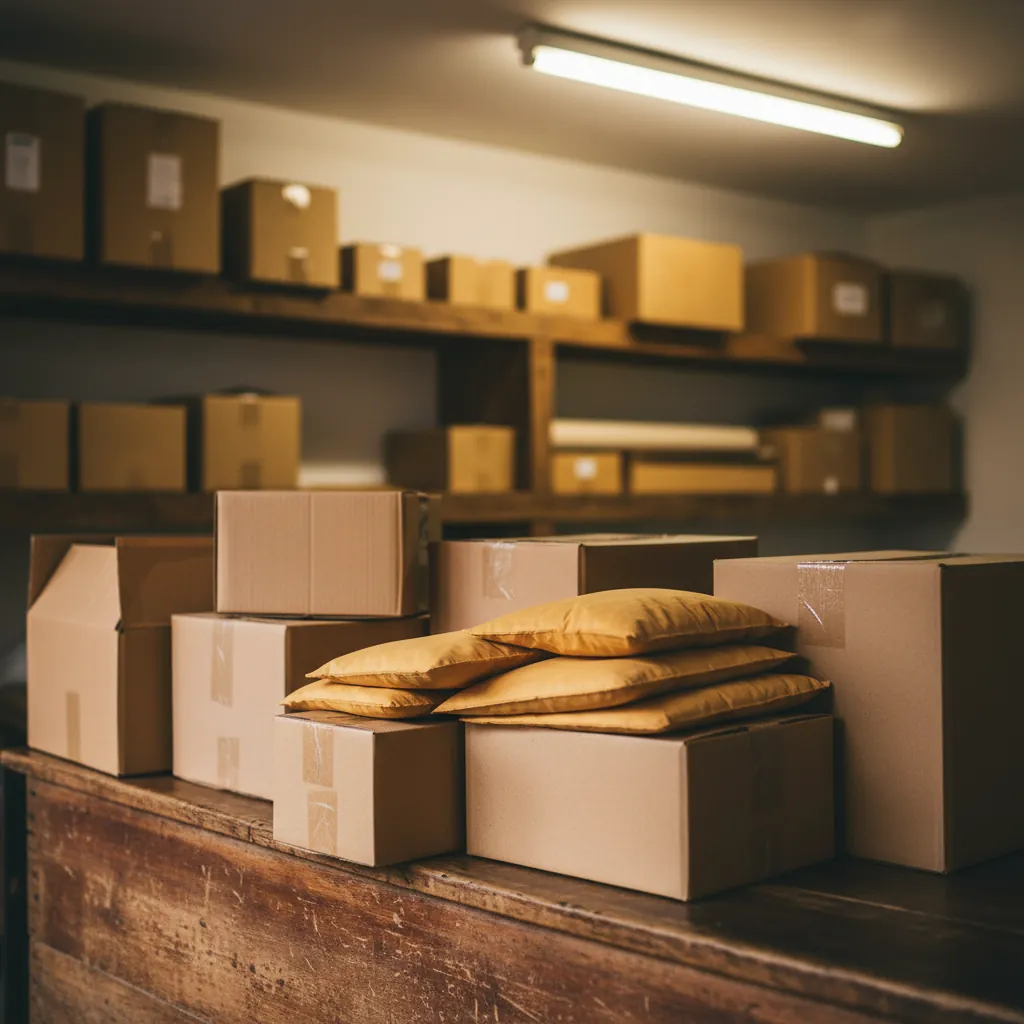
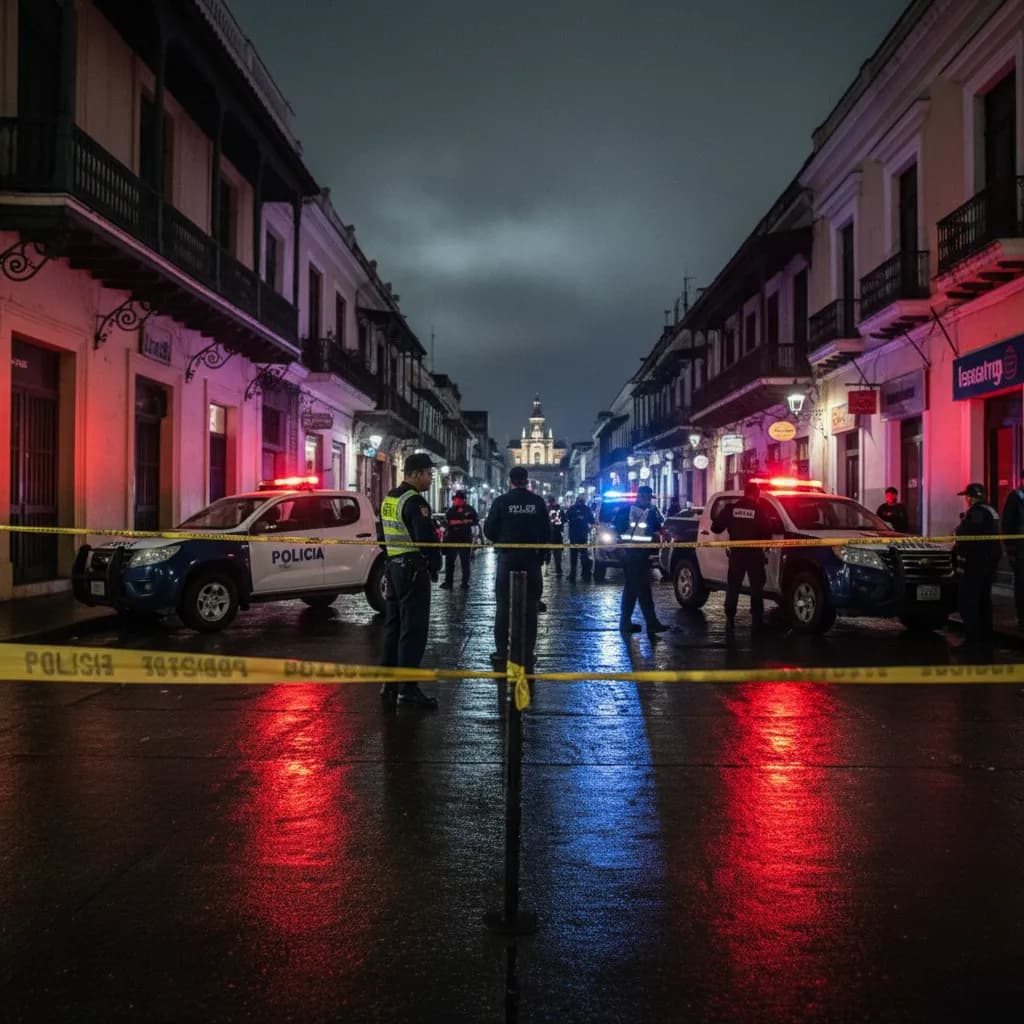
The Anti-Narcotics Investigation Division (DINAIN) seized 9,990 doses of cocaine from package forwarding agencies in central Cuenca. The drugs were disguised as candy inside packages that were addressed to recipients in the United States.
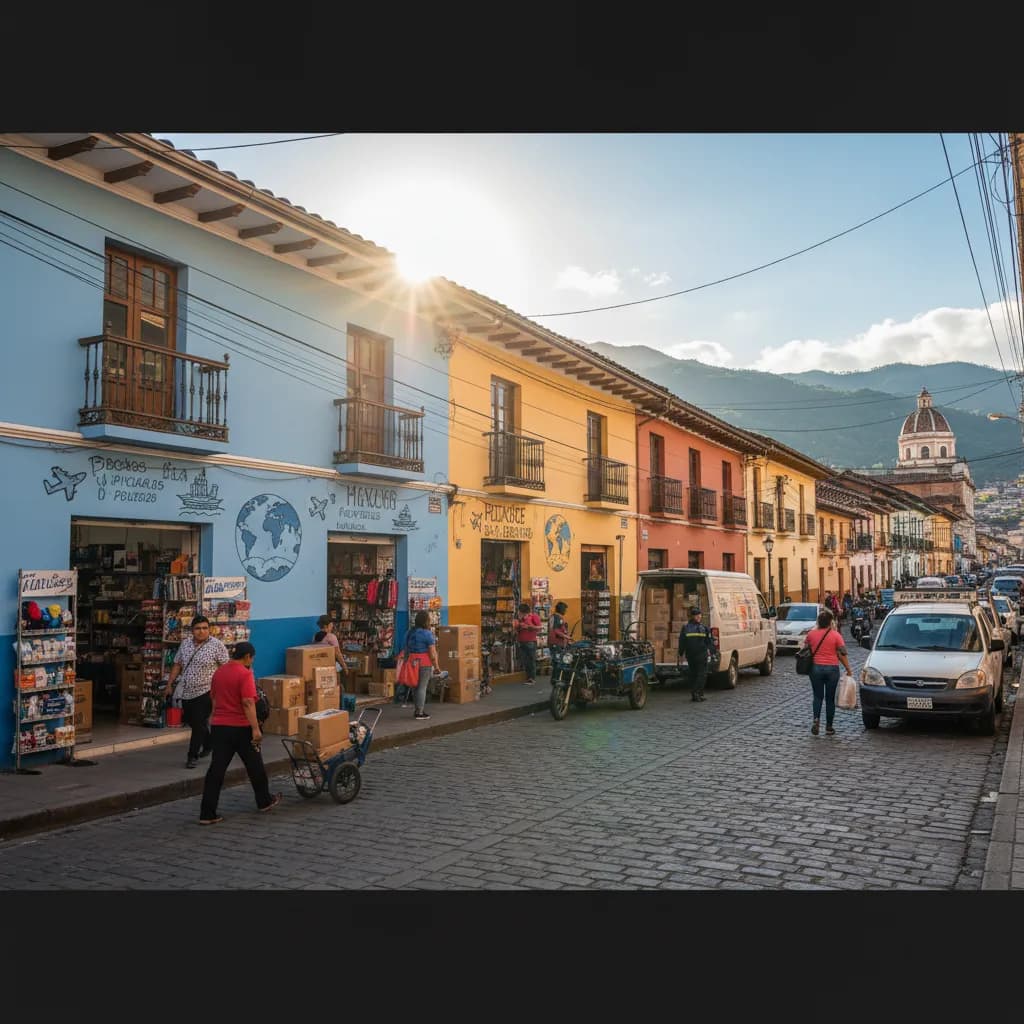
Let that sink in for a second. The same type of shipping agencies that many expats use to send gifts to family, forward documents, or ship purchases back to the States were being used to move cocaine across international borders.
How They Caught It
The detection came down to good old-fashioned police work combined with standard screening protocols. DINAIN officers conducting routine inspections at the agencies noticed irregularities in the weight and dimensions of certain packages. When a package labeled as containing candy weighs significantly more than candy should, that's a red flag.
Upon inspection, the cocaine was found concealed within the packaging, made to look like confectionery products. The volume — nearly 10,000 individual doses — indicates this wasn't a one-off attempt but a coordinated trafficking operation using commercial shipping infrastructure.
Authorities have not released the names of the specific agencies involved, and the investigation is ongoing.
The Bigger Picture
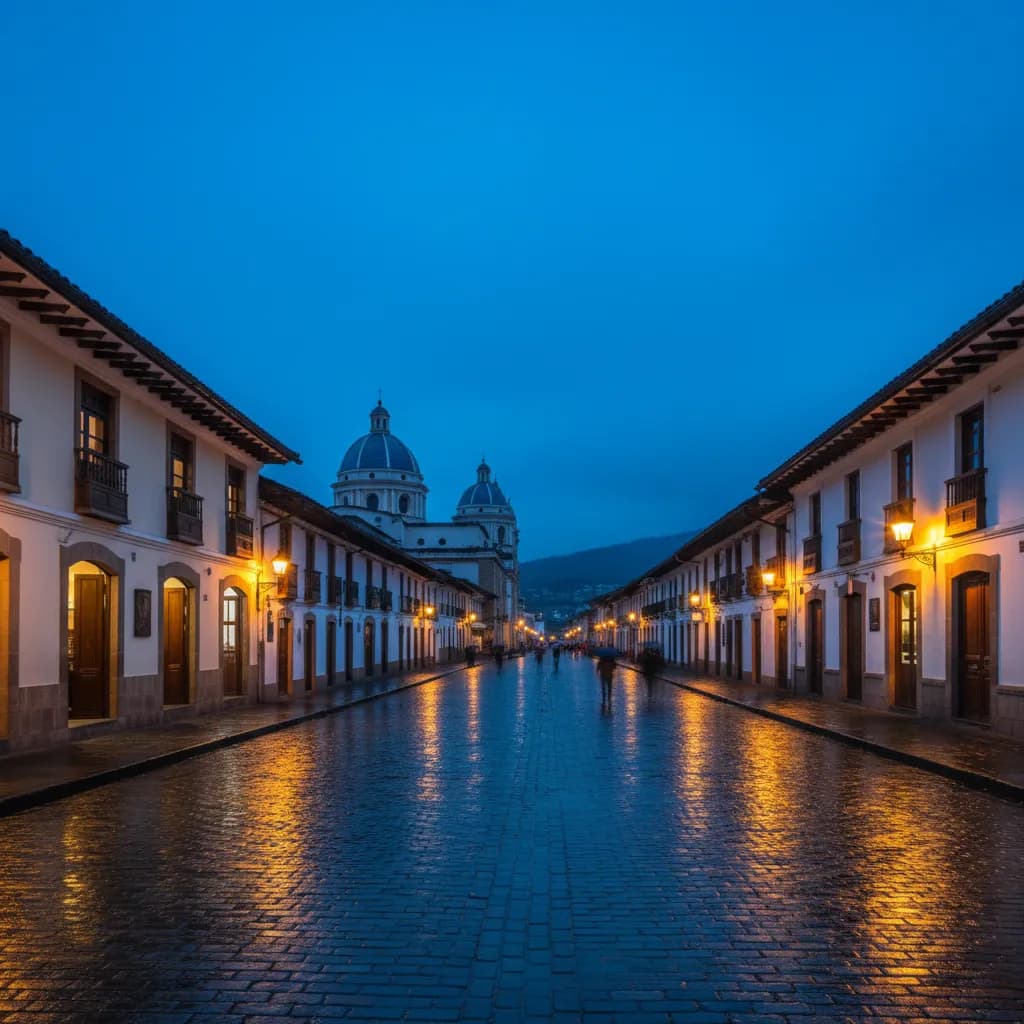
Ecuador has been dealing with a surge in drug trafficking activity over the past several years, and Cuenca — once considered largely insulated from the worst of it — has not been immune. The city sits along trafficking routes that connect coca-producing regions to international shipping hubs, and criminal organizations have increasingly exploited legitimate commercial infrastructure to move product.
Package forwarding agencies are a particularly attractive vector because:
- They handle high volumes of packages daily
- Individual packages are relatively small and easy to camouflage
- US-bound shipments go through multiple handling points, creating opportunities to insert contraband
- The agencies themselves may not be complicit — their services can be exploited by third parties who present themselves as regular customers
This seizure is a reminder that Cuenca, despite its reputation as a safe, sleepy highland city, is not disconnected from the broader security challenges facing Ecuador.
What This Means for Expats
If you use package forwarding services in Cuenca — and many expats do, for everything from Amazon orders to holiday gifts — here's what you should know:
- You are almost certainly not at risk personally. These trafficking operations target agencies for their infrastructure, not individual customers. Your package of books or birthday presents is not going to get you in trouble
- However, heightened scrutiny is coming. Expect more inspections, longer processing times, and possibly additional documentation requirements at shipping agencies. This is a good thing — it means the system is being tightened up
- Choose reputable agencies. Stick with well-established, well-reviewed shipping services. Ask fellow expats for recommendations. If an agency seems unusually cheap or loosely run, that's worth noting
- Keep your shipping receipts and documentation. If authorities ever question a package, having clear records of what you sent, when, and to whom protects you
- Don't agree to ship packages for other people unless you know exactly what's inside. This should be obvious, but it bears repeating. If someone asks you to add something to your shipment, politely decline
- Be aware of the legal context. Ecuador's drug laws carry severe penalties. Even being tangentially connected to a trafficking case can create enormous legal complications. Stay completely clear of anything suspicious
The broader takeaway: Cuenca is still one of the safest cities in Ecuador, but the drug trade touches every part of the country in some way. Being aware and making smart choices about which services you use is just good practice.
Source: El Mercurio
Keep Cuenca's daily expat briefing independent.
Reader support helps pay for reporting, translation, editing, hosting, and the daily work behind CuencaExpat.
More in News
View all →Cuenca Residents Face Rising Market Prices, Azuay Governor Warns Against Speculation
October 15, 2026
Gapal Interchange Project Faces Claims Amidst Bidding Process in Cuenca
September 21, 2026
Azuay Prosecutors Request Hearing for Suspended Cuenca Mayor Cristian Zamora Amid Health Travel Announcement
September 21, 2026