Cuenca's Mayor Zamora Raided by Prosecutors — What We Know So Far


The Raid
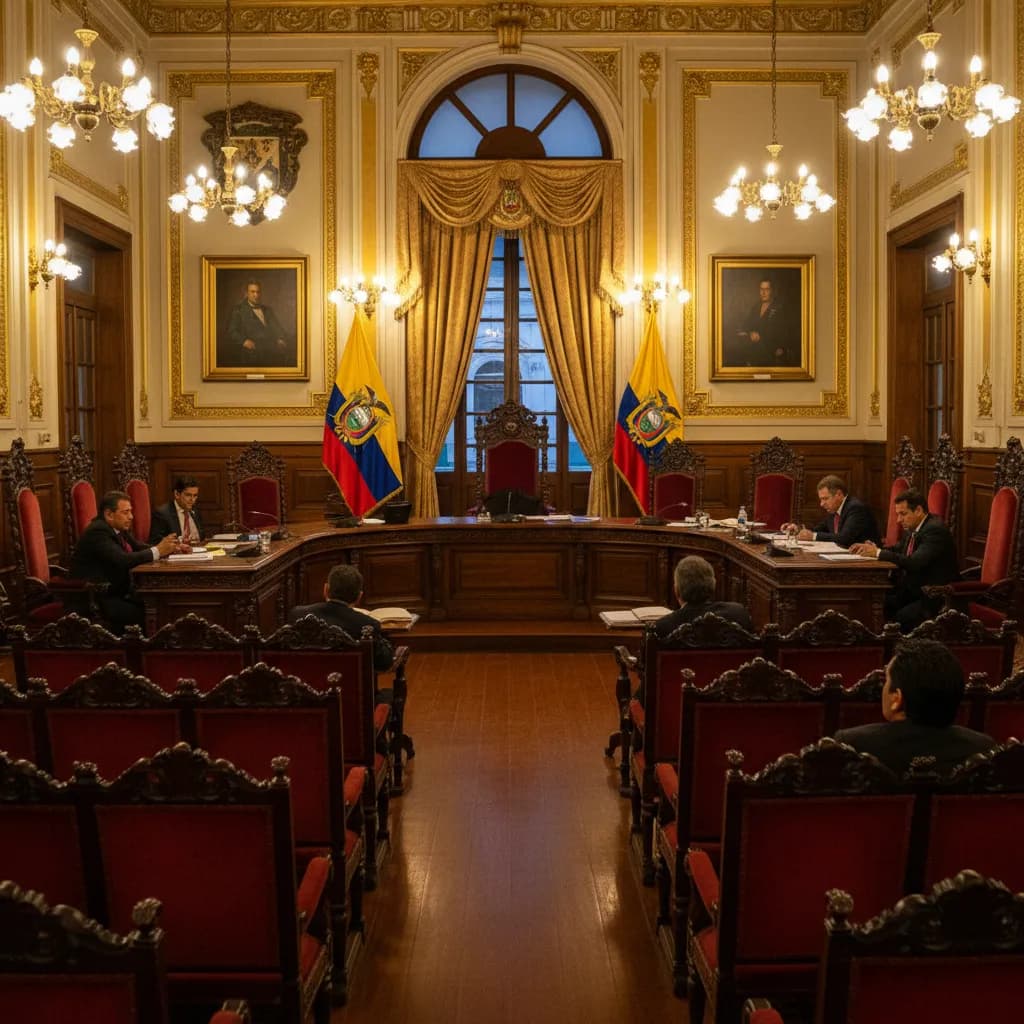
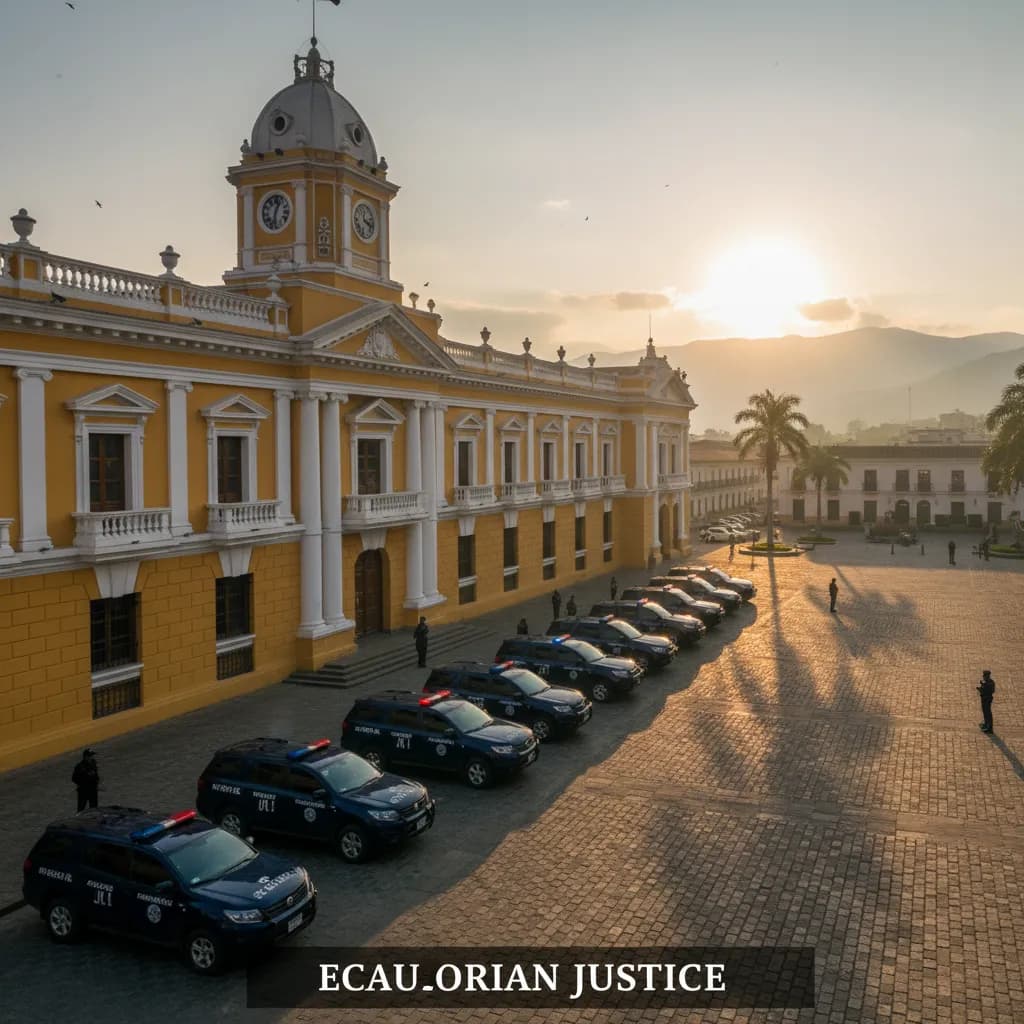
On March 17, 2026, Ecuadorian prosecutors accompanied by police officers executed search warrants at Mayor Cristian Zamora's home and municipal office in Cuenca. The operation was part of an ongoing investigation into illicit enrichment — a charge that alleges public officials have accumulated wealth that cannot be explained by their legitimate income.
According to reports from Primicias and El Mercurio, investigators seized computers, mobile phones, and financial documents from both locations. The investigation centers on approximately $80,000 in unexplained financial movements over a five-year period that prosecutors say don't align with Zamora's declared income.
This is a significant development. Cristian Zamora is the sitting mayor of Ecuador's third-largest city, and a raid on an active mayor's residence is not something that happens casually in the Ecuadorian legal system. It required judicial authorization based on evidence that prosecutors deemed sufficient to justify the intrusion.
What Prosecutors Allege
The core of the investigation is straightforward: prosecutors are alleging that over approximately five years, Zamora's financial records show roughly $80,000 in transactions that cannot be traced to his salary, declared business activities, or other legitimate income sources.
In Ecuador, public officials are required to file sworn declarations of assets (declaraciones patrimoniales) when they take office and periodically thereafter. These declarations create a paper trail that prosecutors can audit. When the numbers don't add up, it triggers an illicit enrichment investigation.
$80,000 over five years might not sound like a massive sum in absolute terms, but in the context of Ecuadorian municipal salaries and the country's aggressive anti-corruption framework, it's more than enough to warrant a formal investigation.
Zamora's Response
Mayor Zamora has denied wrongdoing and offered explanations for the questioned financial movements. According to his public statements, the funds in question come from:
- Family loans — money borrowed from or lent to family members
- Legitimate business income from activities prior to and concurrent with his time in office
Zamora has characterized the investigation as politically motivated and has vowed to cooperate fully with prosecutors while defending his reputation.
Notably, 12 of the 15 members of Cuenca's city council have publicly expressed support for Zamora, which tells you something about the political dynamics at play. Whether that support reflects genuine belief in his innocence, political calculation, or both is an open question.
What Happens Next
Illicit enrichment investigations in Ecuador can take months or even years to resolve. Here's the likely trajectory:
- Forensic analysis of the seized electronics and documents — this alone could take months
- Financial auditing of Zamora's accounts, assets, and transactions over the relevant period
- Witness testimony from family members, business associates, and municipal employees
- Potential formal charges if prosecutors determine the evidence is sufficient
- Trial if charges are filed
Importantly, the investigation does not remove Zamora from office. He remains the sitting mayor with full authority unless and until a court issues a specific order — which would require either a conviction or extraordinary circumstances.
Context: Ecuador's Anti-Corruption Landscape
Ecuador has a complicated relationship with political corruption. The country ranks poorly on international corruption indices, and investigations of public officials are common. Several former presidents have faced corruption charges, with varying outcomes.
However, it's also true that corruption investigations are sometimes wielded as political weapons. The line between legitimate anti-corruption enforcement and political persecution can be blurry, and Cuenca's local political scene — like any city's — has factions, rivalries, and agendas.
This doesn't mean the investigation is illegitimate. It means that the full picture will only emerge as the legal process unfolds.
What This Means for Expats
You might wonder why a local political scandal matters to you. Here's why:
- Municipal governance directly affects your daily life. The mayor's office controls decisions about infrastructure, zoning, building permits, public services, water, transit, and the scores of bureaucratic processes that expats interact with regularly
- If the investigation escalates, it could distract municipal leadership at a critical time. Cuenca has major ongoing projects — tram expansion, flood management, road repairs — that require focused attention from city hall
- Political instability at the municipal level can slow down or freeze decision-making. If city council members are spending their time on political positioning rather than governance, projects and services can stall
- For those going through any municipal permitting process (building, business, residence), be aware that internal turmoil at the municipality can create delays
- Don't panic. This is part of how democratic institutions work — investigations happen, legal processes run their course, and the city continues to function. Cuenca has survived far worse political crises than this
The best thing you can do is stay informed and watch how this plays out. We'll continue to cover the investigation as new information becomes available.
Sources: Primicias, El Mercurio
Keep Cuenca's daily expat briefing independent.
Reader support helps pay for reporting, translation, editing, hosting, and the daily work behind CuencaExpat.
More in News
View all →Cuenca Residents Face Rising Market Prices, Azuay Governor Warns Against Speculation
October 15, 2026
Gapal Interchange Project Faces Claims Amidst Bidding Process in Cuenca
September 21, 2026
Azuay Prosecutors Request Hearing for Suspended Cuenca Mayor Cristian Zamora Amid Health Travel Announcement
September 21, 2026