Cuenca Removes 17 Unauthorized Surveillance Cameras During Security Operation

Source: La Hora
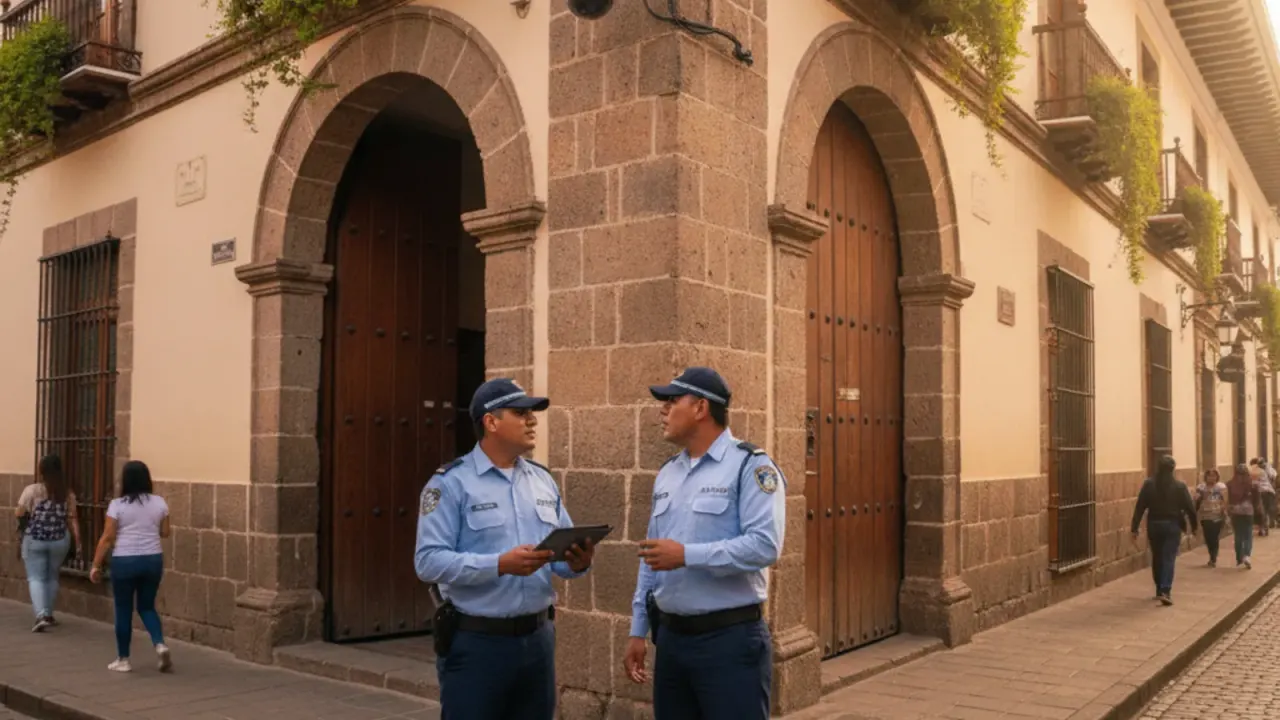
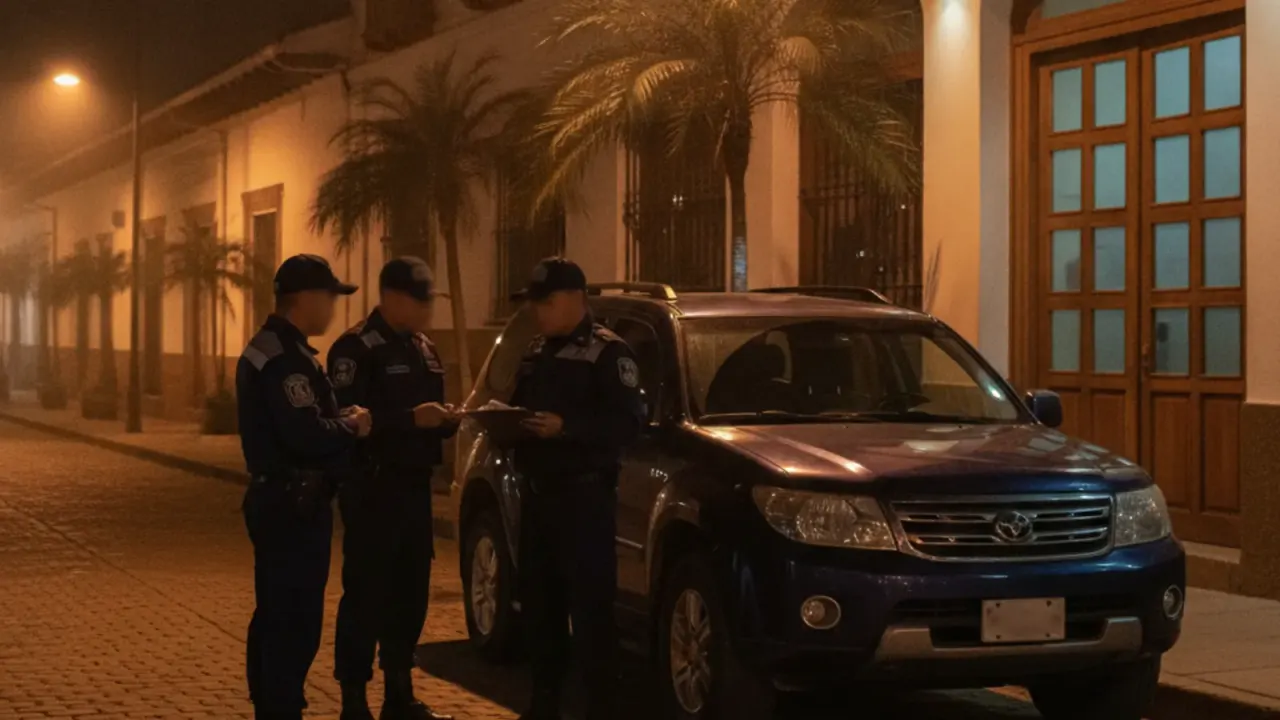
An Ecuadorian Army operation in the urban center of Cuenca removed 17 surveillance devices that did not have the corresponding authorizations, according to the report on the operation.
What happened
The Army carried out the security operation in support of state institutions. Its stated purpose was to remove monitoring equipment that lacked the required permissions.
The devices were identified on different roads, in public spaces, and at points considered highly conflictive. After the verification process, they were removed under established procedures and the current legal framework.
That is the concrete part of the update: the operation was about authorization and removal, not a general announcement that all private or community cameras are prohibited. The published details do not identify the individual streets, the owners of the equipment, or how long the devices had been installed.
Why this matters for residents
Many residents think about cameras as a neighborhood-security question. The operation adds a second question: who is allowed to install monitoring equipment in a public-facing location, and under what authorization?
For a building, business, or neighborhood group, a camera can be useful without automatically being lawful to place wherever the operator wants. The location, the institution responsible for the space, and the relevant permission all matter. The operation shows that cameras visible from roads and public areas can become part of a state security review.
It also means residents should be careful about drawing conclusions from the number alone. The removal of 17 devices does not establish how many authorized cameras remain in the city, whether replacement equipment will be approved, or whether the operation will be repeated in other areas.
Practical questions for a building or neighborhood
If your building or community uses cameras, keep the basic documentation organized:
- Who owns and maintains the equipment?
- Where is each camera pointed?
- What permission covers its installation?
- Who can access the recordings?
- How long are recordings retained?
Those questions are useful because security equipment sits at the intersection of safety, privacy, property management, and public-space rules. A camera can support a response after an incident, but the installation itself should have a clear responsible party.
What is still unknown
The operation report does not give a street-by-street list, identify the devices’ owners, or state whether the cameras will be replaced. It also does not say that the 17 removals represent every unauthorized device in Cuenca.
For expats, the sensible takeaway is narrow: if a camera is installed around your home or business, ask about the authorization and the person responsible for the system. The city’s security environment is shaped by both the technology residents want and the rules institutions apply to it.
Keep Cuenca's daily expat briefing independent.
Reader support helps pay for reporting, translation, editing, hosting, and the daily work behind CuencaExpat.