Cuenca’s Two-on-a-Motorcycle Ordinance Moves Toward a Second Debate

Source: El Mercurio
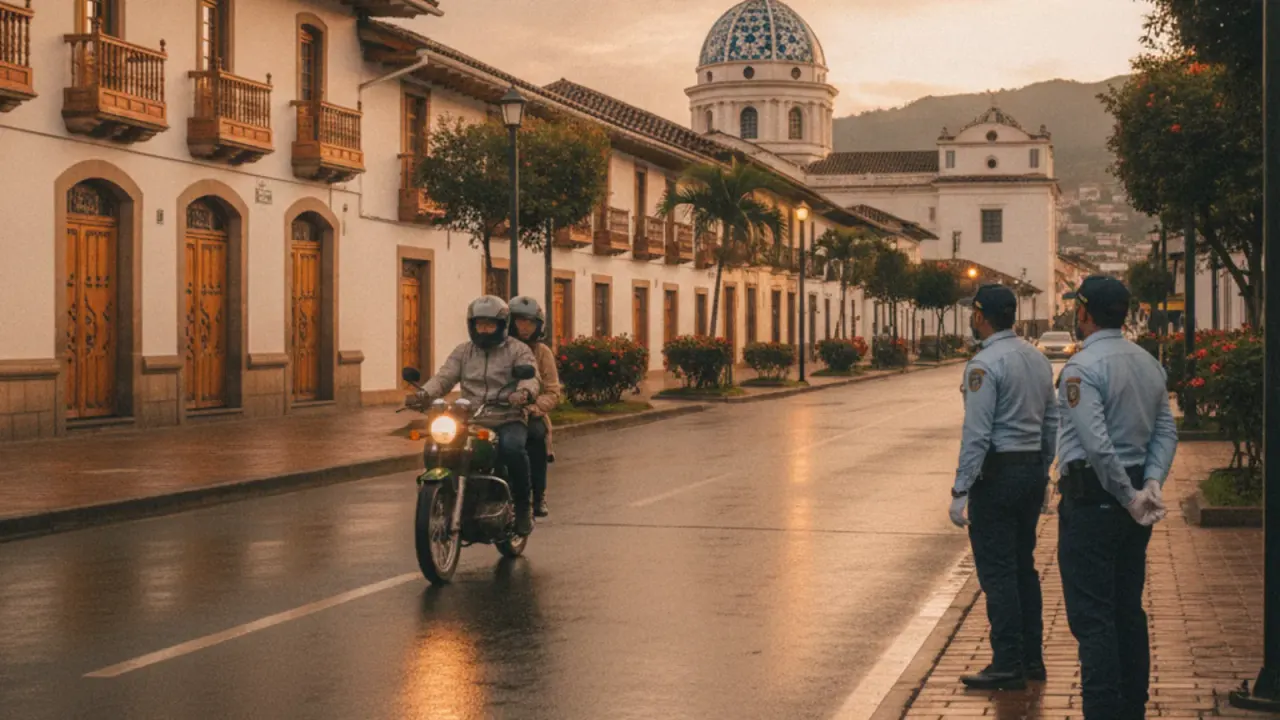
Cuenca’s proposed rules for carrying a second person on a motorcycle are moving toward another review at the Cantonal Council. The Security Commission reviewed the draft and incorporated changes before it moves to a second debate.
What the proposal is trying to do
Councilwoman Jenny Bermeo said the proposal is intended to strengthen controls and help prevent crime. The draft was developed through workshops with council members, state institutions, and the Azuay government. Those workshops added information and statistics to the text.
That wording matters. The proposal is being framed as a legal tool for coordinated operations, not as a standalone answer to crime. The experience discussed from Quito is also a caution: a similar measure there did not produce the expected reduction in assaults committed with motorcycles.
Bermeo’s explanation was direct: an ordinance will not lower crime indexes by itself. Its role would be to make joint operations easier for the Policía Nacional, civil traffic agents, and the Guardia Ciudadana.
Exceptions are still part of the debate
One change under discussion is the removal of exceptions for motorcycle clubs and high-end motorcycles. The argument is that the value or appearance of a motorcycle should not determine whether a rule applies. A high-end motorcycle, like any other, could still be involved in a crime.
The draft instead discusses exceptions for spouses, children, siblings, women, older adults, and people with disabilities. It also includes children under 12, security personnel, students, and workers with a salvoconducto.
These are proposed categories, not a final operating rule. The text still needs to move through the council process, and the article does not give a date for the next treatment.
The proposed financial penalty
The draft sets fines at 10% to 50% of the unified basic salary, which works out to USD 48.20 to USD 241 in 2026.
For riders, the useful distinction is between a proposal and an enforceable requirement. There is no current effective date in the published information, and the final language could still change. Rural parishes are also supposed to be considered before the text takes effect, because transportation patterns outside the urban center are different.
What Cuenca riders should watch
The document is expected to go to the full Cantonal Council after authorization from acting mayor Marisol Peñaloza. The date for that treatment has not been defined.
Until the council completes that process, riders should not treat the proposed exceptions or fines as a new citywide rule. The next useful signal will be the final text and the council’s treatment date. After any rule enters into force, the practical question will be how police, civil traffic agents, and the Guardia Ciudadana apply it across urban and rural areas.
For now, the proposal is best understood as a developing enforcement framework. It may change how some motorcycle trips are handled, but it has not yet changed the rules of the road.
Keep Cuenca's daily expat briefing independent.
Reader support helps pay for reporting, translation, editing, hosting, and the daily work behind CuencaExpat.
More in Transportation
View all →El Valle Road Rehabilitation Stalled, Causing Traffic Issues in Cuenca
October 19, 2026
Cuenca's New Southern Bus Terminal in Narancay Reaches 50% Completion, Promising Enhanced Services
September 24, 2026
Cuenca Tram Service Temporarily Suspended This Weekend for Essential Maintenance
September 19, 2026