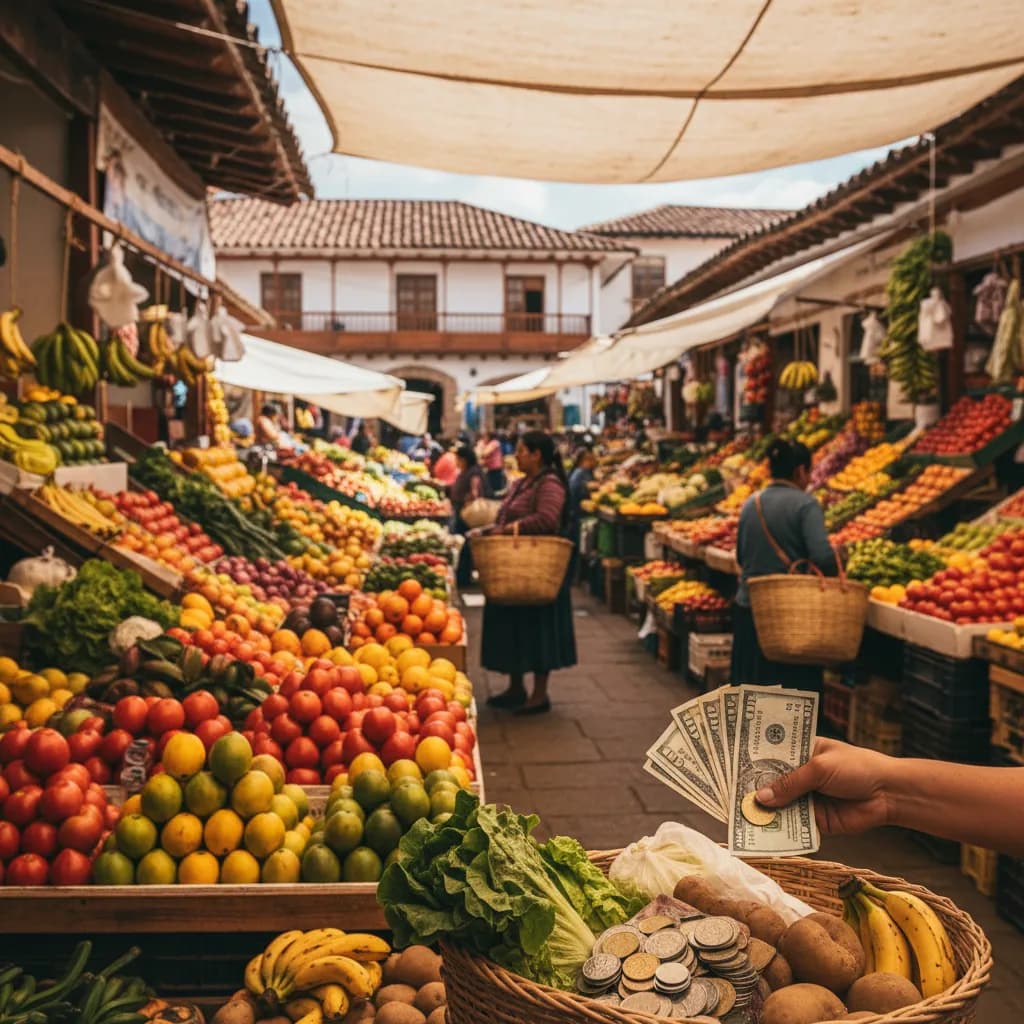
Ecuador and Colombia Hit Each Other with 50% Tariffs — Cuenca Shoppers May Notice

What's Happening
Ecuador and Colombia are in a full-blown trade war, and it could start showing up at your local supermarket.
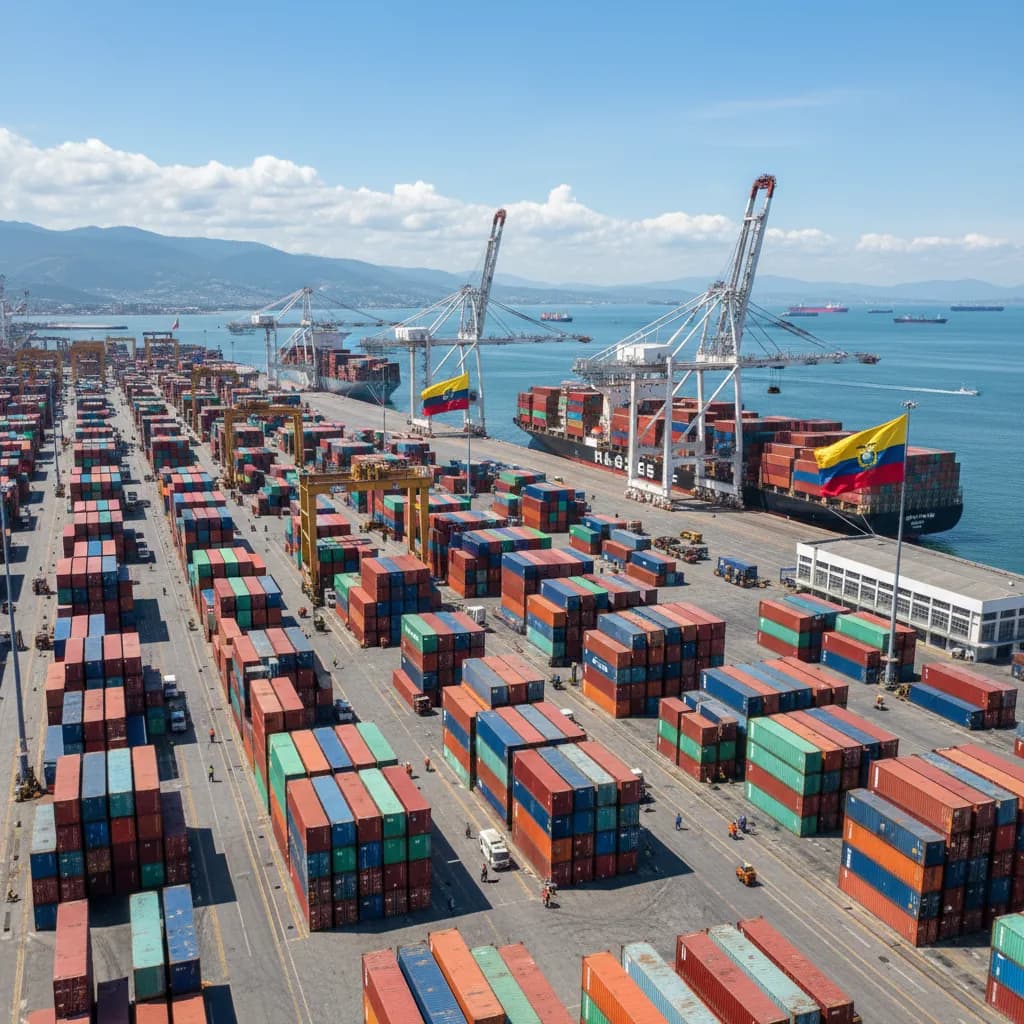
Since March 1, Ecuador has imposed a 50% tariff on Colombian imports — up from an already steep 30%. Colombia immediately retaliated with matching 50% tariffs on hundreds of Ecuadorian products.
How We Got Here
The escalation has been building since late 2025:
- Ecuador initially raised tariffs on Colombian goods to 30% as a "security fee," justified by border security concerns
- On February 26, President Noboa announced the increase to 50%, effective March 1
- Colombia's President Petro retaliated within days with a matching 50% tariff on Ecuadorian exports
- The diplomatic situation worsened further on March 17 when Petro accused Ecuador of bombing near the Colombian border — Ecuador denies this, saying strikes targeted narco groups within Ecuadorian territory
The relationship between Noboa and Petro was already strained — they sit on opposite ends of the political spectrum, and the border region remains a major source of tension.
What Products Are Affected
Colombian imports to Ecuador (now 50% more expensive):
- Rice
- Cocoa products
- Sugar and confectionery
- Beans and legumes
- Processed foods
- Textiles and clothing
- Some industrial inputs
Ecuadorian exports to Colombia (retaliatory tariffs):
- Canned fish (tuna, sardines)
- Processed foods
- Petroleum derivatives
- Various manufactured goods
What This Means in Cuenca
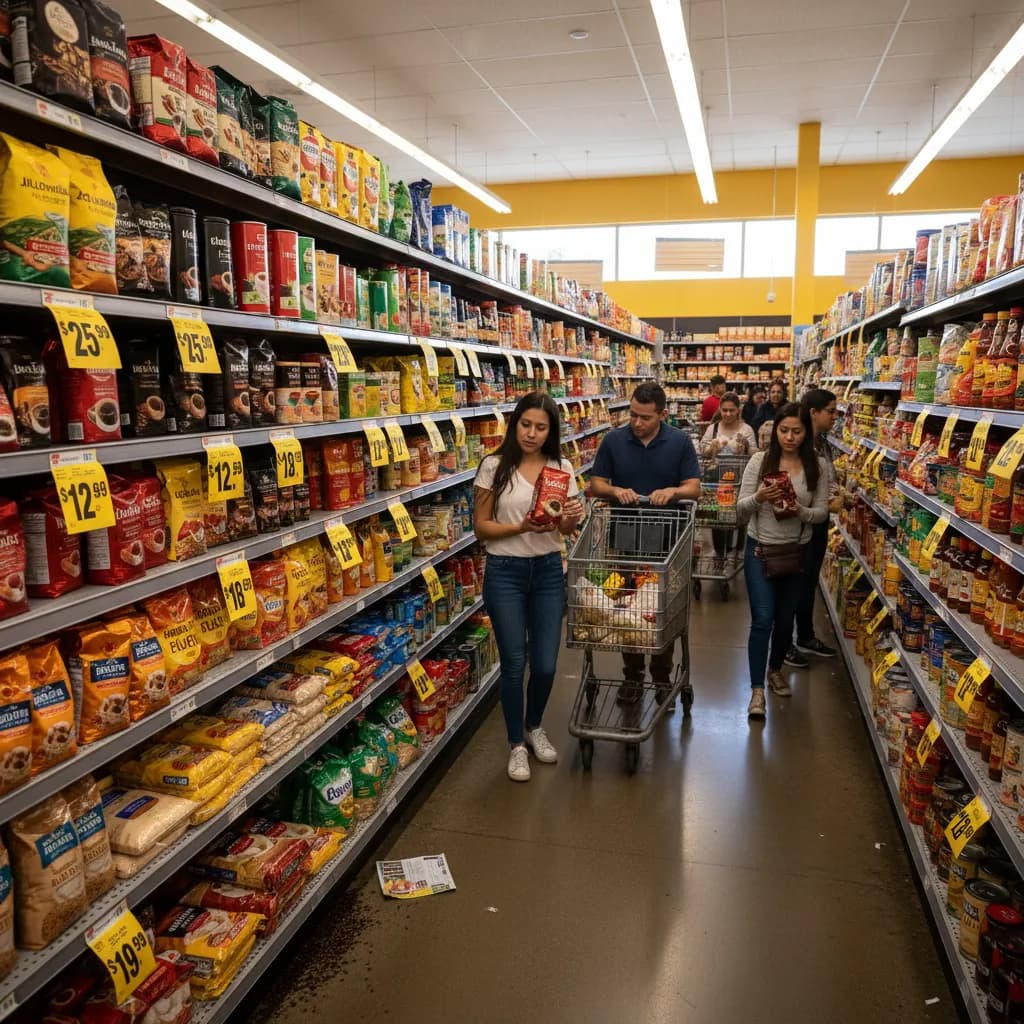
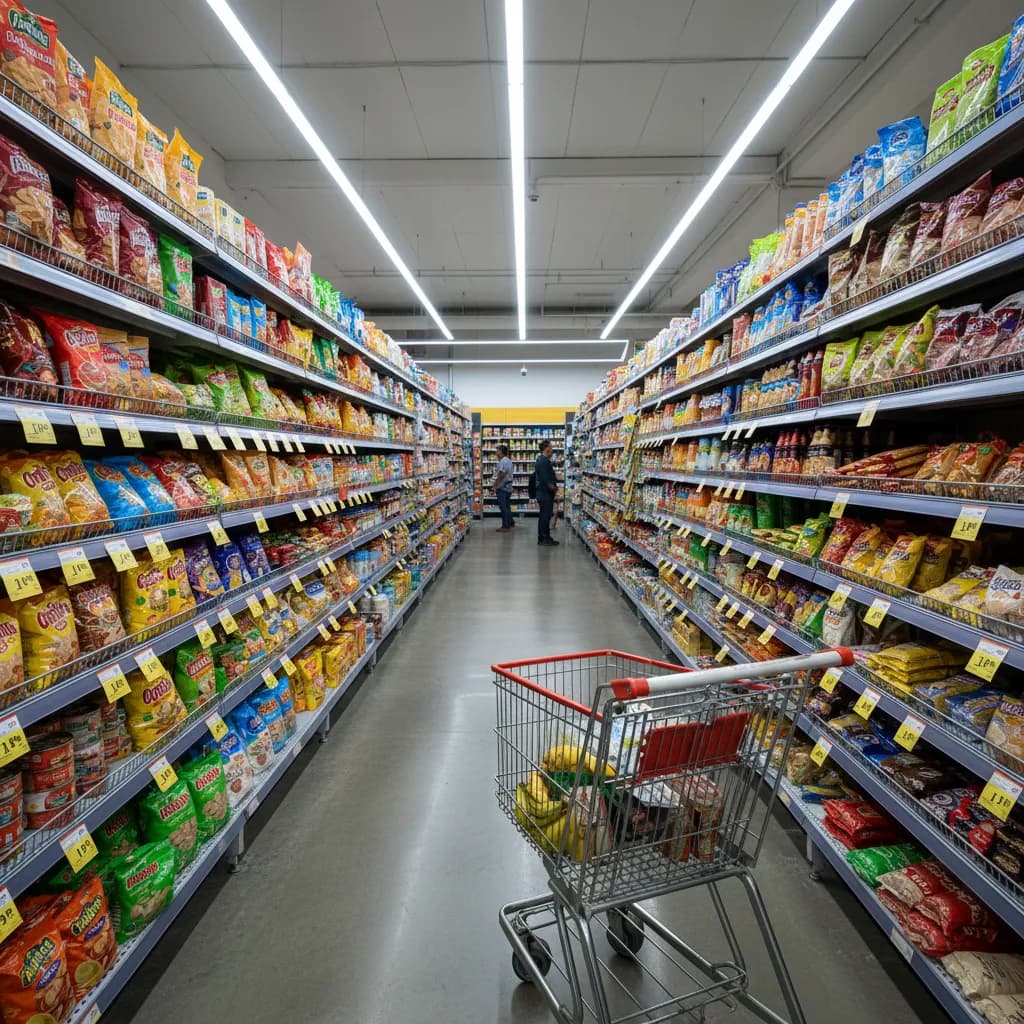
Walk through Supermaxi, Coral, or Gran Aki and you'll find Colombian products on the shelves — from snacks and drinks to rice and packaged goods. Those products are about to get more expensive, and some may disappear entirely if importers decide the margins no longer work.
Specific things to watch for:
- Colombian coffee brands — prices may rise (though Ecuador grows plenty of its own coffee)
- Packaged foods with Colombian origin — check labels
- Colombian rice — Ecuador also produces rice domestically, so the impact may be limited, but price pressure could ripple across the category
- Clothing — some Colombian textile brands sold in Cuenca could see price increases
To be clear: this isn't going to empty shelves or cause a crisis. Ecuador produces most of its own food. But at the margins — certain brands, certain products — you'll likely see higher prices or reduced availability.
The Bigger Picture
This trade war is happening alongside a broader diplomatic crisis that includes border bombing accusations and military tensions. For Cuenca, which is far from the northern border, the trade impacts are more relevant than the security dimension.
The tariffs could be lifted tomorrow if the political situation changes, or they could entrench for years. Nobody knows — but for now, they're the new reality.
What You Can Do
Not much, honestly. But a few practical notes:
- Buy local when possible — Ecuador produces excellent coffee, chocolate, fruits, vegetables, and dairy. The tariffs don't affect domestic products
- Check prices before buying — some stores may raise prices gradually; others may not carry affected products at all
- Don't panic-buy — this isn't a supply crisis, it's a price adjustment on specific import categories
Sources: Al Jazeera, Bloomberg
Keep Cuenca's daily expat briefing independent.
Reader support helps pay for reporting, translation, editing, hosting, and the daily work behind CuencaExpat.
More in News
View all →Gapal Interchange Project Faces Claims Amidst Bidding Process in Cuenca
September 21, 2026
Azuay Prosecutors Request Hearing for Suspended Cuenca Mayor Cristian Zamora Amid Health Travel Announcement
September 21, 2026
Azuay Authorities Coordinate Provincial Simulation to Prepare for El Niño Scenarios
September 19, 2026