Traditional Midwives and Healers Gather at Modern Art Museum

The Gathering
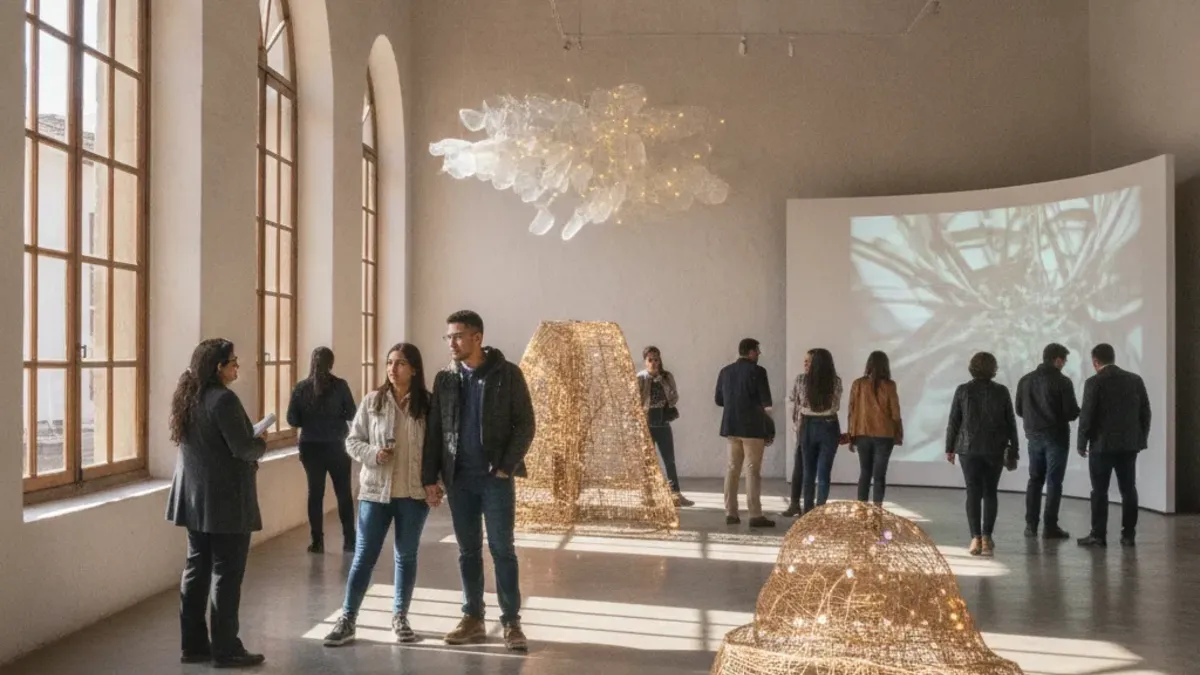
From March 20-22, Cuenca's Museum of Modern Art (Museo Municipal de Arte Moderno) hosted a remarkable event: a national gathering of traditional midwives and healers from across Ecuador.
The Museo de Arte Moderno — that beautiful building on Calle Sucre in the heart of El Centro, with the courtyard and colonial architecture — might seem like an unusual venue for a meeting about ancestral medicine. But it's actually a perfect symbol of what this gathering was about: traditional knowledge claiming space in modern institutional settings.
Who Was There
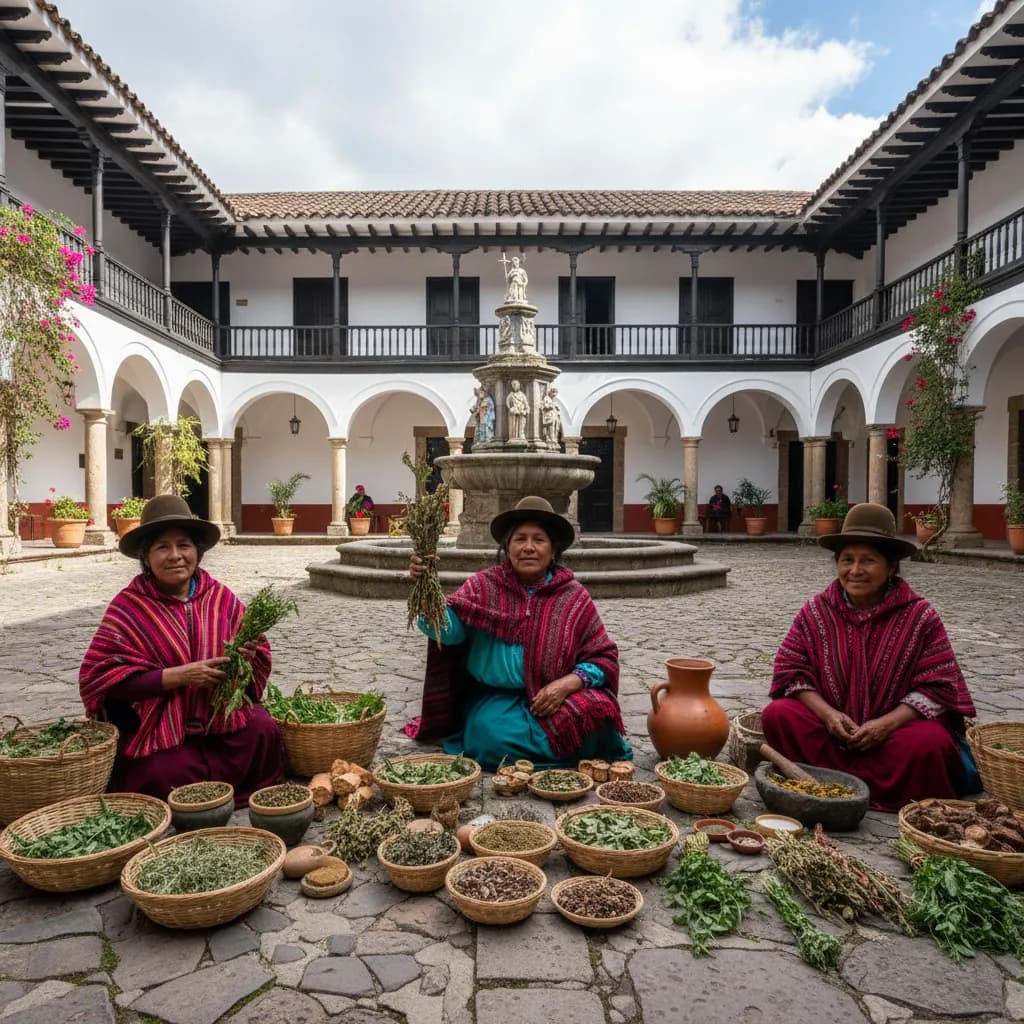
The participants were parteras (midwives) and sanadoras/sanadores (healers) — practitioners of traditional and ancestral medicine from indigenous, Afro-Ecuadorian, and mestizo communities across the country. These are people who:
- Deliver babies using traditional methods, often in rural communities where hospitals are hours away
- Practice herbal medicine (medicina ancestral) using plant-based remedies passed down through generations
- Perform traditional healing rituals — limpias (cleansings), sobadas (therapeutic massage), and other practices rooted in indigenous cosmology
- Serve as community health resources in areas underserved by the formal healthcare system
If you've lived in Cuenca for any time, you've probably encountered some of these practices. The limpias (spiritual cleansings using herbs, eggs, or candles) offered at markets like Mercado 10 de Agosto are a visible, everyday example. But the tradition runs much deeper than what tourists see at the market stalls.
The Policy Document
The most significant outcome of the gathering is that participants are drafting a document intended to influence public policy regarding ancestral knowledge and traditional medicine in Ecuador.
This matters because traditional medicine occupies an awkward legal space in Ecuador. The 2008 Constitution actually recognizes ancestral and traditional medicine as part of Ecuador's healthcare framework (Article 360). But in practice, traditional practitioners often operate in a gray area — technically recognized but lacking formal integration, licensing, or support.
The document being developed addresses:
- Legal recognition and protection of traditional healers and midwives
- Integration of ancestral medicine with the national health system without losing its traditional character
- Protection of traditional knowledge from exploitation or appropriation
- Training and intergenerational transmission — ensuring younger generations learn these practices
- Access to resources so traditional practitioners can serve their communities effectively
Why Expats Should Find This Interesting
Even if you're not personally interested in traditional medicine, this gathering touches on themes that affect the Cuenca you live in:
- Cultural heritage — ancestral healing traditions are part of what makes the Azuay highlands culturally rich. Their survival enriches the community for everyone
- Healthcare access — in rural parishes where many expats live or visit, traditional healers may be the most accessible healthcare option. Their recognition and support matters for community health
- The limpia experience — if you're curious, getting a limpia at the market is a $2-5 experience that many expats try. It's a legitimate cultural practice, not a tourist trap
- Herbal medicine — Cuenca's markets sell an incredible variety of medicinal herbs. Many Cuencano families use herbal remedies alongside modern medicine. The farmacias naturistas (natural pharmacies) around town are well-stocked and knowledgeable
The Venue Choice
Holding this gathering at the Museo de Arte Moderno was deliberate. The museum, operated by the Municipality of Cuenca, regularly hosts events that go beyond visual art — lectures, community forums, cultural celebrations. It's one of the city's most important public cultural spaces.
Using it for a gathering of traditional healers sends a message: this knowledge is valued, it belongs in prestigious spaces, and it deserves institutional attention. For a practice that has been marginalized and dismissed for centuries, that symbolism matters.
The document coming out of this meeting will be presented to national health authorities. Whether it translates into meaningful policy change remains to be seen, but the fact that these practitioners are organizing, documenting, and advocating is significant in itself.
Source: El Mercurio
Keep Cuenca's daily expat briefing independent.
Reader support helps pay for reporting, translation, editing, hosting, and the daily work behind CuencaExpat.