Cuenca Faces Long-Term Water Challenge — Could Hit Deficit by 2050

The Warning
On World Water Day (March 22), experts in Cuenca raised an alarm that might surprise you in a city known for its rivers and rain: Cuenca could face a water supply deficit by 2050.
That's not a typo. The city that sits at the confluence of four rivers, gets regular rainfall, and has some of the cleanest tap water in South America could actually run short of water within 25 years if current trends continue without intervention.
Wait — Cuenca Has a Water Problem?
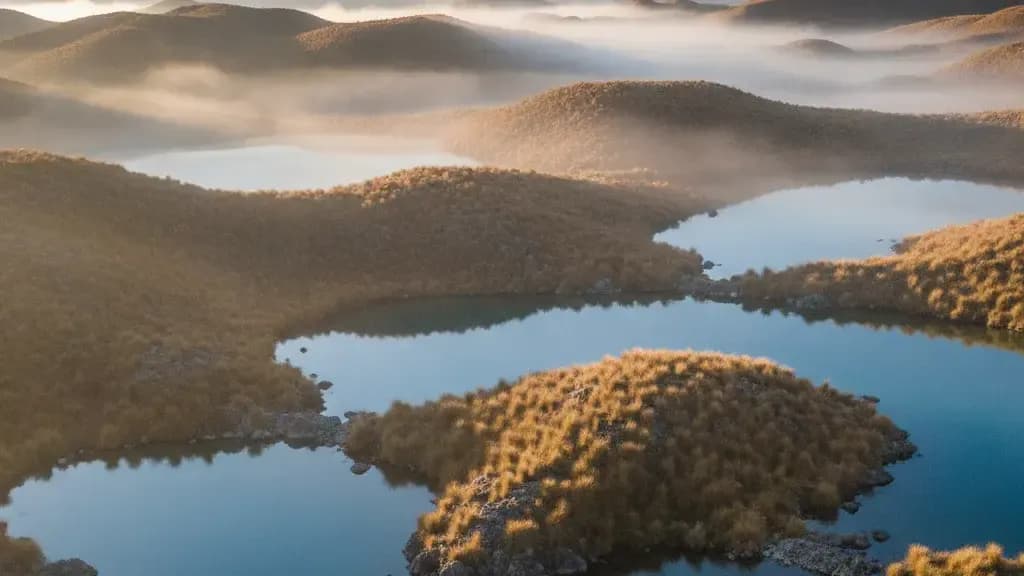
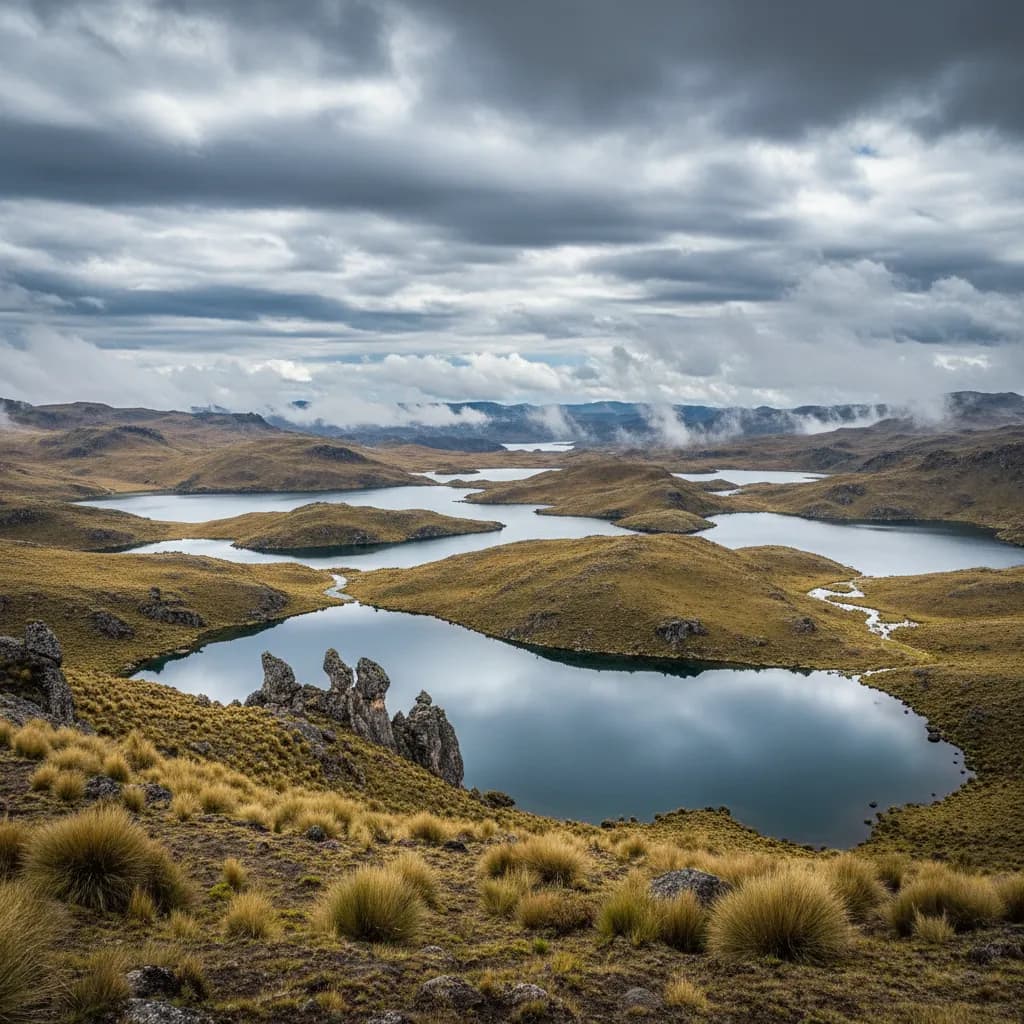
Sort of. Right now, Cuenca's water supply is excellent. ETAPA (the public utility company) delivers reliable, potable water that you can drink straight from the tap — a rarity in Ecuador and much of Latin America. The system draws from protected watersheds in Cajas National Park and the surrounding highlands, where páramo ecosystems act as natural sponges that store and slowly release water.
The problem isn't today — it's tomorrow. Several converging trends are putting pressure on the system:
- Population growth — Cuenca's population has grown significantly and continues to grow, meaning more demand on the same water sources
- Climate change — rainfall patterns in the Andes are shifting. Some models predict drier conditions in the highlands that feed Cuenca's watersheds
- Páramo degradation — the high-altitude grasslands that store water are threatened by agricultural expansion, burning, and climate shifts. If the páramo degrades, its water-storage capacity drops
- Urban expansion — as the city grows outward into rural parishes, infrastructure has to extend further, and more impervious surfaces (roads, buildings) reduce natural water absorption
The Reservoir Debate
The core of the expert discussion is whether Cuenca needs to build reservoirs or dams to store water for the future. Currently, the city relies primarily on run-of-river water capture — taking water from rivers and streams as it flows naturally. There's limited large-scale storage.
The argument for reservoirs:
- Buffer against drought — stored water can carry the city through dry periods that might become longer and more frequent
- Demand management — a growing city needs reserve capacity, not just enough-for-today supply
- Climate resilience — if rainfall becomes less predictable, storage provides a safety net
The argument against (or at least for caution):
- Environmental impact — dams alter river ecosystems, flood valleys, and can displace communities
- Cost — major reservoir construction is a massive investment for a mid-size Ecuadorian city
- Maintenance — dams require ongoing management, sediment removal, and structural monitoring
- Alternatives exist — protecting páramo, reducing water waste, and improving distribution efficiency might be more cost-effective
What Expats Should Understand
If you've chosen Cuenca as your long-term home, the city's water future matters to you directly:
- Your property value is partly tied to Cuenca's livability, and reliable water is foundational to that
- Water rates could increase as ETAPA invests in future supply security. Currently, water in Cuenca is very affordable by international standards — a typical household pays $8-15/month. That may not stay that low forever
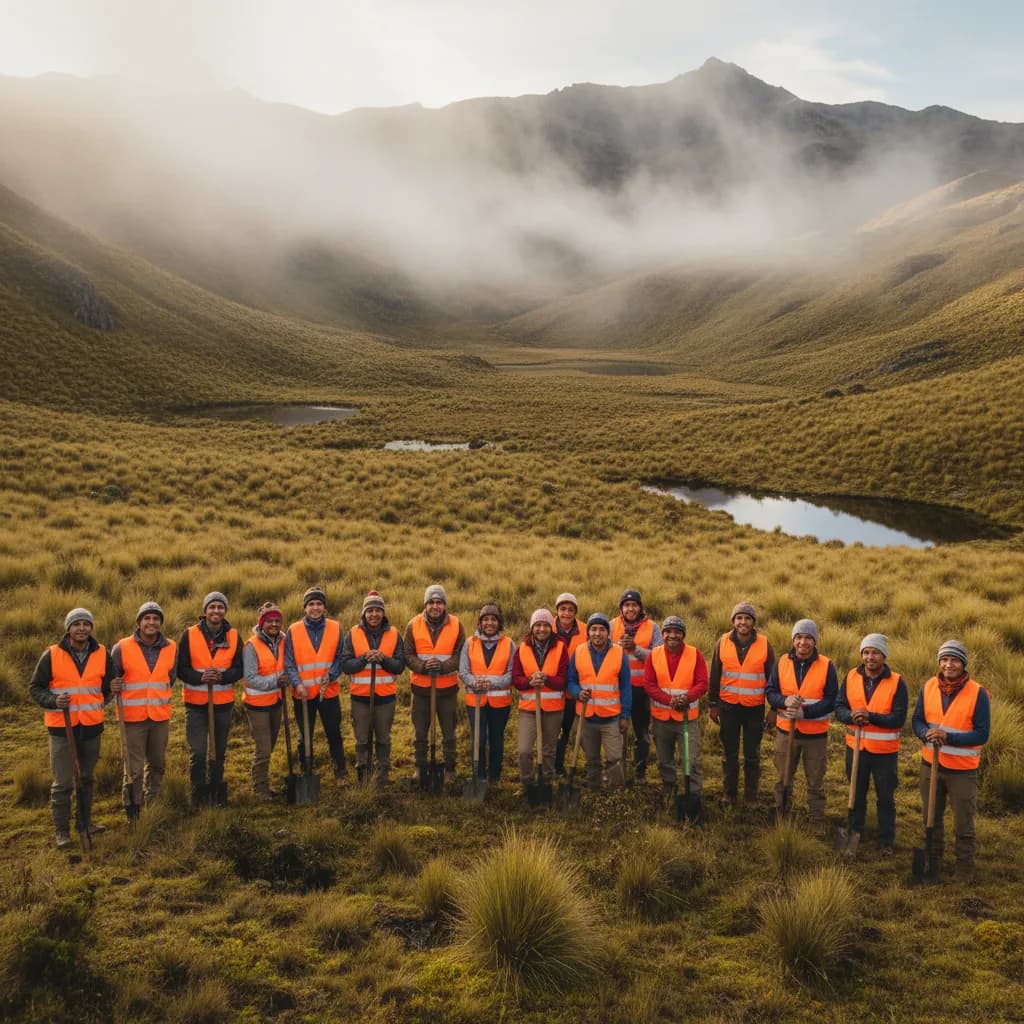
- Cajas National Park isn't just a pretty day trip — it's literally where your drinking water comes from. Supporting conservation of the páramo ecosystem is an investment in your own water supply
- The 2050 timeline feels far away, but infrastructure decisions being made now (or not made) will determine whether Cuenca has water challenges in your lifetime
The Bright Side
Cuenca is ahead of most cities in Ecuador in even having this conversation. Many municipalities don't plan past the current budget cycle. The fact that experts are publicly discussing 2050 water scenarios, and that the media is covering it, suggests the city takes long-term planning seriously.
ETAPA has also been investing in watershed protection through its payment-for-ecosystem-services programs, which compensate landowners in the highlands for keeping their páramo intact rather than converting it to agriculture. These programs are nationally recognized models.
The question is whether conservation alone will be enough, or whether bigger infrastructure investments — reservoirs, expanded treatment capacity, new source development — will also be needed. That debate is just getting started.
Source: El Mercurio
Keep Cuenca's daily expat briefing independent.
Reader support helps pay for reporting, translation, editing, hosting, and the daily work behind CuencaExpat.
More in News
View all →Gapal Interchange Project Faces Claims Amidst Bidding Process in Cuenca
September 21, 2026
Azuay Prosecutors Request Hearing for Suspended Cuenca Mayor Cristian Zamora Amid Health Travel Announcement
September 21, 2026
Azuay Authorities Coordinate Provincial Simulation to Prepare for El Niño Scenarios
September 19, 2026