Three Artisans, Three Approaches: How Cuenca's Poncho Tradition Is Staying Alive

You've seen the ponchos at the markets. Maybe you've bought one. But have you ever watched one being made?
A new feature in El Mercurio profiles three artisans in and around Cuenca who are keeping the poncho tradition alive — each in a very different way. Together, they tell the story of a craft that's under pressure from cheap imports but refusing to disappear.
Leonardo de la Torre — The Traditionalist
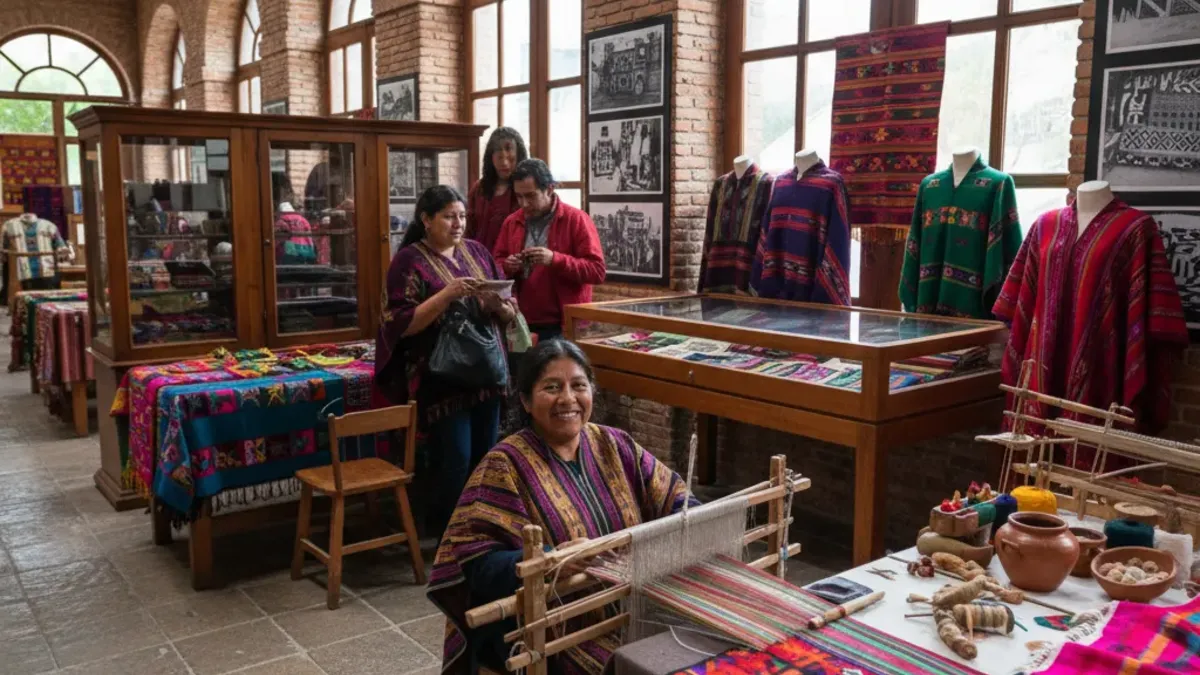
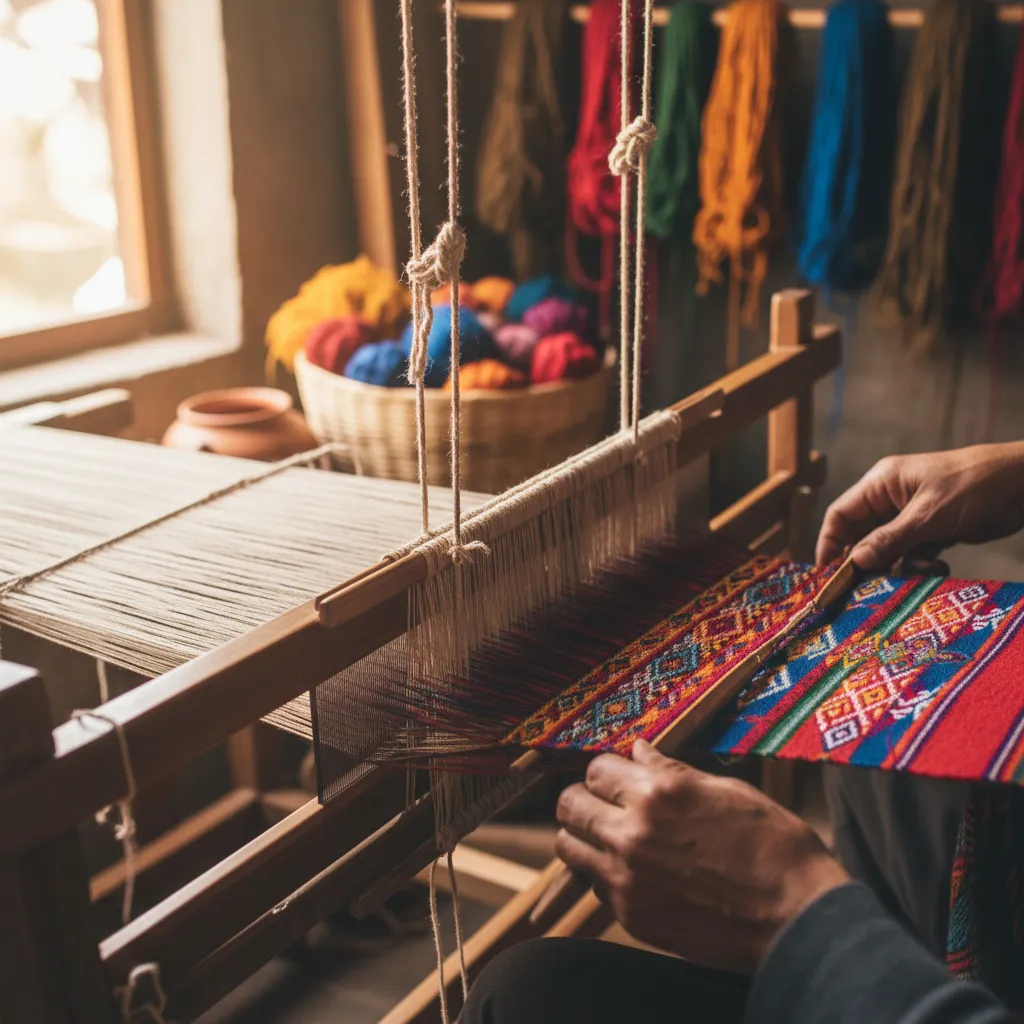
Leonardo runs Yarik Artesanías out of a workshop in Sinincay, with a retail shop downtown. Originally from Ilumán in Otavalo province, he works a traditional Andean loom — the same kind his family has used for generations.
Each poncho requires threading roughly 1,100 individual strands during the warping process alone. The full production cycle can take up to 40 hours.
But the market has shifted. As Leonardo puts it: "Artisanal work was highly valued 10 years ago, but this has diminished." Competition from machine-made imports has pushed handmade prices down even as production costs stay the same.
His ponchos start at $25, depending on the materials and complexity.
Silvia Zeas — The Designer
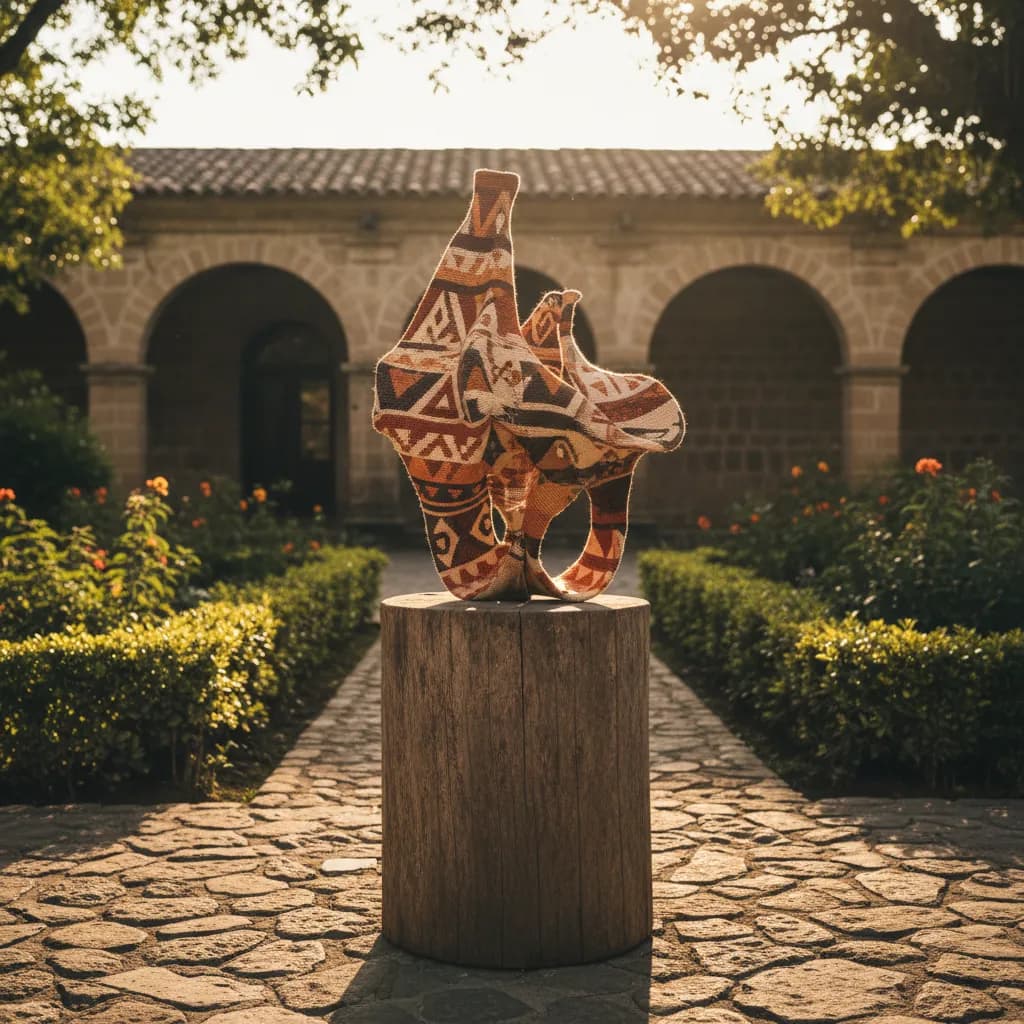
Silvia works from the Cristo del Consuelo area in San Joaquín, where she applies an academic design lens to traditional techniques. Her materials include cotton, alpaca, merino wool, and synthetic blends — chosen for durability and wearability, not just tradition.
Her pieces run over $300 and target a different market entirely: buyers who see the poncho as contemporary fashion, not souvenir.
"As designers we can strengthen cultural elements and textile techniques that don't exist elsewhere," she told El Mercurio. Her argument is that innovation doesn't dilute tradition — it keeps it relevant.
Carmen Cuji — The Teacher
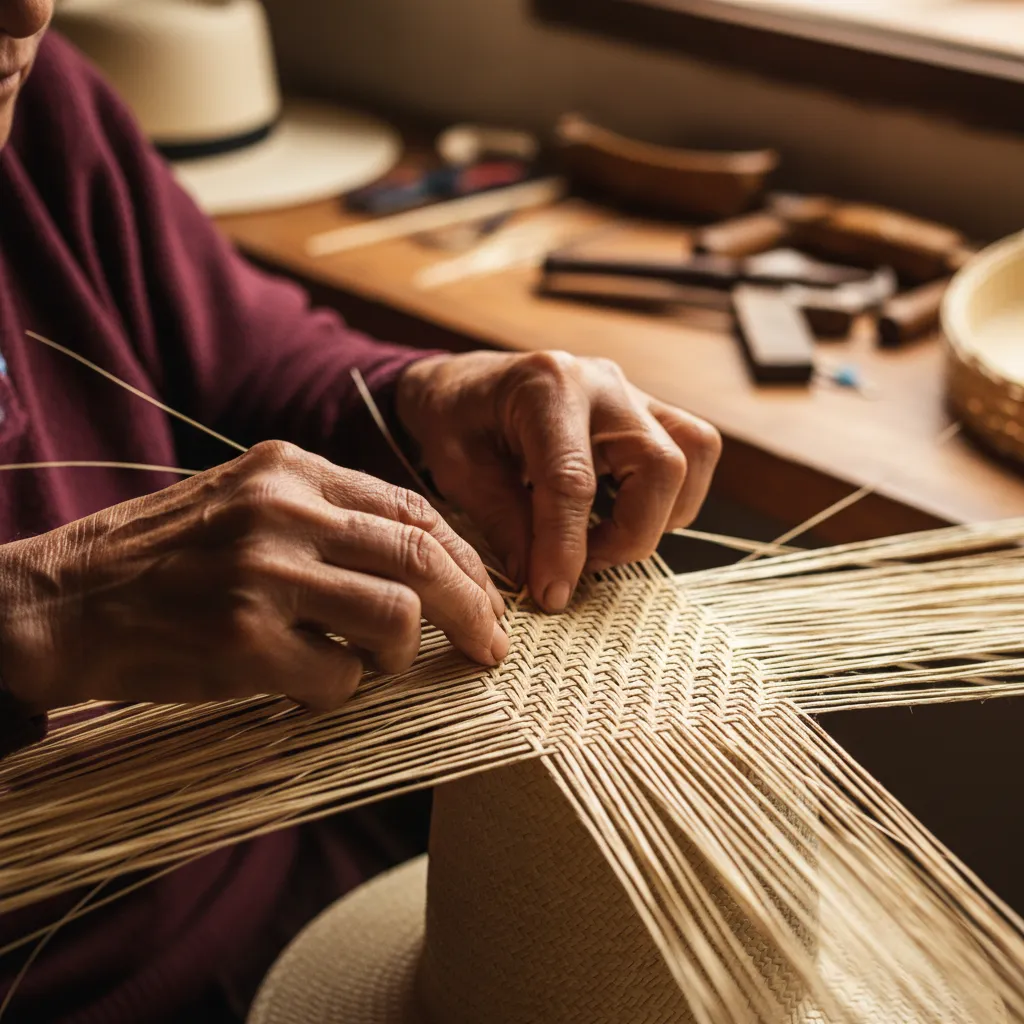
Carmen came to Cuenca from Chimborazo and works out of CEMUART (the municipal artisan center downtown). She learned hand embroidery from her mother, Tránsito Gómez, and has since trained approximately 100 students in the craft.
Her embroidered ponchos start at $40, and each one takes 8 to 24 hours of handwork. The embroidery is the part that can't be faked — it's what separates a market-stall poncho from a piece of wearable art.
The Bigger Picture
The article also highlights the macana from Gualaceo — ponchos and shawls made using the Ikat dyeing technique by the Jiménez family. It's one of the most recognized textile traditions in Ecuador and a point of regional pride.
What all three artisans share is a tension between preservation and survival. The craft is gorgeous, the skills are deep, and the economics are brutal. Every poncho you buy from a workshop like these is a vote for the tradition continuing.
Where to Find Them
- Yarik Artesanías — downtown Cuenca (Benigno Malo near La Mar)
- CEMUART — downtown (General Torres near Presidente Córdova)
- Silvia Zeas — San Joaquín area (contact through local design networks)
If you're looking for a meaningful Cuenca souvenir or gift, skip the tourist shops. Go to the source.
Source: El Mercurio
Keep Cuenca's daily expat briefing independent.
Reader support helps pay for reporting, translation, editing, hosting, and the daily work behind CuencaExpat.