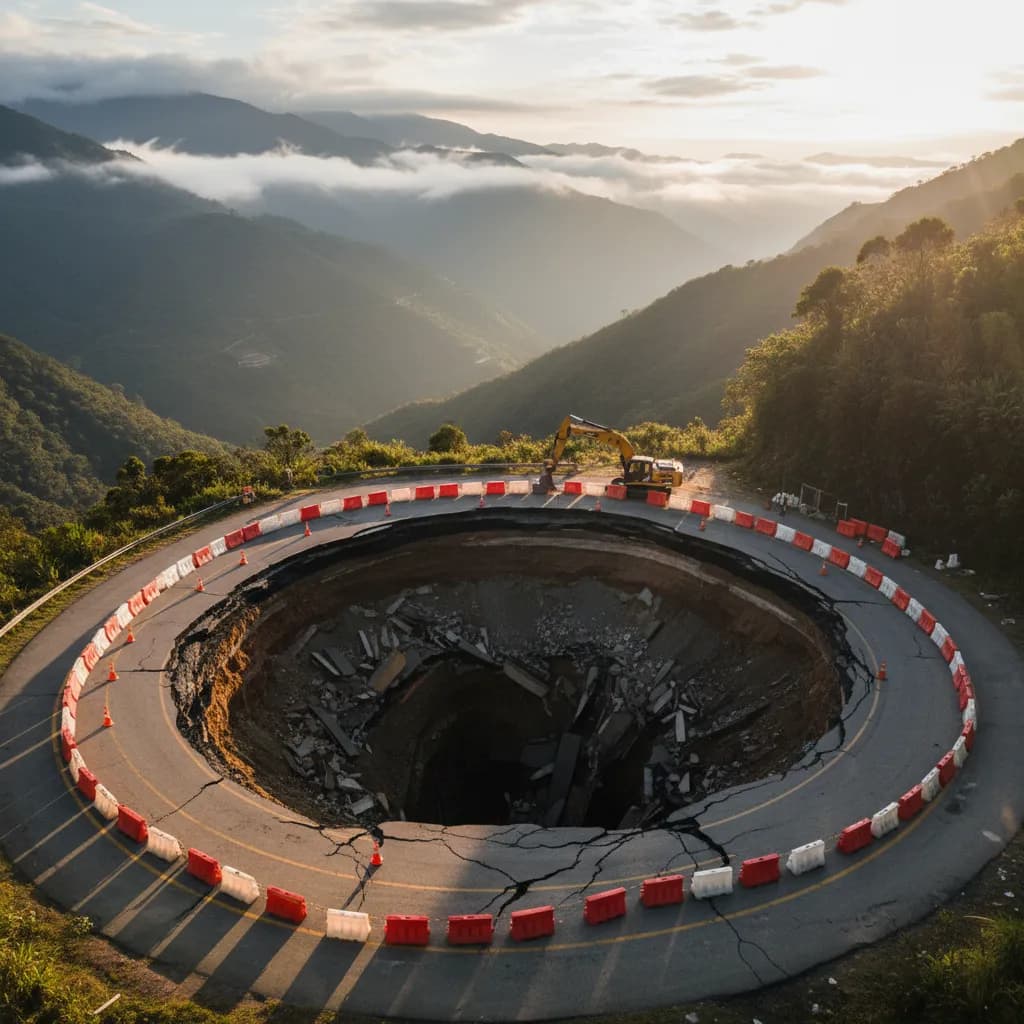
$21.8 Million Cuenca-Molleturo Highway Rehab Finally Begins


The Road to the Coast Is Getting Fixed
If you've ever driven the Cuenca-Molleturo route to the coast, you know the experience: stunning views through Cajas National Park, followed by increasingly deteriorated pavement, sketchy landslide zones, and the growing suspicion that your car's suspension won't survive the trip.
That's about to change — at least, that's the promise. On March 19, President Daniel Noboa signed a $21.8 million contract for the full rehabilitation of the Cuenca-Molleturo-El Empalme highway, according to the Ministry of Transport and Public Works (MTOP).
What the Project Covers
The scope is significant:
- 113 kilometers of highway rehabilitation
- 10 bridge repairs along the route
- 5 critical slope stabilizations at landslide-prone points
- Pavement reconstruction and drainage improvements throughout
- 18-month timeline for completion
- An estimated 300 jobs created during construction
The highway passes through Cajas National Park at elevations above 4,000 meters before descending through cloud forest to the coastal lowlands. It's one of the most scenic drives in Ecuador — and one of the most punishing on vehicles due to years of deferred maintenance.
Why This Matters for Cuenca Expats
The Cuenca-Molleturo-El Empalme highway is the fastest route from Cuenca to Guayaquil and the coast. It's the road you take to get to:
- Guayaquil — Ecuador's largest city, about 3.5 hours away (when the road is decent)
- The international airport in Guayaquil, which many expats use for US-bound flights
- Coastal beach towns like Salinas, Montañita, and Puerto Lopez
- Cajas National Park itself — one of Cuenca's premier outdoor destinations
A properly maintained highway means faster, safer trips to the coast. It also means fewer flat tires, broken axles, and that terrible scraping sound your car makes when you hit an unexpected pothole at altitude.
The Catch: 18 Months of Construction
While the end result should be a dramatically improved road, the 18-month construction period will likely mean lane closures, delays, and detours along portions of the route. If you're a regular Cuenca-to-coast driver, expect some inconvenience before things get better.
A few things to keep in mind:
- Construction zones at altitude (in and around Cajas) will be particularly tricky during the rainy season. Fog, rain, and construction don't mix well
- Alternate route planning may be necessary during major closures. The Cuenca-Giron-Pasaje route to the south is the main alternative, though it has its own issues right now
- Weekend traffic through Cajas is already heavy — add construction delays and it could get congested. Consider traveling on weekdays if you have the flexibility
- The 5 slope stabilization projects are arguably the most important part of the contract. These landslide-prone areas have been the road's biggest safety hazard for years
A Long Time Coming
This highway has been in various states of disrepair for years, and multiple previous administrations have promised fixes that never fully materialized. The fact that a signed contract now exists — with specific scope, budget, and timeline — is a meaningful step forward.
The project is expected to be completed by late 2027, which means the full benefit won't be felt for a while. But if the contract is executed as described, Cuenca's most important highway link to the coast should finally match the scenery it passes through.
Source: Ministry of Transport and Public Works (MTOP)
Keep Cuenca's daily expat briefing independent.
Reader support helps pay for reporting, translation, editing, hosting, and the daily work behind CuencaExpat.
More in News
View all →Cuenca Residents Face Rising Market Prices, Azuay Governor Warns Against Speculation
October 15, 2026
Gapal Interchange Project Faces Claims Amidst Bidding Process in Cuenca
September 21, 2026
Azuay Prosecutors Request Hearing for Suspended Cuenca Mayor Cristian Zamora Amid Health Travel Announcement
September 21, 2026