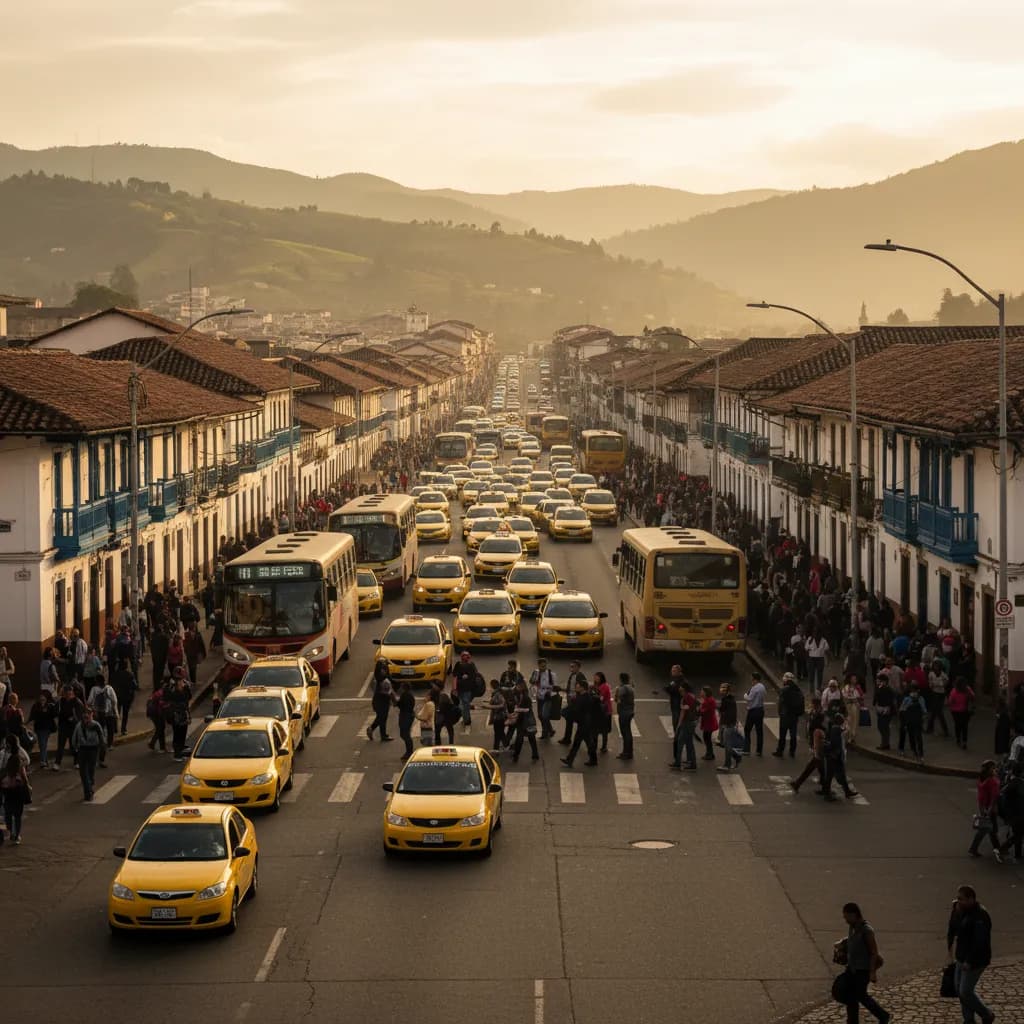
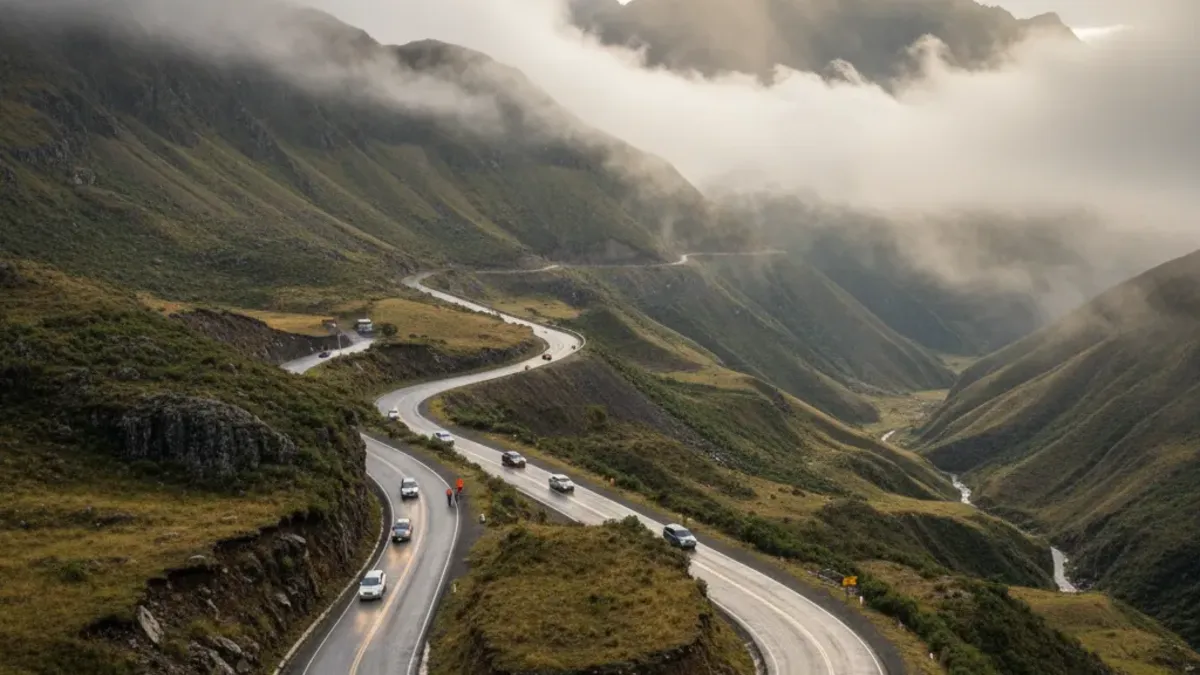
Cuenca Could Create a Road Safety Unit With 30 km/h Zones Near Schools and Clinics

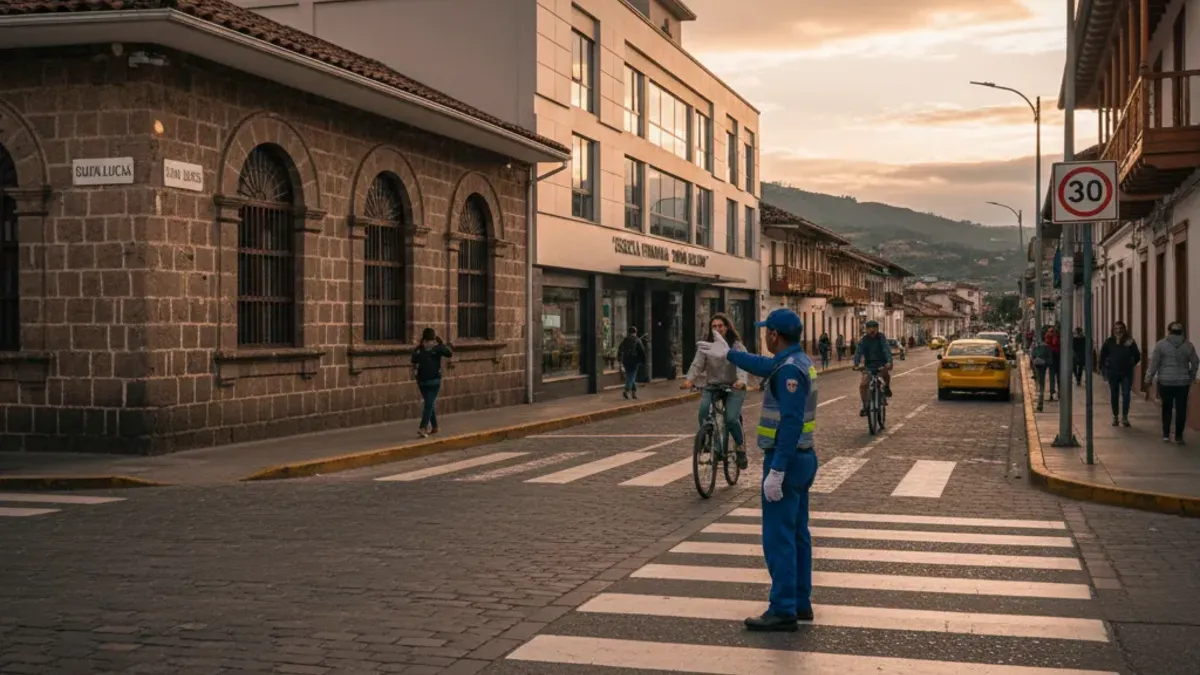
Cuenca may put road safety into its own municipal ordinance, with a new technical unit and slower zones around the places where people are most exposed.
El Mercurio reports that councilman Ivan Abril has proposed an ordinance to create a Unidad de Seguridad Vial for Cuenca. The initiative, prepared with technical input from Fundacion Movidana, has been sent to the municipal legal office for a report before its first debate.
What The Ordinance Would Do
The proposal would make road safety a public policy and connect the work with existing municipal departments.
El Mercurio reports that the plan includes five-year planning, goals, indicators and periodic evaluations. It also requires a road-safety plan for the canton, including schedules, budget and follow-up mechanisms.
The actions listed include controls for:
- Speeding
- Alcohol and other substance use
- Cellphone use while driving
- Seat belts
- Child restraint systems
Slower Zones Near Vulnerable Places
One practical piece is traffic calming. Abril told El Mercurio that the speed-management plan is meant to act in places such as hospitals, clinics, health centers and schools.
The proposal includes reduced-circulation zones, preferably up to 30 kilometers per hour, reinforced signage, technical infrastructure audits and urban changes to reduce risk.
It also includes post-crash support for victims and families, with emergency response plus psychological, social and legal support.
Why This Matters
El Mercurio reports that Azuay registered 806 traffic crashes in 2025, with 68 deaths, according to INEC figures. In Cuenca, the report lists 388 injured people and 34 deaths from traffic crashes.
If the ordinance is approved, the Municipality would have 180 days to issue technical regulations for implementation.
For expats, the everyday impact would be in the details: slower streets near schools and clinics, more enforcement around risky driving habits, and clearer municipal responsibility for tracking whether road safety is actually improving.
Source: El Mercurio
Keep Cuenca's daily expat briefing independent.
Reader support helps pay for reporting, translation, editing, hosting, and the daily work behind CuencaExpat.
More in News
View all →Cuenca Residents Face Rising Market Prices, Azuay Governor Warns Against Speculation
October 15, 2026
Gapal Interchange Project Faces Claims Amidst Bidding Process in Cuenca
September 21, 2026
Azuay Prosecutors Request Hearing for Suspended Cuenca Mayor Cristian Zamora Amid Health Travel Announcement
September 21, 2026