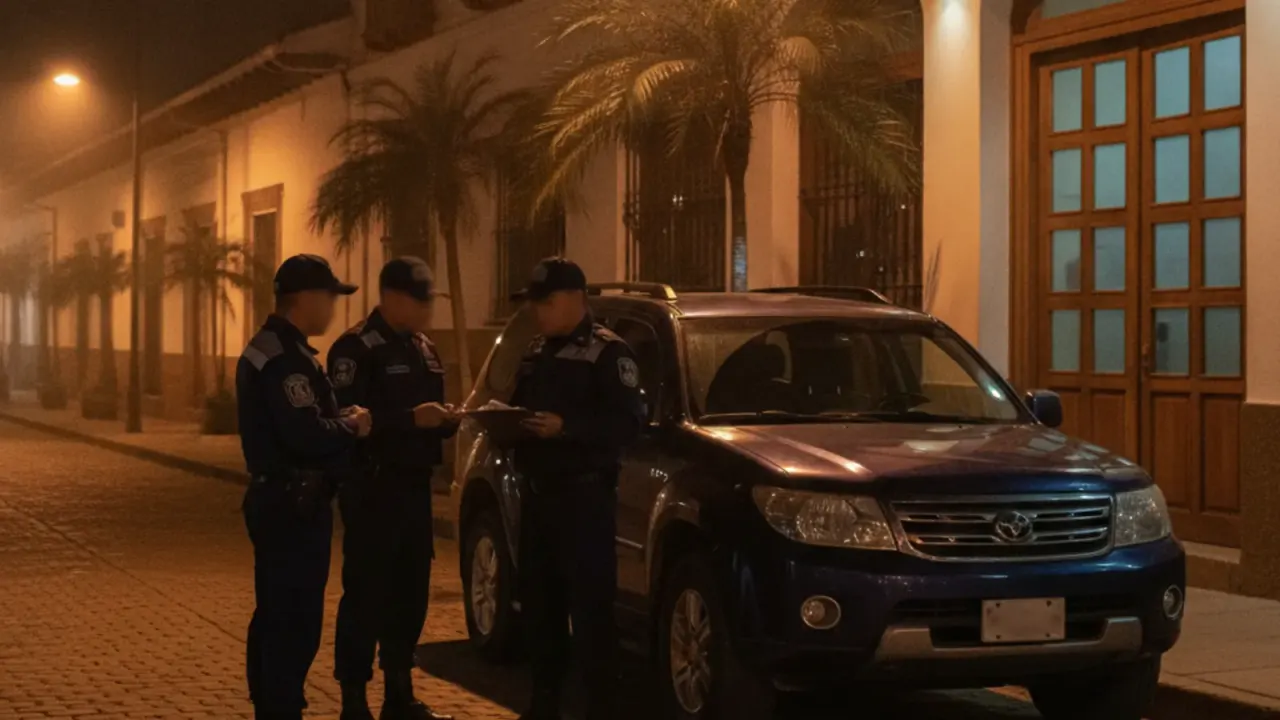
Cuenca Neighborhood Groups Say Security Concerns Are Rising

Source: El Mercurio
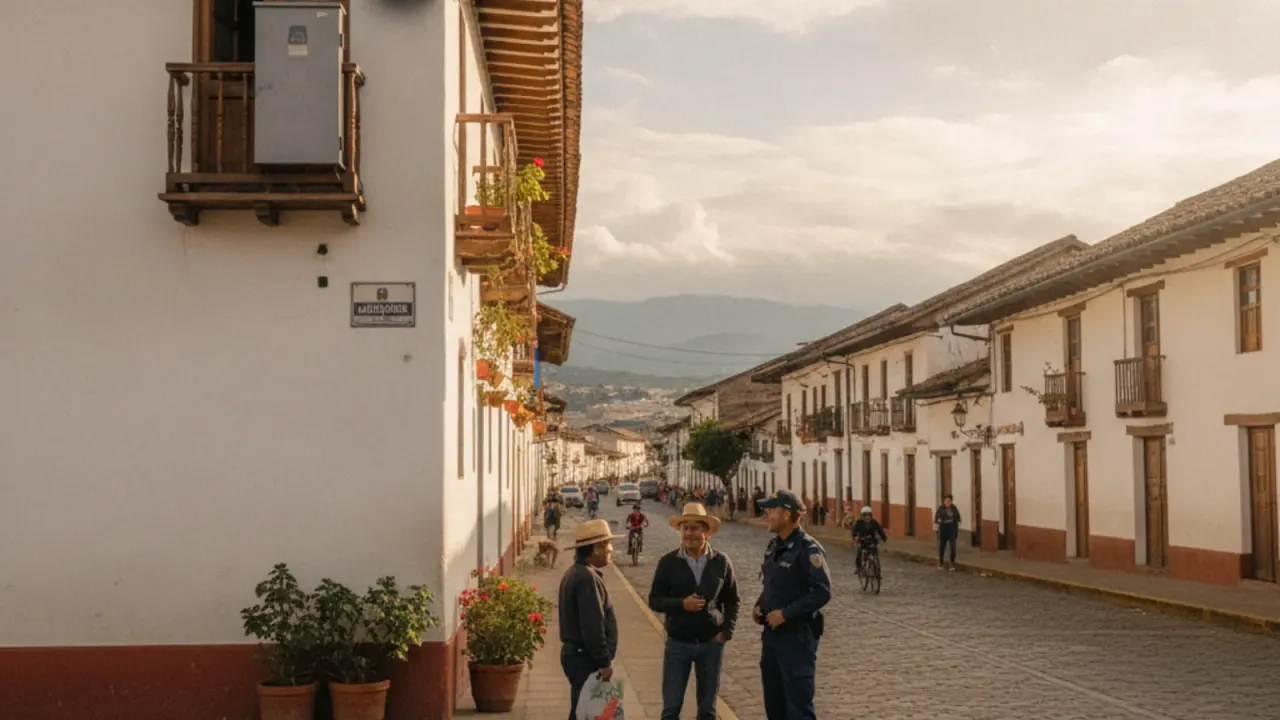
Security concerns are becoming more visible in Cuenca neighborhood meetings, according to Roberto Mosquera, president of the Federation of Cuenca Neighborhoods.
Mosquera says neighborhood leaders have reported robberies and other security problems in different parts of the city. He also questioned the operation of some community alarm systems and said the situation has been communicated to the Citizen Security Council.
What residents are reporting
Neighborhood leaders have asked for more police presence and the reopening of Community Police Units, known locally as UPC units, that remain closed.
Mosquera specifically mentioned reports of robberies in Totoracocha, along with concern about prostitution in that sector. He said the Federation of Neighborhoods has raised its concerns in meetings with Governor Xavier Bermúdez and Mayor Marisol Peñaloza.
The source says some operations have taken place, but Mosquera characterized them as temporary. His point was that residents may see an operation for a short period without seeing a lasting change in the underlying conditions.
The alarm problem
Community alarms are supposed to give neighborhoods an immediate way to signal trouble. The concern described in this report is that some of those systems are not functioning.
That creates a very practical issue. A neighborhood can believe it has an alert system, while the hardware or connection is not actually ready when residents need it. For anyone living in Cuenca, it is worth knowing whether the alarm system in your own area has been tested recently and who is responsible for maintaining it.
This is not a recommendation to treat every neighborhood as unsafe. It is a reminder to ask concrete questions rather than relying on the existence of a sign, a siren, or an old neighborhood WhatsApp group.
What the perception data says
The report cites the Cuenca Cómo Vamos 2025 Perception Survey. It says one in four respondents felt unsafe or very unsafe in their own neighborhood.
The perception becomes worse in parks, plazas, and streets. The report says only 16.8% of respondents felt very safe in those spaces, while more than 41.2% considered themselves unsafe or very unsafe.
Those figures describe perception, not a new police count of every crime in Cuenca. That distinction matters. Perception can change because of direct experience, neighborhood messaging, visible disorder, or a lack of confidence that help will arrive.
The practical takeaway
For expats, the useful response is local and specific:
- Ask whether your community alarm is working.
- Know which UPC or police contact serves your area.
- Treat neighborhood reports as information to verify, not as proof that every part of the city is changing at the same rate.
- Pay extra attention in parks, plazas, and streets where the survey found weaker feelings of safety.
Mosquera’s core argument was direct: more police personnel are needed because residents sometimes arrive at UPC units and find no personnel there. Whether that changes will depend on follow-through by the relevant security authorities.
Source: El Mercurio
Keep Cuenca's daily expat briefing independent.
Reader support helps pay for reporting, translation, editing, hosting, and the daily work behind CuencaExpat.