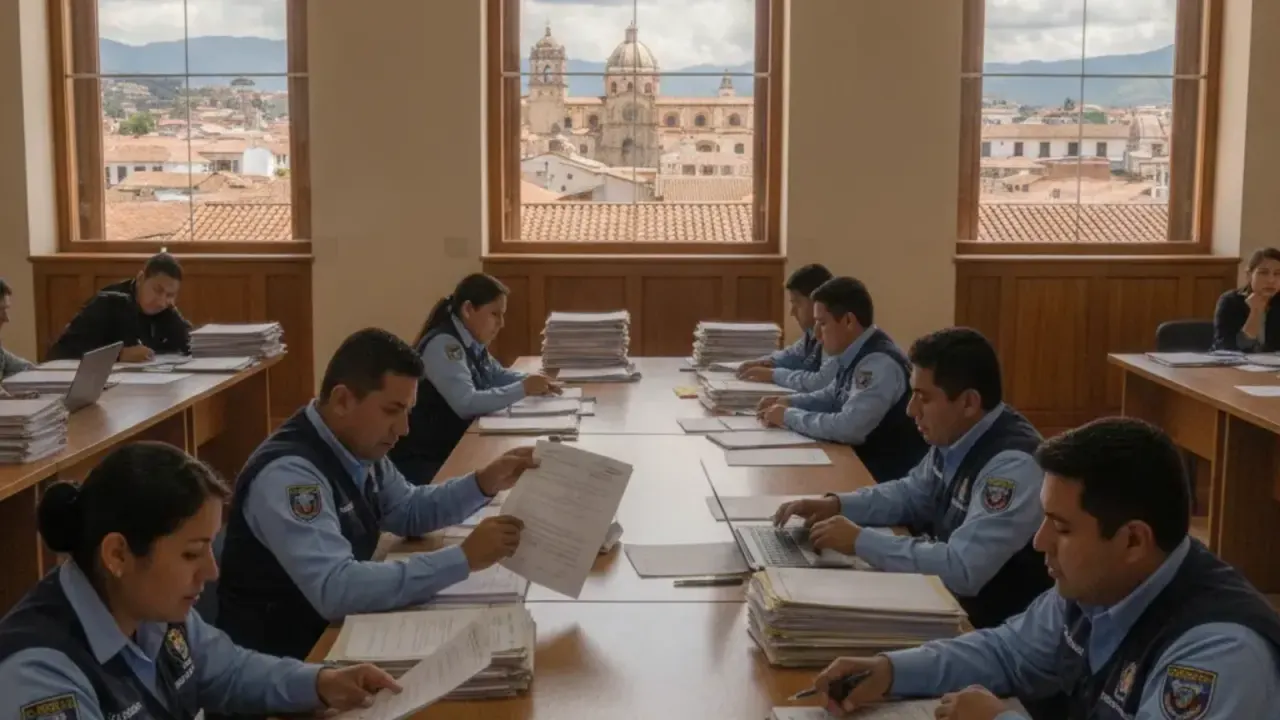
Cuenca Election Lists Are Still Changing as the 2026 Registration Deadline Nears


Ecuador's 2026 seccional elections are entering a decisive registration stretch, with eight days remaining before candidate registration closes for the vote scheduled on November 29, 2026.
The latest local report describes renunciations, list changes, and movement between political organizations in Azuay. For Cuenca residents, the immediate significance is not yet a final ballot; it is that the field of candidates and alliances is still being assembled.
What is changing
The report quotes Vinicio Bermeo, director of the CNE office in Azuay, on the registration process and the changes being made by political parties and movements. Some prospective candidates have left one list or organization while others have been added as alliances and internal decisions are finalized.
That makes the current political conversation provisional. A name discussed today may not appear on the final ballot, and a party label may not tell the whole story if local alliances continue to change before registration ends.
The offices voters will choose
The November vote concerns local and parish-level authorities. The responsibilities attached to those offices include matters residents encounter directly: roads, water, sewerage, irrigation, and risk management.
That local-government focus is important for foreign residents even when they are not participating in the election. Municipal and provincial decisions shape the services, infrastructure, and land-use environment that everyone living in Cuenca encounters.
The article also reports that debates for candidates will be mandatory. That should give residents another way to compare positions once the final lists are known, rather than relying only on campaign slogans or informal endorsements.
The campaign window
The campaign period will last 15 days, according to the report. That is a compact window for candidates to explain local plans and for voters to evaluate competing proposals.
For people who live in Cuenca but are still learning Spanish or Ecuador's political system, the short campaign makes it useful to begin watching the CNE's official announcements and local reporting before the campaign formally begins. The current article does not provide a final list of Cuenca candidates, so readers should treat early names as provisional.
What expats should watch
The practical questions are straightforward: which lists complete registration, which alliances survive the deadline, and what candidates propose for water, roads, sewerage, and risk management. Those issues are more relevant to daily life than national political branding alone.
The final ballot and official CNE information should be the reference point once registration closes. Until then, the local political map is still moving.
Source: El Mercurio
Keep Cuenca's daily expat briefing independent.
Reader support helps pay for reporting, translation, editing, hosting, and the daily work behind CuencaExpat.