Pawkar Raymi Is Happening Today at El Vado — Cuenca Celebrates the Andean Equinox

What Is Pawkar Raymi?
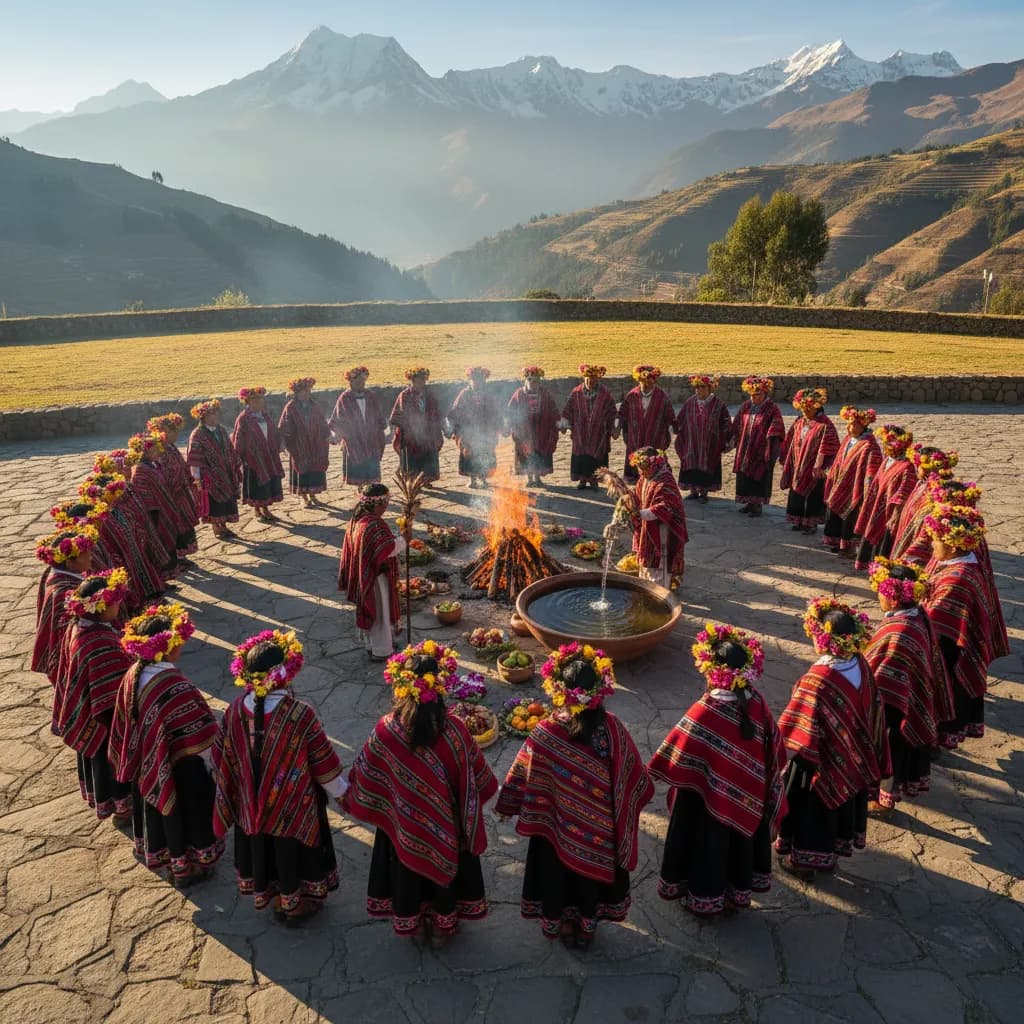
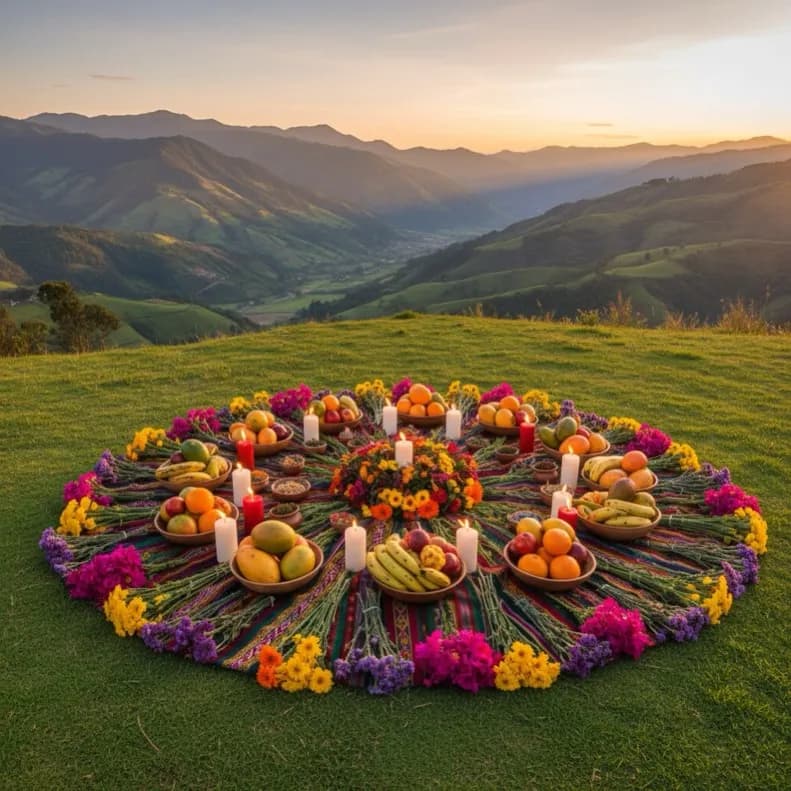
Today (March 20) marks the March equinox — and in the Andean world, that means Pawkar Raymi, the festival of flowering and renewal. It's one of four major Andean celebrations tied to the agricultural calendar, marking the beginning of the harvest season and honoring Pachamama (Mother Earth).
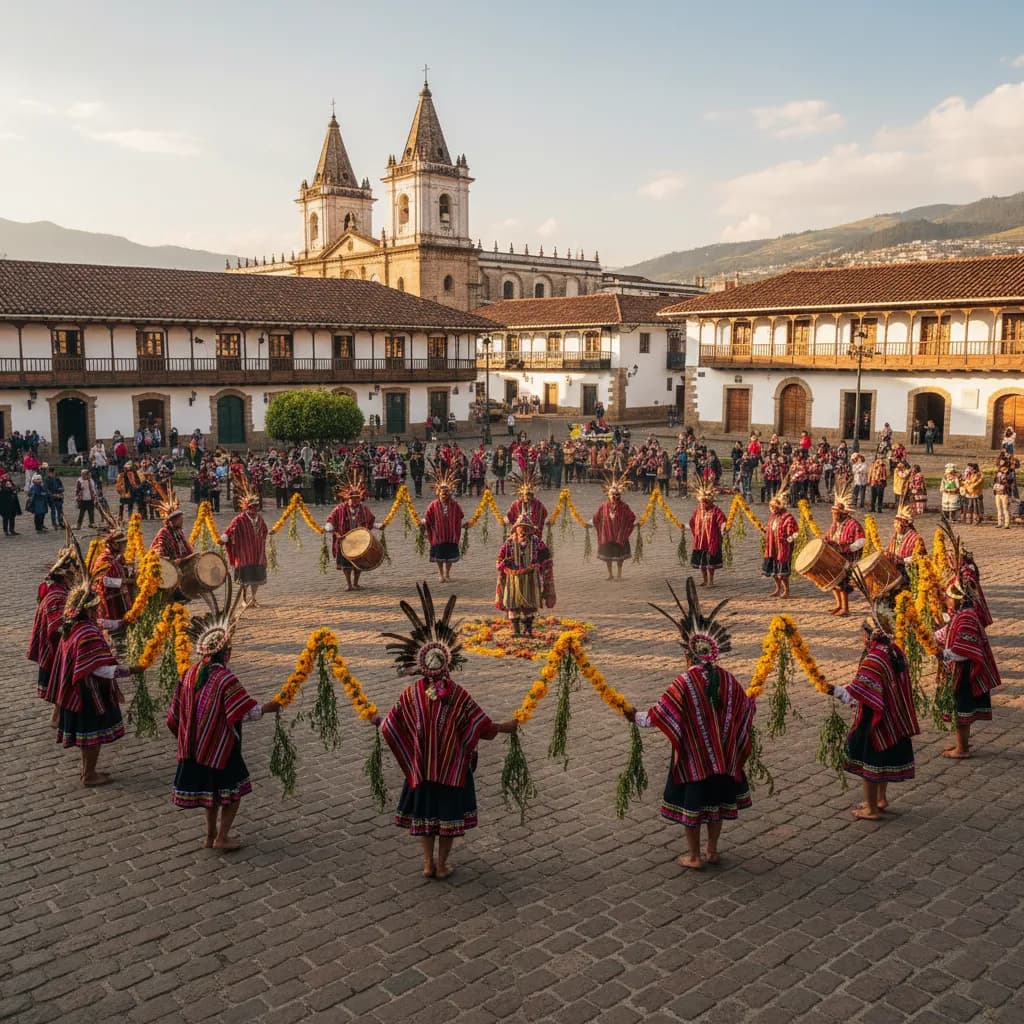
If you've seen indigenous communities celebrating with dances, drums, and colorful garlands around this time of year — this is why.
What's Happening in Cuenca
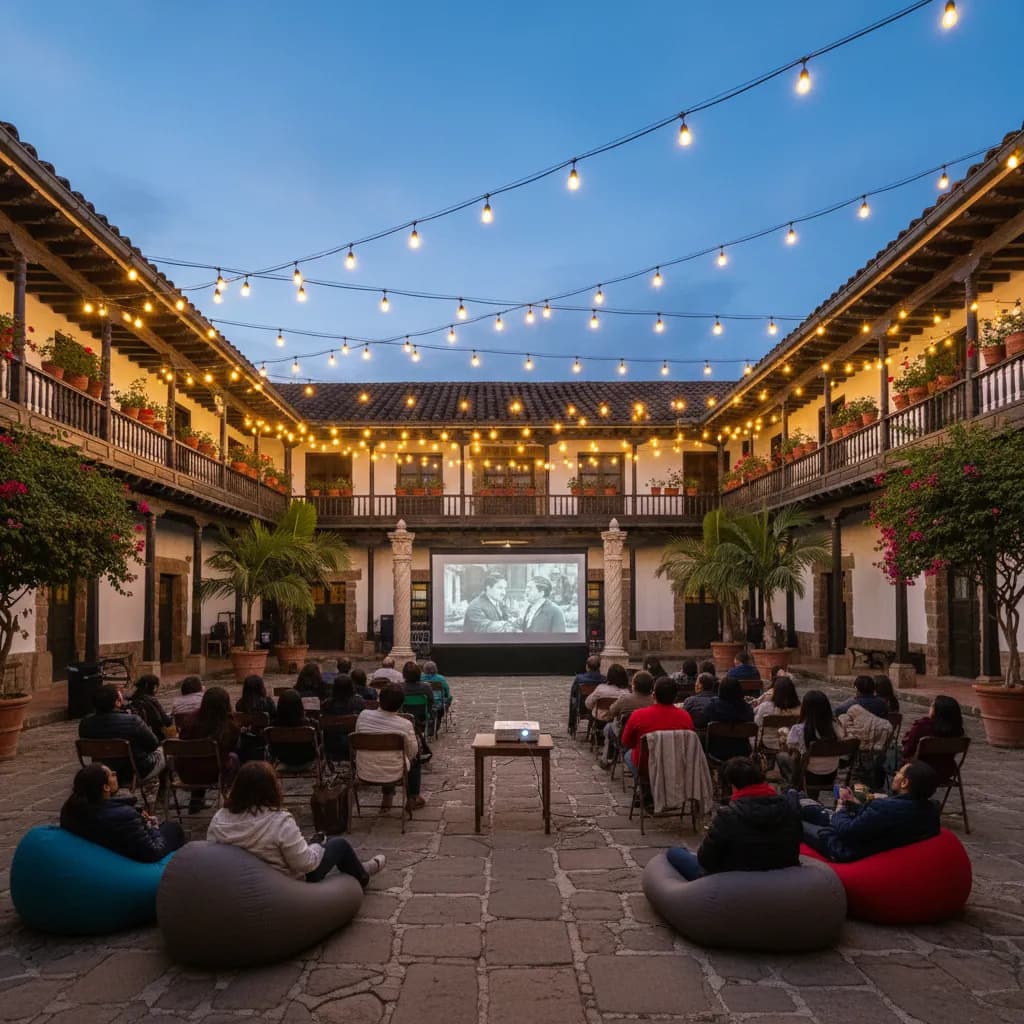
The Plazoleta de El Vado — one of Cuenca's most charming colonial squares, up the hill from Calle Larga — is hosting an ancestral ceremony this afternoon:
- Time: 4:00 PM
- Location: Plazoleta de El Vado (Calle de la Cruz & Calle Juan Montalvo)
- Cost: Free
- What to expect: Traditional dances, drum circles, spiritual cleansing rituals (limpias), offerings to Pachamama, and community gathering
The event is organized by local indigenous cultural groups and is open to everyone.
Why This Matters
Pawkar Raymi is one of four major Inti Raymi cycle celebrations that structure the Andean agricultural year:
- Pawkar Raymi (March equinox) — flowering, harvest begins
- Inti Raymi (June solstice) — the big one, sun festival
- Killa Raymi (September equinox) — fertility, feminine energy
- Kapak Raymi (December solstice) — leadership, renewal
For expats, these celebrations offer a window into the living indigenous culture that exists alongside — and predates — Cuenca's colonial Spanish heritage. The city's UNESCO designation covers both layers.
Practical Tips
- El Vado is uphill from the river — if you're coming from Calle Larga, take the stairs near the Puente Roto or walk up from Calle Juan Montalvo
- Arrive a bit early — El Vado's plazoleta is small and fills up quickly
- If you want to participate in a limpia (spiritual cleansing), they're typically offered during these events — just ask
- The neighborhood around El Vado has great cafés and craft shops if you want to explore before or after
Source: El Mercurio
Keep Cuenca's daily expat briefing independent.
Reader support helps pay for reporting, translation, editing, hosting, and the daily work behind CuencaExpat.