Cuenca Police Meet With Tourism Sector Over Drug Trade — Here's What They Shared

The Meeting
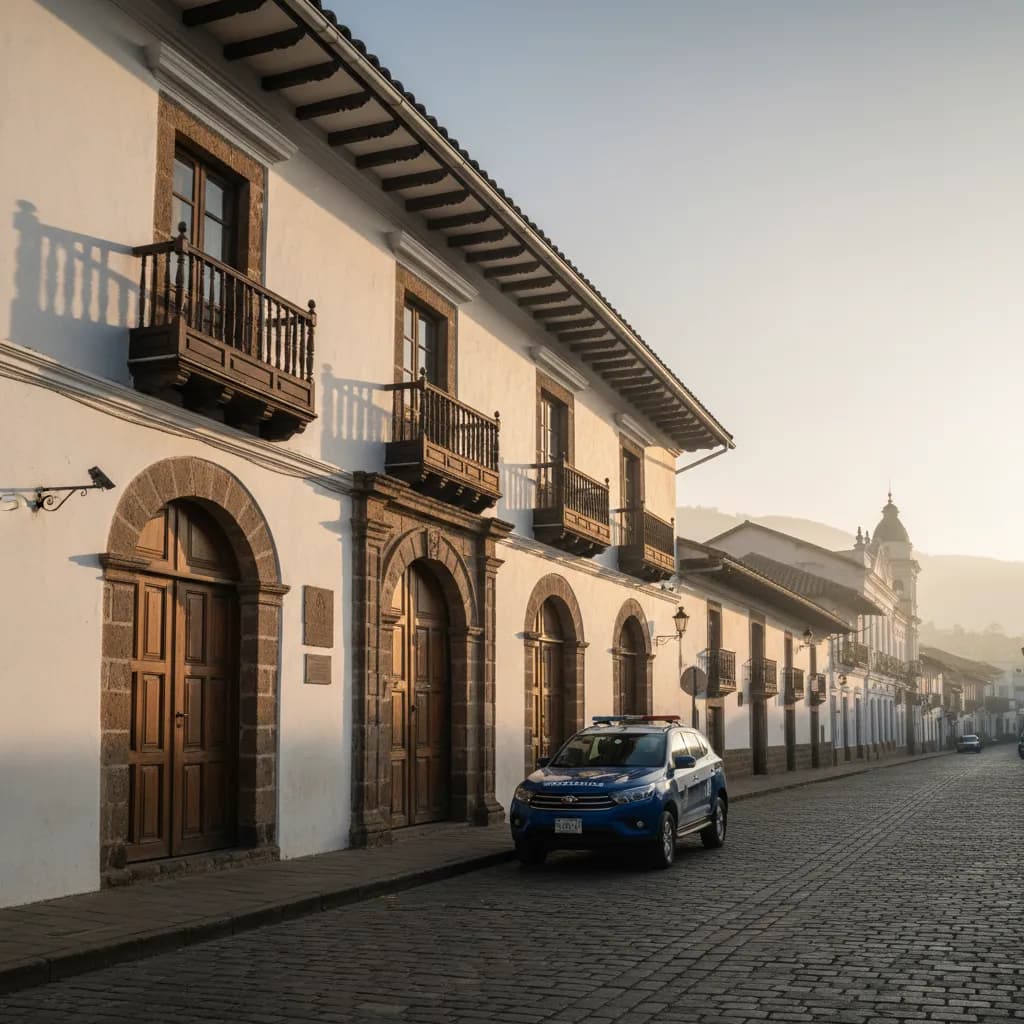
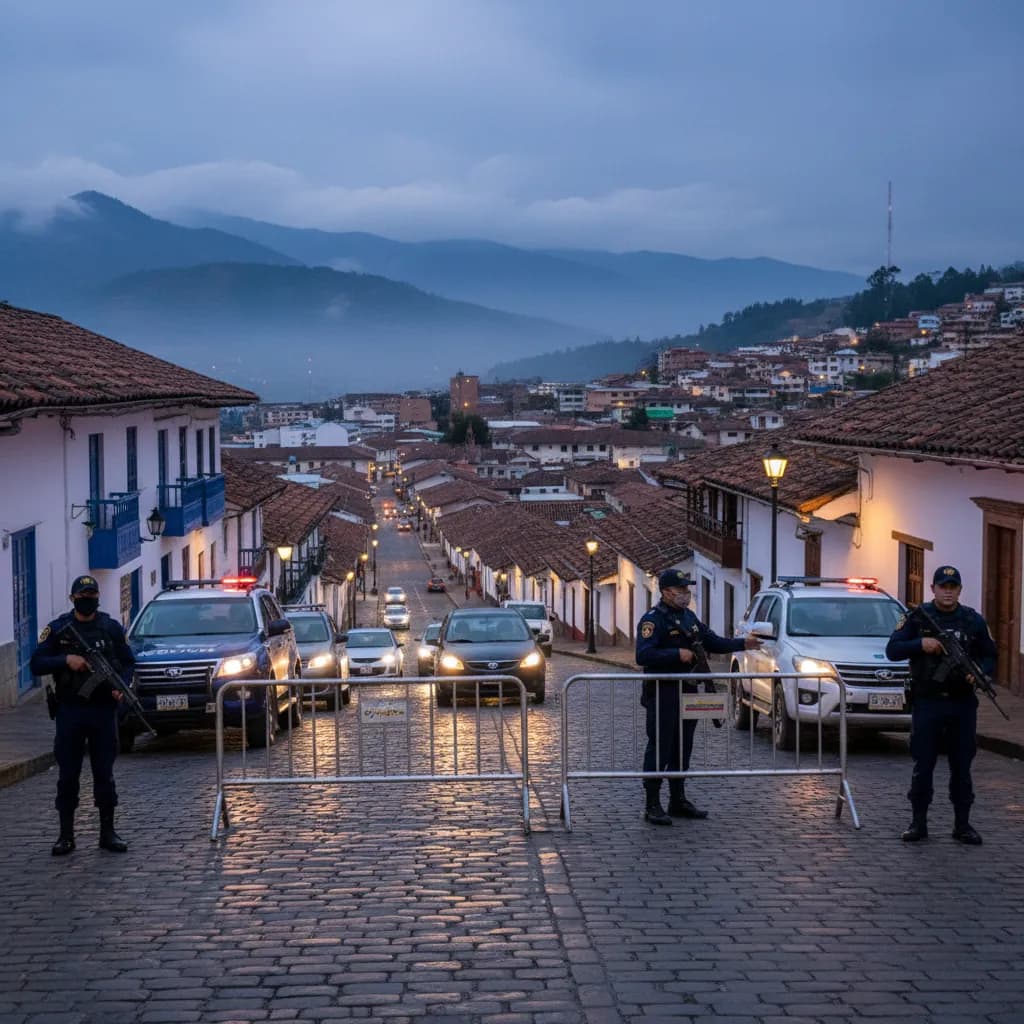
Ecuador's Policía Nacional antidrug unit sat down with representatives of Cuenca's tourism sector on April 14, 2026 to go over what's been happening on the ground, according to El Mercurio (source).
The meeting was framed as a coordination session with the same bars, restaurants, and tourism operators whose customers include most Cuenca expats who go out at night.
The Numbers
Per Stalin Salazar, "jefe de investigación antidroga de la Policía Nacional en Azuay" — the head of antidrug investigation for the National Police in Azuay — here's what 2026 looks like compared to all of 2025:
- 2025 (full year): "77 personas detenidas y se retiraron del mercado 79 kilos" — 77 people arrested, 79 kilos of drugs removed from the market
- 2026 (year to date): "se detuvieron a unas 77 personas y se incautaron 79 kilos" — roughly 77 people arrested, 79 kilos seized
That's a sharp acceleration in pace — the 2026 figures already match 2025's full-year totals, and we're only in April.
What's Being Seized
Of the drugs confiscated in 2025, "el 70 % es marihuana" — 70% was marijuana, with the remainder a mix of other substances.
The Violence Connection
This is the number that caught our attention: of Cuenca's 12 homicides so far this year, per Salazar, "de los 12 asesinatos que ocurrieron en Cuenca, al menos seis están relacionados" with drug disputes. Half of the city's killings this year are tied to the drug trade.
Salazar's Own Framing
Salazar's on-the-record takeaway is that enforcement can only do so much, and that the real lever is elsewhere:
"El principal factor que deberíamos gestionar como sociedad es la demanda."
Translation: "The main factor we need to manage as a society is demand."
That's notable language from a ranking antidrug official. It's a long way from "we're winning the war on drugs" and closer to a public health framing — the acknowledgment that supply-side enforcement alone won't move the numbers if demand keeps climbing.
What This Means for You
Cuenca is still one of the safer mid-sized cities in Latin America. But these numbers are worth knowing if you go out at night:
- Half of Cuenca's 2026 homicides are drug-related. That doesn't mean the streets are unsafe for people having dinner downtown. It means the violence is concentrated inside the drug economy, not randomly distributed. Stay out of that economy and you stay out of the risk pool.
- 2026 is already on pace to roughly double 2025's activity numbers. Police are working at a faster clip, but so is the trade. Both things are true.
- The police met with tourism operators directly. That means bar owners, restaurant managers, and hotel staff in your favorite spots are being looped in. It's a sign of coordination — not a reason to stop going out.
- If you see something off in a venue — people dealing, fights brewing, unusual foot traffic — leave. It's the same advice as anywhere else, but worth repeating when the numbers are trending this way.
Salazar's bigger point — that this is ultimately about demand — is one expats don't always hear framed this directly. It's a reminder that the drug problem in Cuenca is a social and public health issue, not just a police operation.
Source: El Mercurio
Keep Cuenca's daily expat briefing independent.
Reader support helps pay for reporting, translation, editing, hosting, and the daily work behind CuencaExpat.
More in News
View all →Cuenca Residents Face Rising Market Prices, Azuay Governor Warns Against Speculation
October 15, 2026
Gapal Interchange Project Faces Claims Amidst Bidding Process in Cuenca
September 21, 2026
Azuay Prosecutors Request Hearing for Suspended Cuenca Mayor Cristian Zamora Amid Health Travel Announcement
September 21, 2026