Cuenca's Brutal Rainy Season: 2,500 Hectares at Risk and No Letup in Sight

The Wettest Q1 in a Decade
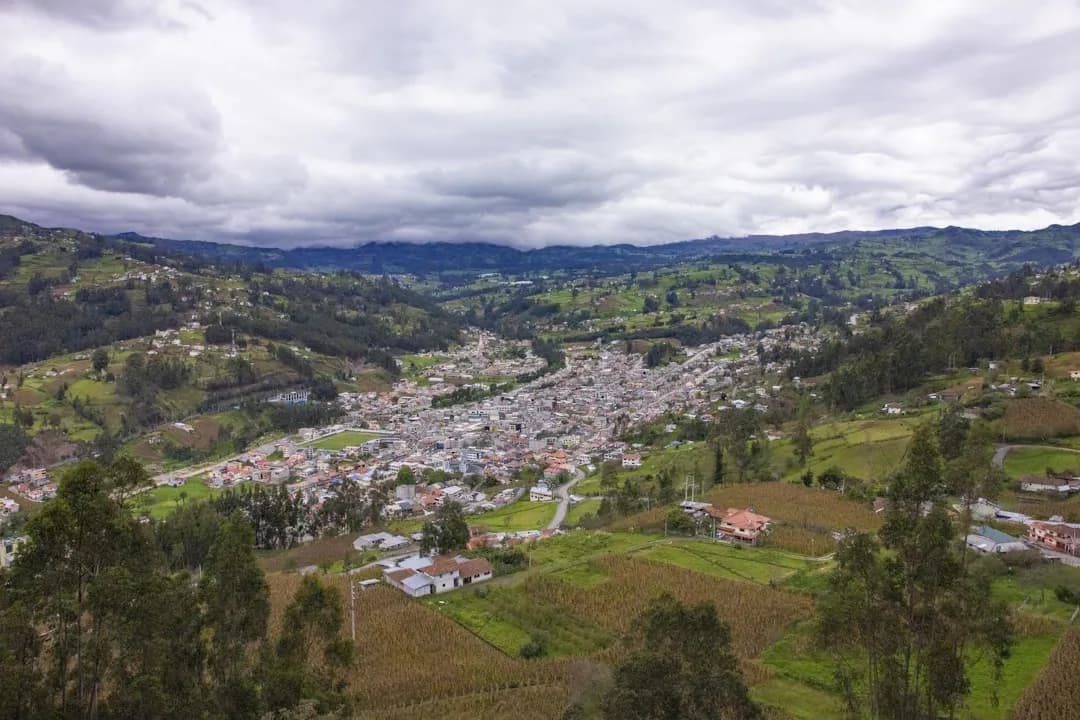
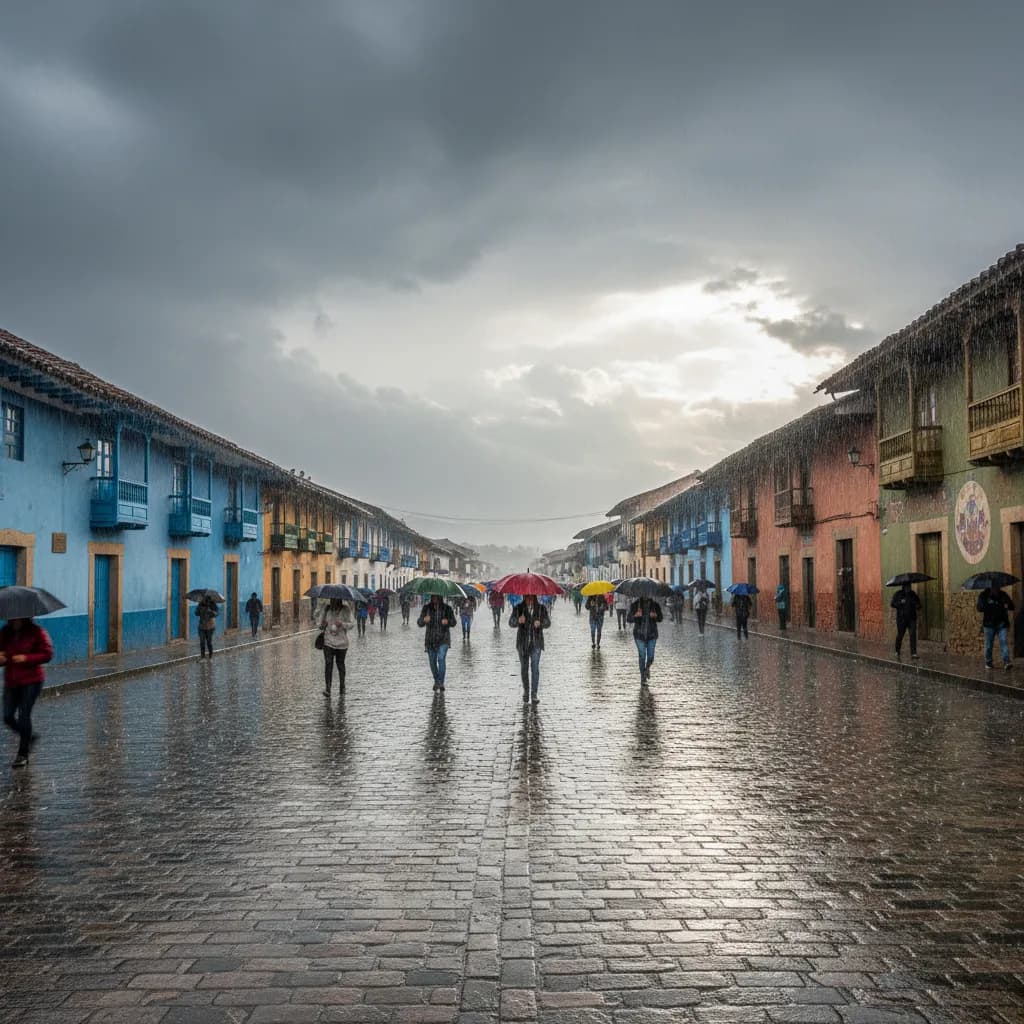
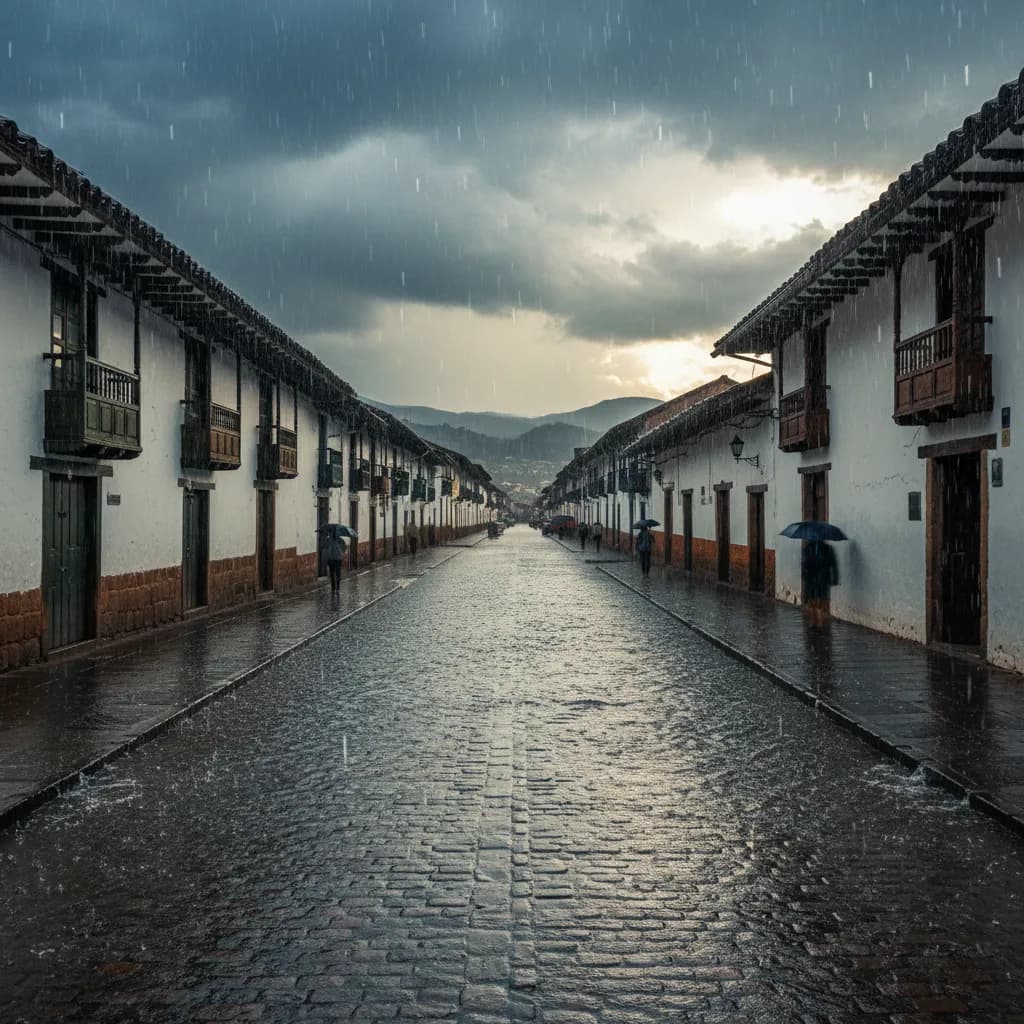
If it feels like the rain hasn't stopped since January, you're not imagining it. Cuenca is in the middle of the wettest first quarter of the decade, and the consequences are piling up — flooded neighborhoods, overwhelmed drainage systems, and a growing list of emergency responses.
According to La Voz del Tomebamba, more than 2,500 hectares across Cuenca canton are now classified as susceptible to winter weather disasters — flooding, landslides, and river overflow. That's a significant chunk of the broader metro area, and it includes both urban neighborhoods and rural parishes.
National Emergency Still in Effect
On March 12, President Noboa declared a national emergency covering all 24 provinces due to the severity of the rainy season across Ecuador. The declaration unlocks emergency funding and expedites response operations, but it also tells you something about how bad conditions are nationwide.
For Cuenca specifically, the picture is stark: more than half of all emergency incidents recorded in Azuay province this season have occurred within Cuenca canton, according to The Cuenca Dispatch. That means our city is bearing the brunt of the province's weather damage.
What's Already Happened
The damage isn't theoretical. Here's what this rainy season has delivered so far:
- River overflows along the Yanuncay and Tomebamba, with the Yanuncay breach in the Barabón sector sweeping away a pedestrian bridge
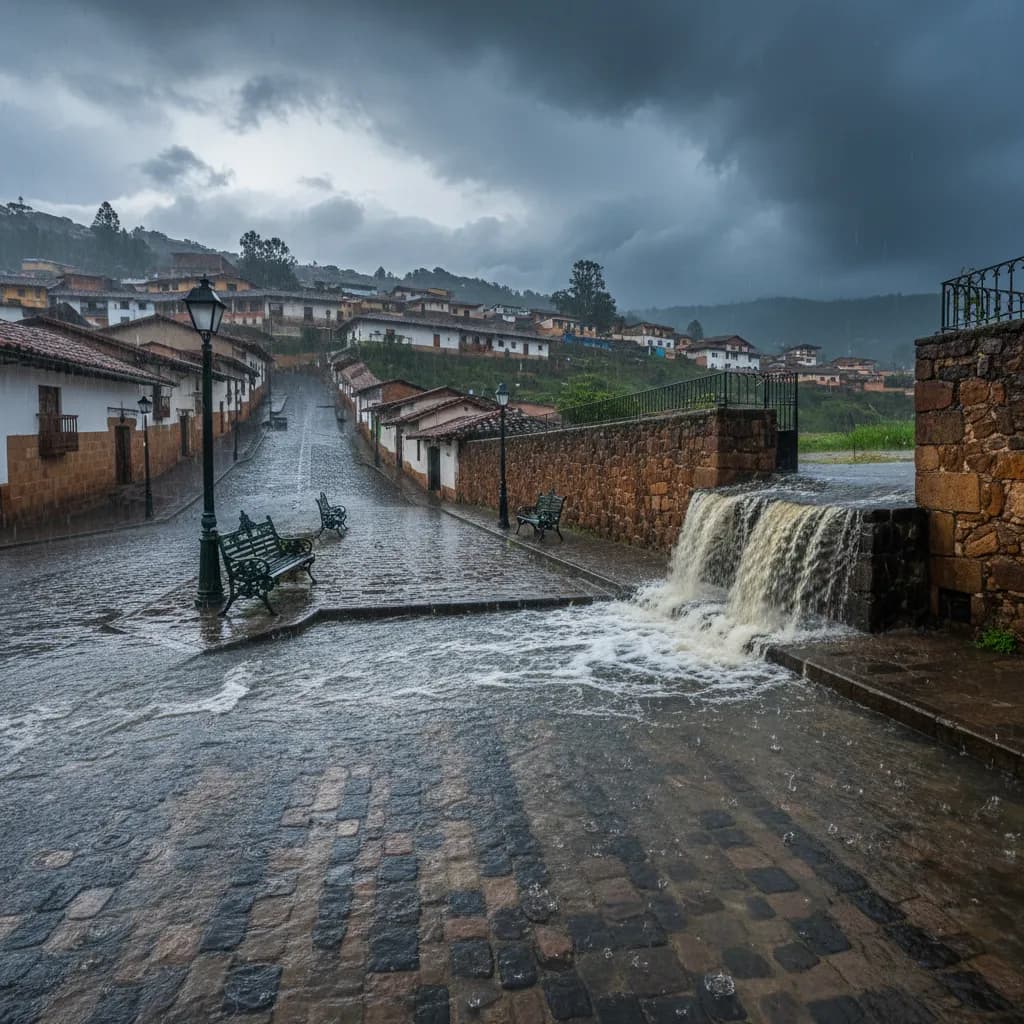
- Street flooding in multiple sectors during intense downpours, turning roads into temporary rivers
- Landslides on hillsides in parishes like Nulti, El Valle, and Turi
- Drainage system failures during peak rainfall events, backing up water into residential areas
- Dozens of emergency responses by ECU 911 and local fire departments for stranded vehicles, flooded homes, and downed trees
Why This Season Is Worse
Several factors are compounding this year's rainy season:
- Higher-than-average rainfall totals through January, February, and March
- Saturated soil — after months of sustained rain, the ground simply can't absorb more water, so every new storm runs off faster and harder
- Urban expansion into flood-prone areas — neighborhoods built in river plains and on hillsides are inherently more vulnerable
- Aging drainage infrastructure that wasn't designed for this volume of water
What Expats Should Do Right Now
The rainy season runs through May, and April is historically the wettest month. We're not past the worst of it yet.
- Check if your neighborhood is in a risk zone. Parishes like El Valle, Nulti, Turi, Miraflores, and areas along the Yanuncay and Tomebamba rivers are the most vulnerable
- Don't drive through flooded roads. It's the most common cause of vehicle damage and the most dangerous thing people do during storms. If the road is flooded, turn around
- Follow ECU 911 on social media for real-time alerts during heavy rain events
- Keep emergency supplies accessible — flashlight, medications, copies of important documents, phone charger. If you live in a flood-prone area, have a bag ready to go
- Watch the hillsides after sustained rain. Cracks in retaining walls, unusual water seepage, or tilting vegetation can signal an impending landslide
- Avoid the rivers. The Tomebamba walking paths are beautiful, but during heavy rain events, river levels can rise dangerously fast with almost no warning
The emergency declaration runs through mid-May. Stay careful out there.
Sources: La Voz del Tomebamba, The Cuenca Dispatch
Keep Cuenca's daily expat briefing independent.
Reader support helps pay for reporting, translation, editing, hosting, and the daily work behind CuencaExpat.
More in News
View all →Cuenca Residents Face Rising Market Prices, Azuay Governor Warns Against Speculation
October 15, 2026
Gapal Interchange Project Faces Claims Amidst Bidding Process in Cuenca
September 21, 2026
Azuay Prosecutors Request Hearing for Suspended Cuenca Mayor Cristian Zamora Amid Health Travel Announcement
September 21, 2026