Landslide Damages Roads Near Nabón — What to Know If You're Driving South of Cuenca

Another Rainy Season Landslide
Cuenca's unusually intense 2026 rainy season has claimed another stretch of road.
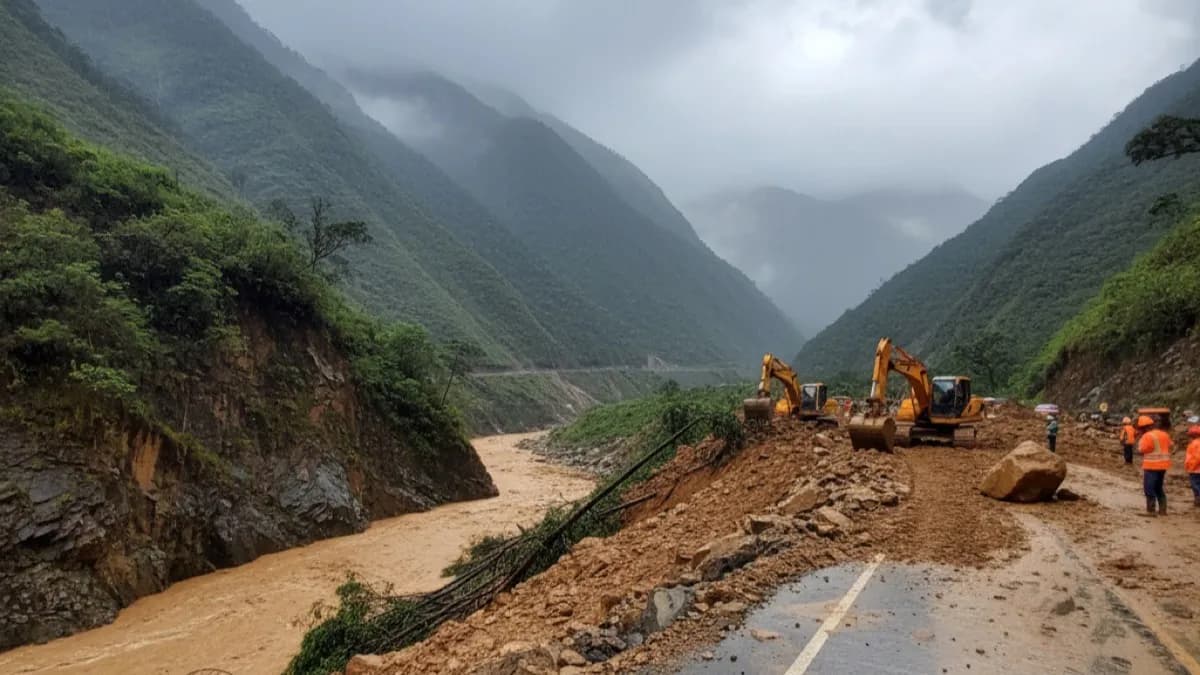
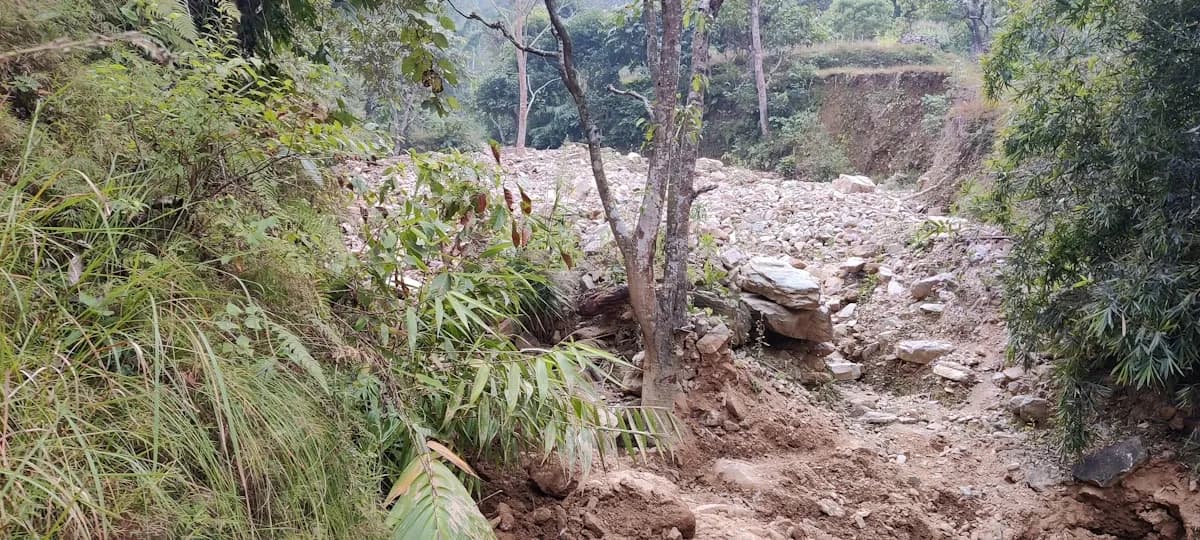
A landslide near Nabón — about 70 kilometers south of Cuenca — has damaged road infrastructure, adding to the pattern of rain-related disruptions that have hit the region this year.
What Happened
Heavy rains compromised hillside stability in the Nabón area, triggering a slide that affected the road connecting Cuenca to communities further south. The area around Nabón has a history of landslide vulnerability — the terrain is steep, the soil is clay-heavy, and sustained rainfall saturates the slopes.
This is the same general area where a 150,000 cubic meter landslide destroyed 70 meters of road near Chanazana in 2025, isolating five communities.
Who's Affected
If you regularly drive the routes south of Cuenca, this matters:
- Cuenca → Loja (E35 highway) — check conditions before departing
- Cuenca → Vilcabamba — same route through Loja
- Cuenca → Nabón → Oña → Saraguro — directly affected
- Day trips to Nabón — the Sunday market and surrounding countryside are popular expat outings
What to Do
Before driving south:
- Check road conditions on social media — search for "vía Cuenca Nabón" or "vía Cuenca Loja" on X/Twitter
- Call ahead to your destination to confirm road access
- The ECU 911 line can provide real-time road condition updates
If you're on the road:
- Watch for flaggers, detour signs, and single-lane sections
- Reduce speed dramatically in any area with visible hillside erosion
- Don't drive through standing water on the road — it may be hiding damage underneath
- If you see fresh mud, rocks, or debris on the road surface, stop and assess before proceeding
General rainy season advice:
- Avoid driving the southern highways at night during heavy rain
- Keep your gas tank above half — detours can add significant distance
- Carry water, snacks, and a phone charger in case of extended delays
The Bigger Pattern
This is part of a broader trend this rainy season. Cuenca has experienced unusually strong and frequent rainfall since the start of 2026, leading to flooding, road damage, and utility disruptions across the region.
The Cajas highlands west of the city have seen heavy precipitation, and several urban neighborhoods have experienced localized flooding. INAMHI (Ecuador's meteorological agency) has maintained orange-level weather alerts for the Azuay region intermittently throughout February.
When Will the Road Be Fixed?
No official timeline has been announced. Landslide repairs in Ecuador's sierra can take anywhere from days (for minor clearing) to months (for major slope stabilization). We'll update when more information is available.
For now: if you're heading south, check before you go.
Source: El Mercurio
Keep Cuenca's daily expat briefing independent.
Reader support helps pay for reporting, translation, editing, hosting, and the daily work behind CuencaExpat.