Gas Prices Just Jumped Again — And Diesel Crossed $3 for the First Time

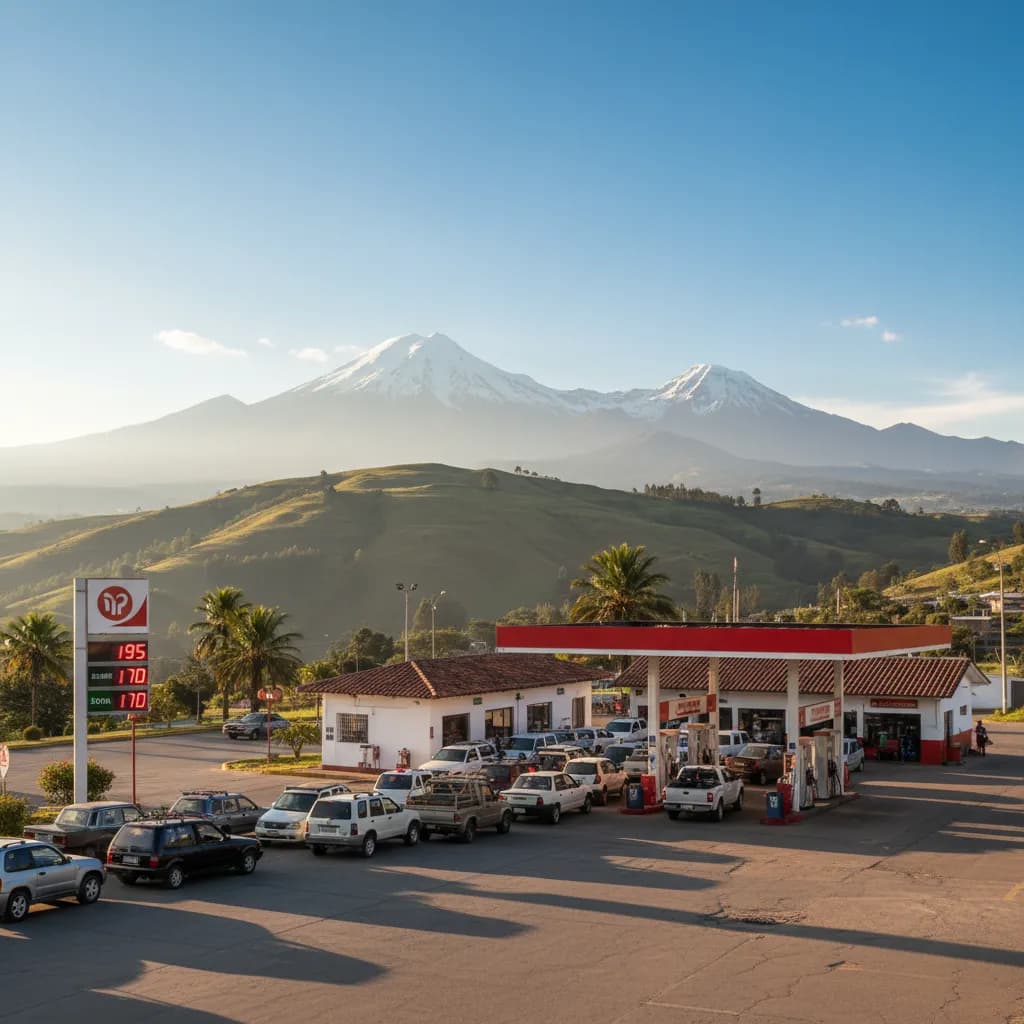
If you drove past a gas station today and thought the numbers looked different — they are.
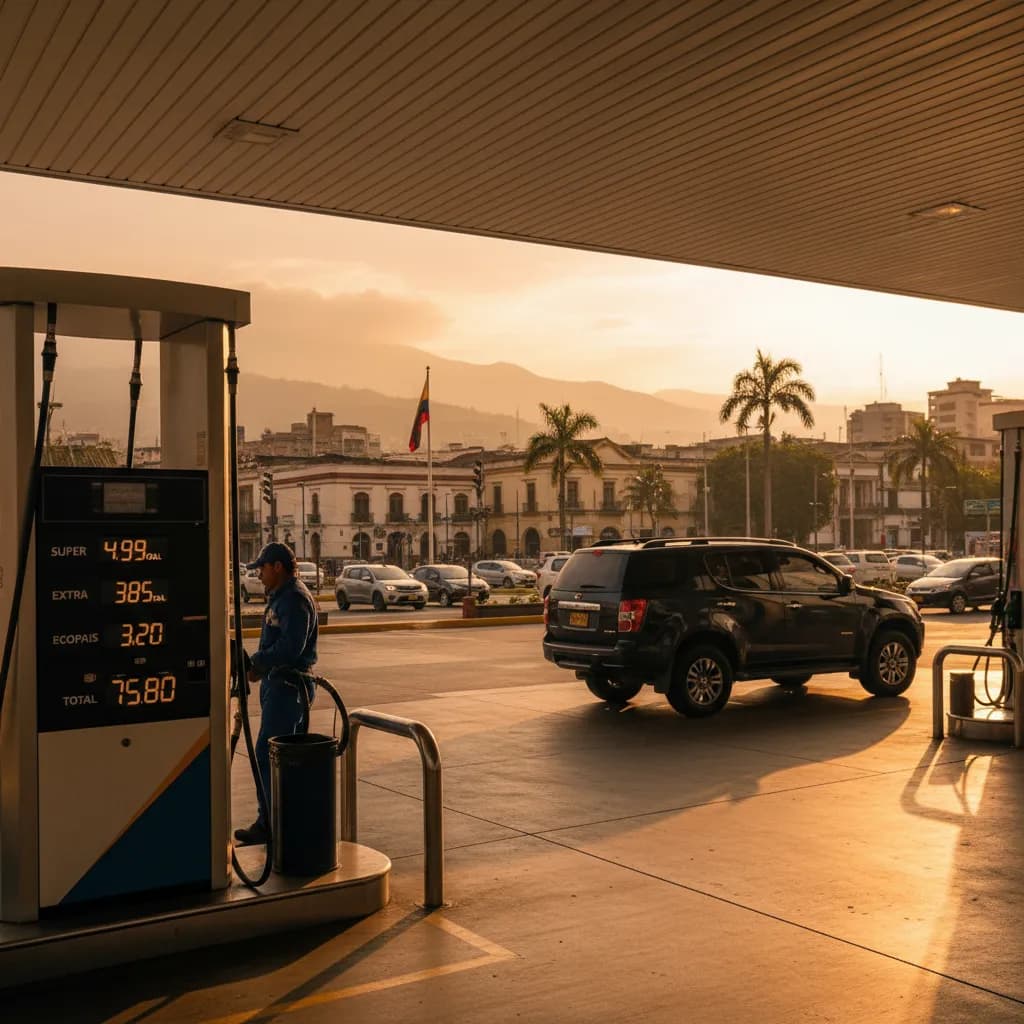
Starting May 12, fuel prices are up across all grades, and for the first time ever, diesel has crossed the $3-per-gallon mark. Here's the breakdown:
| Fuel | New Price | Old Price | Change |
|---|---|---|---|
| Extra / Ecopaís | $3.16/gal | $3.02/gal | +$0.14 |
| Super Premium 95 | $4.81/gal | $4.57/gal | +$0.24 |
| Diesel Premium | $3.10/gal | $2.96/gal | +$0.14 |
These prices are locked in until June 11 under the government's monthly stabilization band system, which caps increases at 5% and decreases at 10%.
Why Prices Keep Climbing
Two forces are squeezing Ecuador's fuel supply at the same time.
First, the Esmeraldas refinery — Ecuador's main domestic fuel producer — is limping along at just 39-40% capacity. Its critical FCC (Fluid Catalytic Cracking) unit has been offline, forcing the country to import 65% of its fuel demand. Petroecuador says a restart is planned for May 15, with full operations by June 2.
Second, the conflict involving the U.S. and Israel with Iran has disrupted the Strait of Hormuz, through which nearly 20% of global petroleum passes. That's pushed international crude toward $80-$100 per barrel, making those imports even more expensive.
Shortages Are Real — in Quito, at Least
Multiple gas stations in Quito closed Monday morning due to lack of Extra and Ecopaís fuel. Ivo Rosero, president of the petroleum distributors chamber (Camddepe), confirmed that stations "aren't able to purchase the required volumes at distribution terminals."
As one taxi driver put it: "Before, $25 filled the tank. Now $35, $45. Can't work like this."
The government insists supply is adequate nationwide and has threatened legal action against anyone "creating public alarm" about shortages.
What This Means for Cuenca
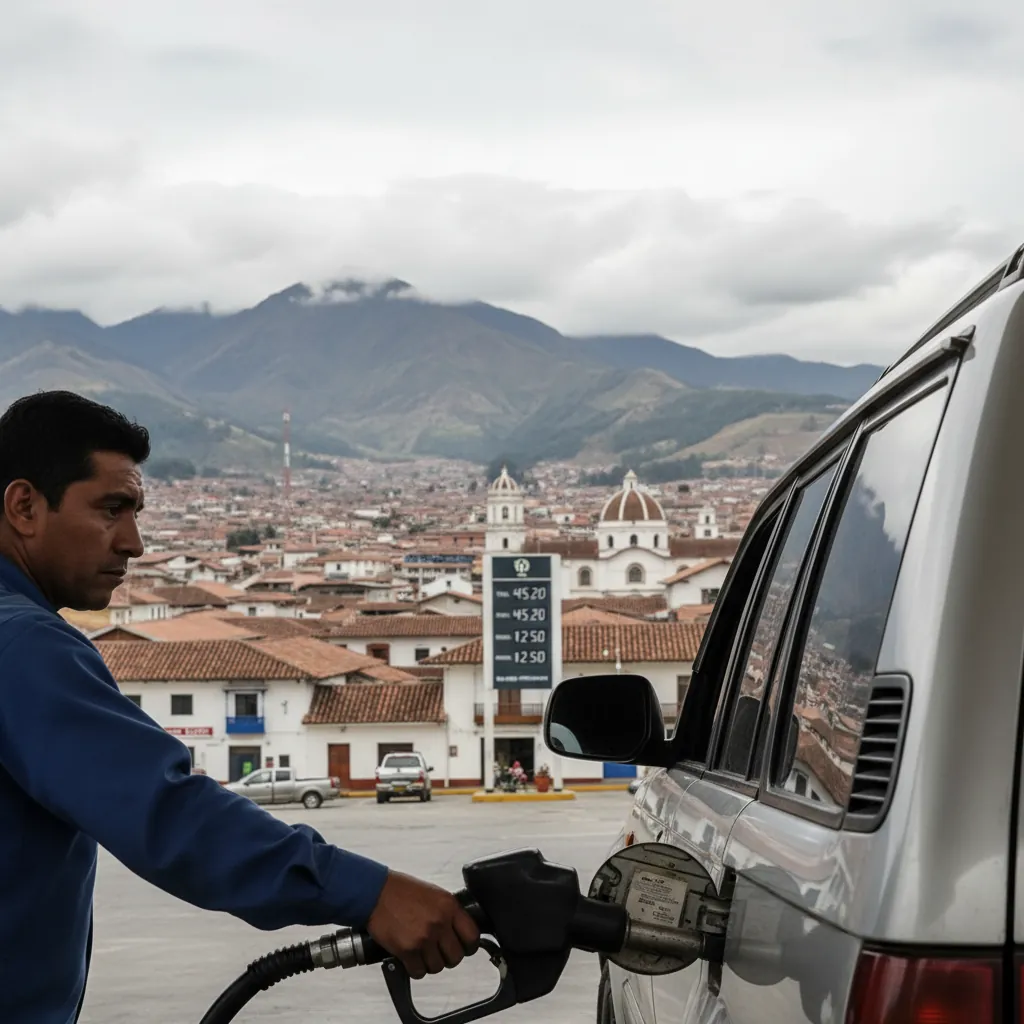
Cuenca hasn't reported the same station closures as Quito — yet. But the price increases hit everyone equally. If you're filling up a standard sedan, expect to pay roughly $3-5 more per tank compared to last month.
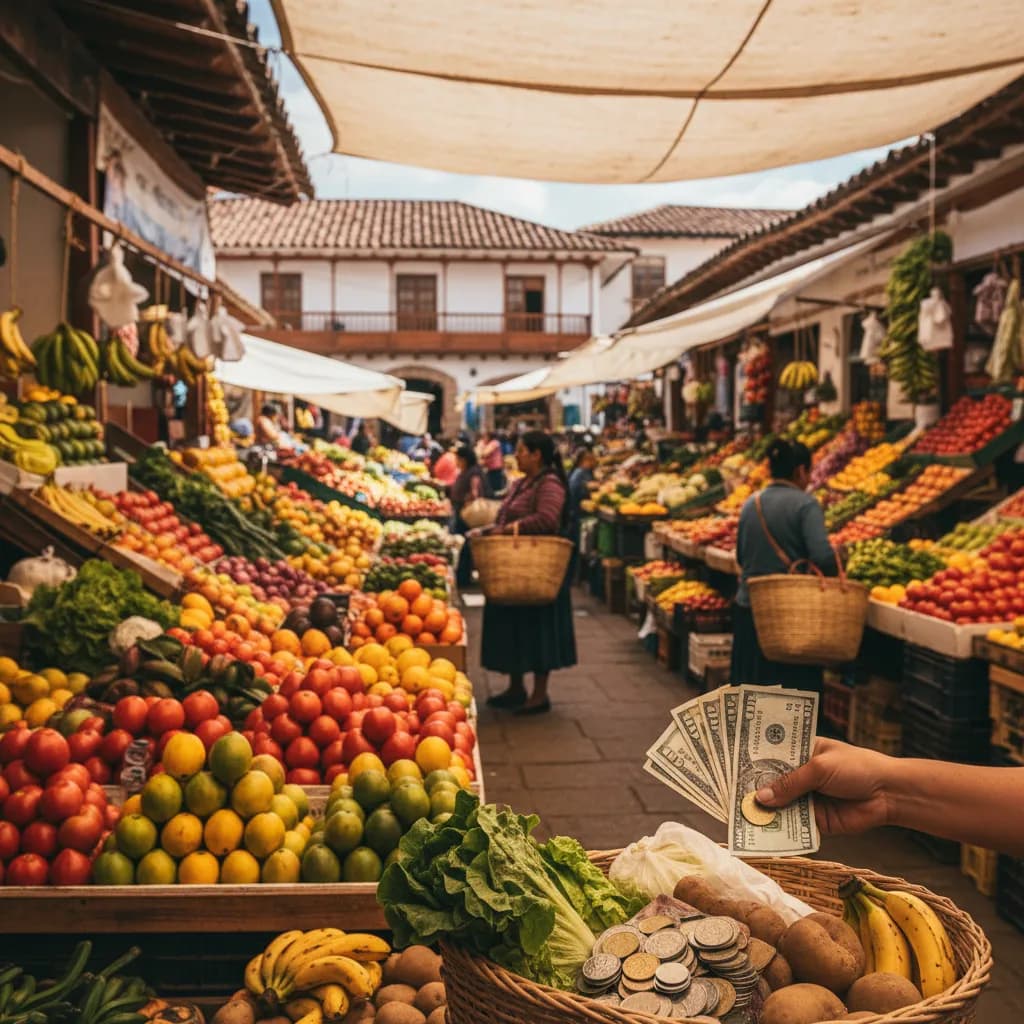
The bigger impact is indirect: when diesel goes up, everything that moves by truck gets more expensive. Groceries, building materials, imported goods — the ripple effect hits your wallet even if you take the bus.
The government is subsidizing $1.93 per gallon on diesel and $0.59 on Extra/Ecopaís, meaning the actual cost of fuel is significantly higher than what you pay at the pump. Whether those subsidies are sustainable is another question entirely.
Sources: El Universo, Primicias
Keep Cuenca's daily expat briefing independent.
Reader support helps pay for reporting, translation, editing, hosting, and the daily work behind CuencaExpat.