Cuenca–Girón–Pasaje Highway Gets a $1M Wall — Plus a $2M World Bank Study

If your run to the coast goes through Girón and Pasaje, the road is finally getting serious attention. The Ministerio de Infraestructura y Transporte (MIT) is moving on two fronts at once: an emergency retaining wall and a full-corridor restoration study funded by the World Bank.
What's Happening at Kilometer 50
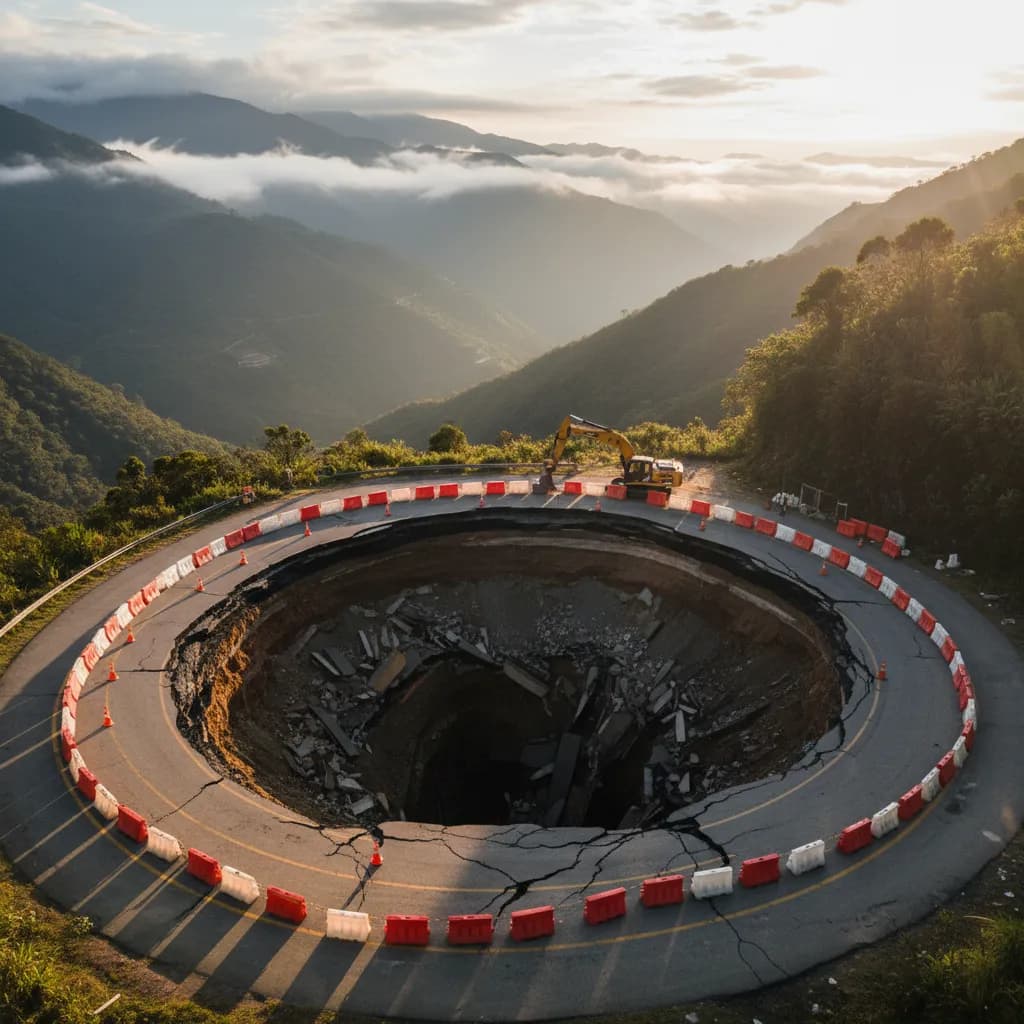
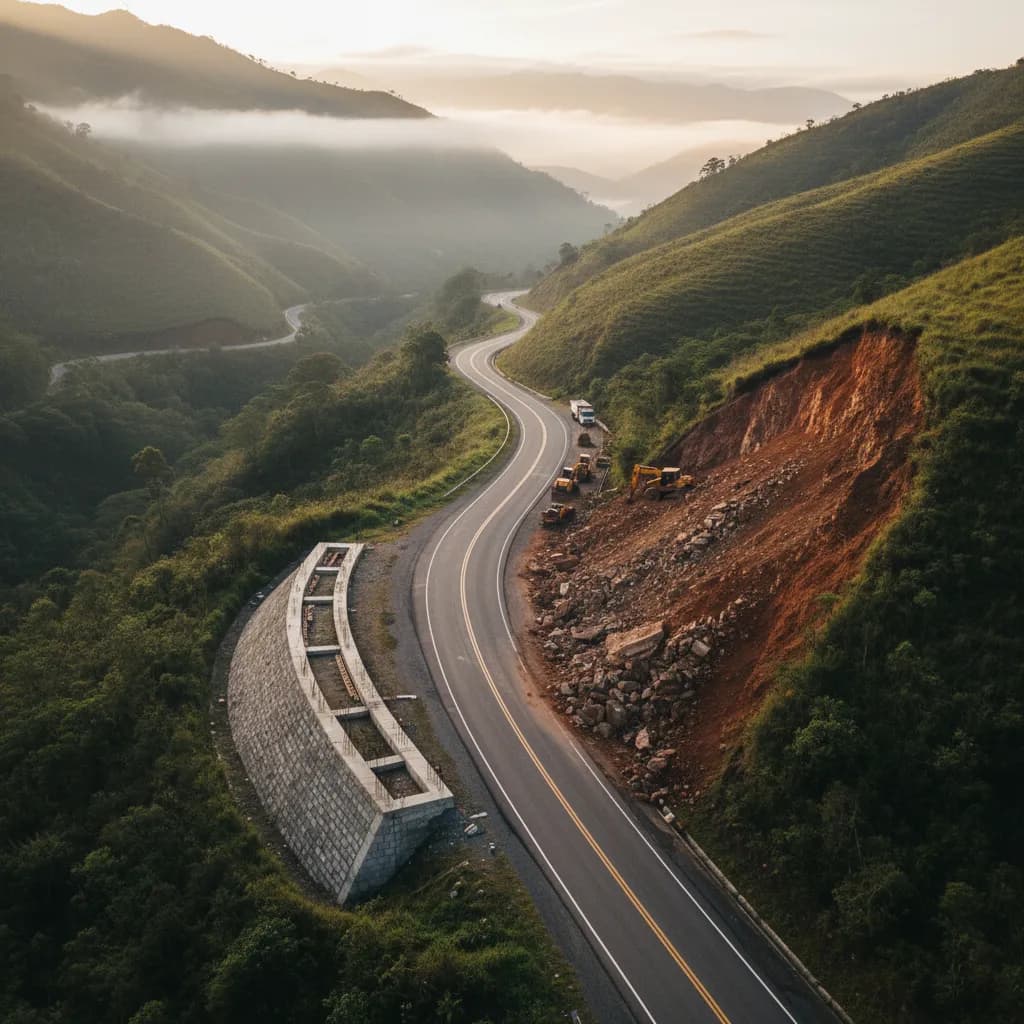
The route has been deteriorating for years, but the worst damage is concentrated at kilometer 50, where a severe sinkhole and constant landslides have eaten into the roadbed. MIT is now building a retaining wall there for over $1 million, expected to take four months.
Mario Vintimilla, the regional subsecretary (subsecretario zonal 6) for MIT, told El Mercurio: "la estructura estará diseñada técnicamente para soportar la carga de la vía y brindar una solución definitiva" — the wall will be engineered to carry the load of the road and provide a permanent fix.
The Bigger Picture: A $2M Study
Separately, MIT has begun comprehensive engineering studies covering the most critical stretches between kilometer 50 and kilometer 66. That work is budgeted at $2 million and financed by the World Bank. The studies are expected to be carried out during May.
The goal: a complete repair plan for the corridor's worst sections, with the studies acting as the basis for the actual rehabilitation contract that will follow.
What Drivers Should Expect
- Four months of disruption at kilometer 50 while the wall goes up. Expect lane closures, single-lane operation, and longer travel times.
- No detour announced yet, but if you have flexibility, consider routing through Cuenca–Santa Isabel–Pasaje as an alternative if conditions worsen.
- The route to Machala and the El Oro coast goes through this stretch. If you fly out of Santa Rosa or drive to the beach, build in extra time during the construction window.
Why It Matters for Expats
The Cuenca–Girón–Pasaje corridor is one of the most-used southern routes for expats heading to the coast, the El Oro beaches, or onward to Peru. It's also the route the buses take. If the wall holds and the studies deliver a real plan, this could be the last big slow-down on that road in a while. If it doesn't, expect to be reading more stories like this one in the months to come.
Source: El Mercurio
Keep Cuenca's daily expat briefing independent.
Reader support helps pay for reporting, translation, editing, hosting, and the daily work behind CuencaExpat.