Seven Communities in Santa Isabel Are Building Their Own Bridge — Because the Government Won't

When the Government Says $2.1 Million, You Grab a Shovel
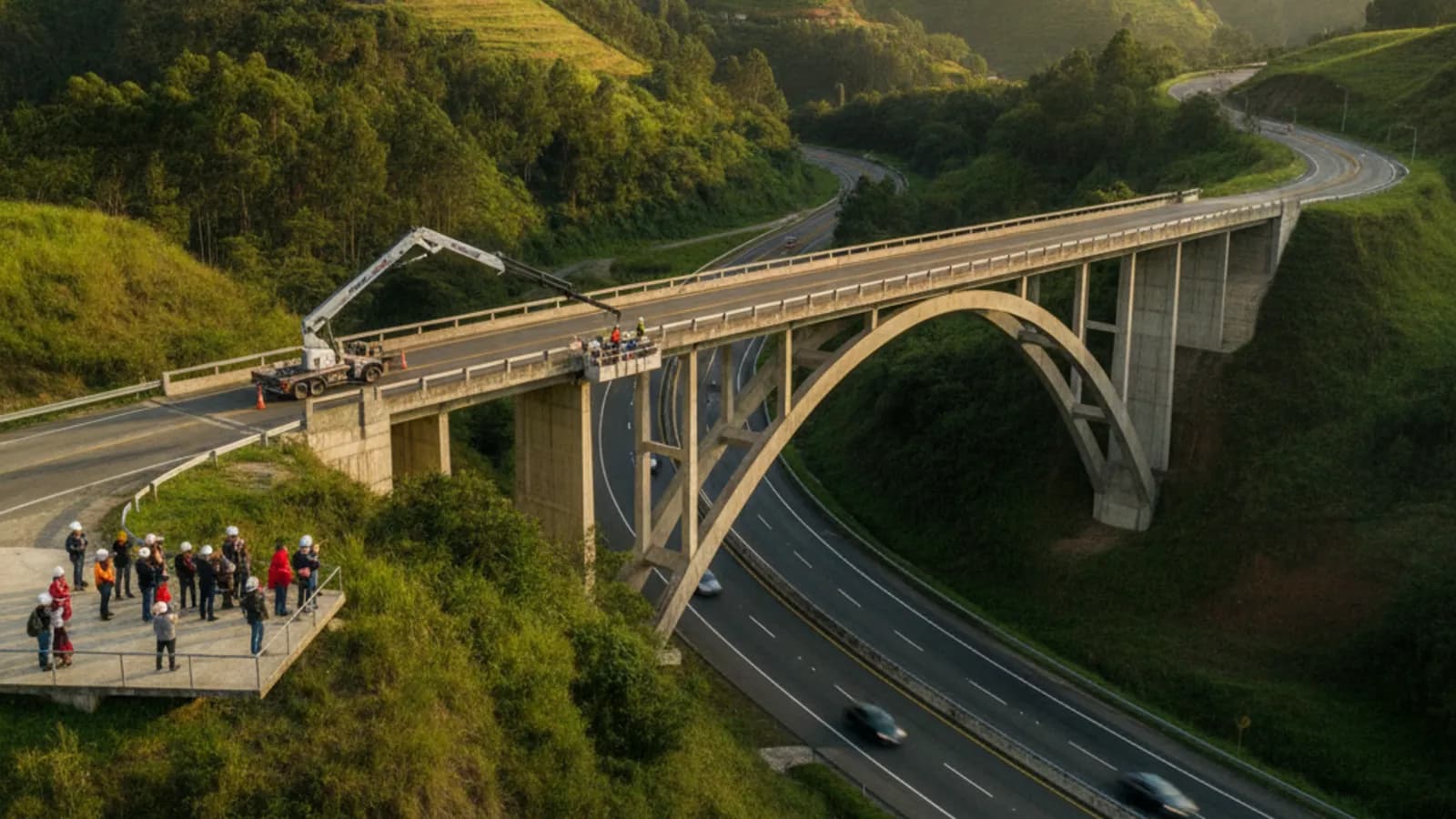
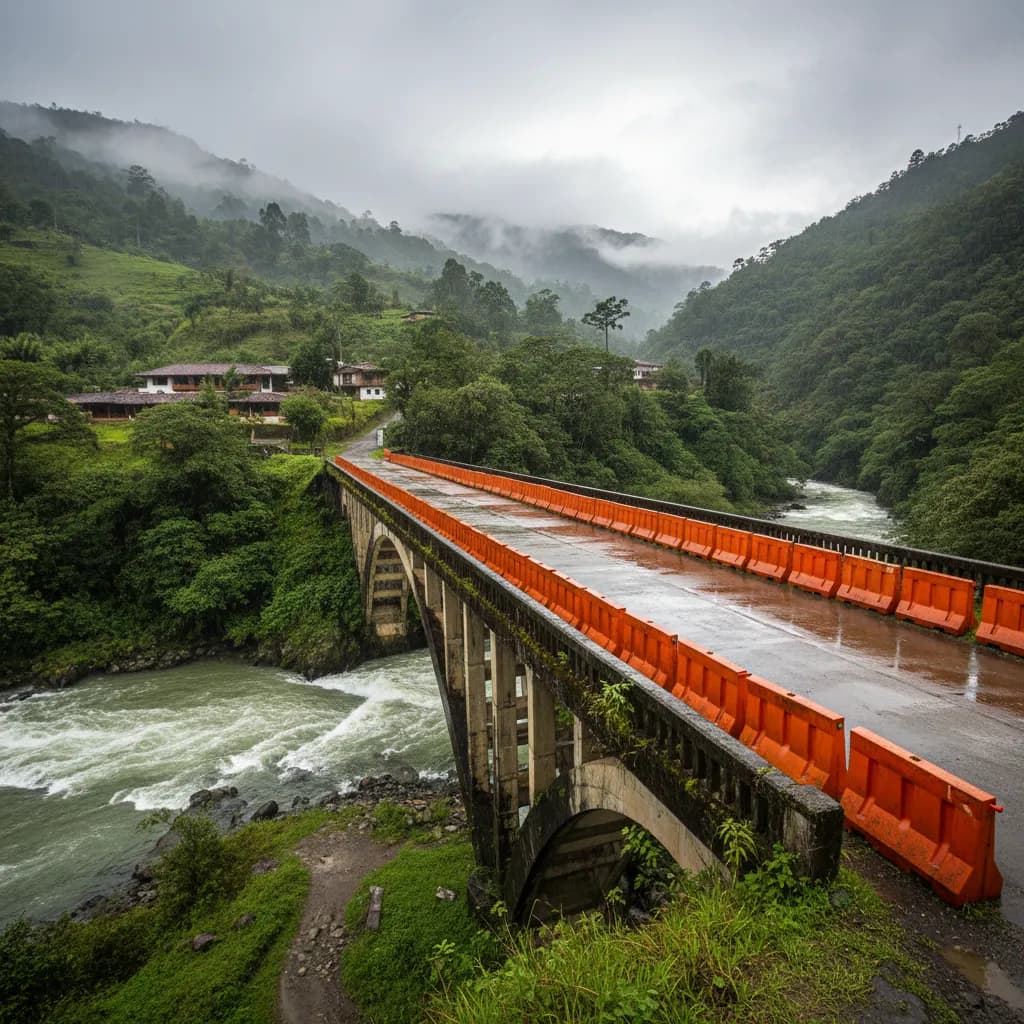
On February 23, a subsidence event disabled the Sulupali bridge over the Río Rircay in Santa Isabel — a canton about 80 km south of Cuenca, on the road to the Yunguilla Valley.
The collapse isolated dozens of families across seven communities in lower Santa Isabel. Getting to school, to the hospital, to the market — all suddenly required expensive detours or dangerous river crossings.
So the communities did what communities in rural Azuay have always done: they decided to fix it themselves.
The Numbers Tell the Story
| Item | Amount |
|---|---|
| Government's initial bridge estimate | $7.3 million |
| Revised government estimate | $2.1 million |
| Community's DIY bridge estimate | $35,000 |
| Raised so far | $962 |
| Families affected | Dozens across 7 communities |
| Cost per family for temporary access | ~$270 |
You read that right. The government quoted $7.3 million for a proper replacement bridge. After pushback, a revised estimate came in at $2.1 million. Meanwhile, families were paying roughly $270 each just for temporary access arrangements while waiting for... nobody was quite sure what.
What They're Building
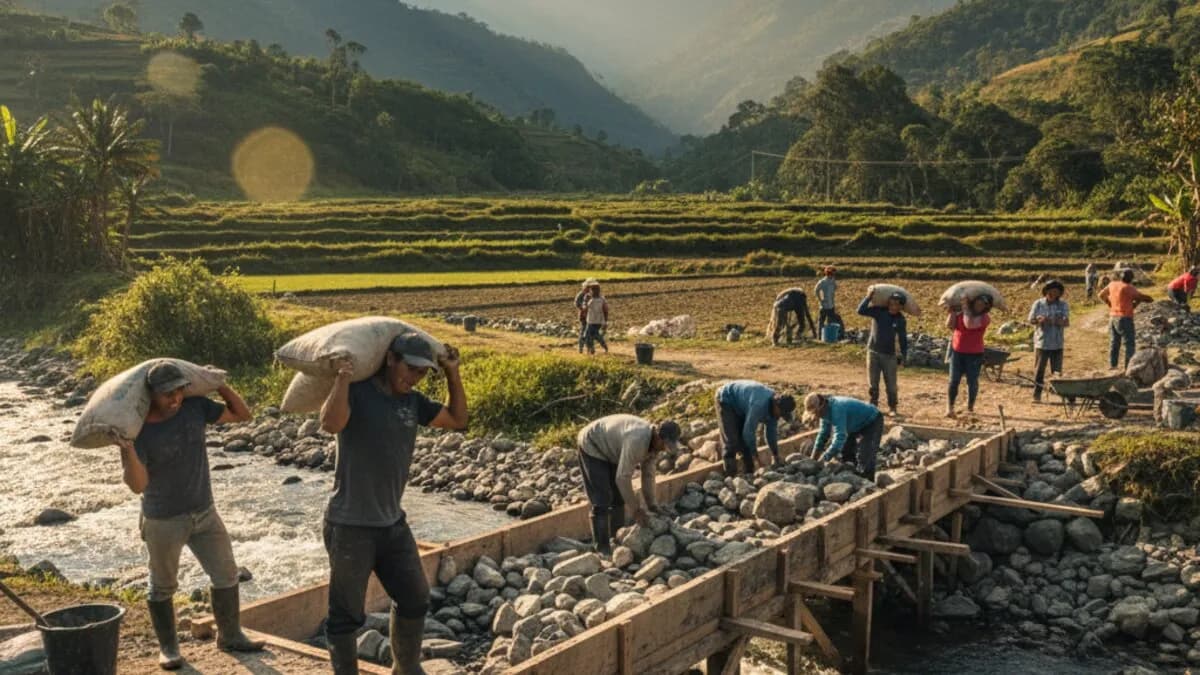
The communities are constructing a vehicular bridge using:
- Cement and river rock — sourced locally from the Rircay itself
- Salvaged iron from a previous bridge that collapsed in 2012
- Community labor — residents from all seven communities contributing time and muscle
The estimated cost: $35,000. That's 1.7% of the government's revised estimate.
Will it be a permanent, earthquake-rated, two-lane vehicular bridge? No. Will it reconnect seven communities to the rest of the world? Yes.
Why This Matters Beyond Santa Isabel
This story is a window into how rural Ecuador actually works. When infrastructure fails and government budgets move slowly — or not at all — communities organize. The minga tradition (collective community work) is alive and well in Azuay, and this is a textbook example.
It's also a story about the gap between official infrastructure costs and what communities can actually achieve. Whether that $7.3 million estimate was inflated, padded, or just reflected the cost of building to full engineering standards is a conversation worth having. But for the families who couldn't get their kids to school, the $35,000 bridge is the one that matters right now.
What This Means for Expats
If you travel to the Yunguilla Valley — a popular day-trip and weekend destination known for its warm microclimate, fruit orchards, and canelazo — be aware that some routes through lower Santa Isabel may be affected. The main Cuenca-Girón-Santa Isabel road should be fine, but secondary roads near the Río Rircay crossing could be detoured.
If you want to help: The community has raised $962 of their $35,000 goal. Contact information for contributions hasn't been widely published, but the Junta Parroquial de Santa Isabel (parish council) or the GAD Municipal de Santa Isabel would be the starting point. If we get more specific donation details, we'll update this article.
The bigger picture: Stories like this are why many expats fall in love with Ecuador. The community spirit, the problem-solving, the refusal to wait for permission — it's a reminder that this country runs on resourcefulness as much as it runs on government services.
Source: El Mercurio
Keep Cuenca's daily expat briefing independent.
Reader support helps pay for reporting, translation, editing, hosting, and the daily work behind CuencaExpat.