$3.56M Sewer System Coming to Tarqui — 5,300 Residents to Benefit

The Project
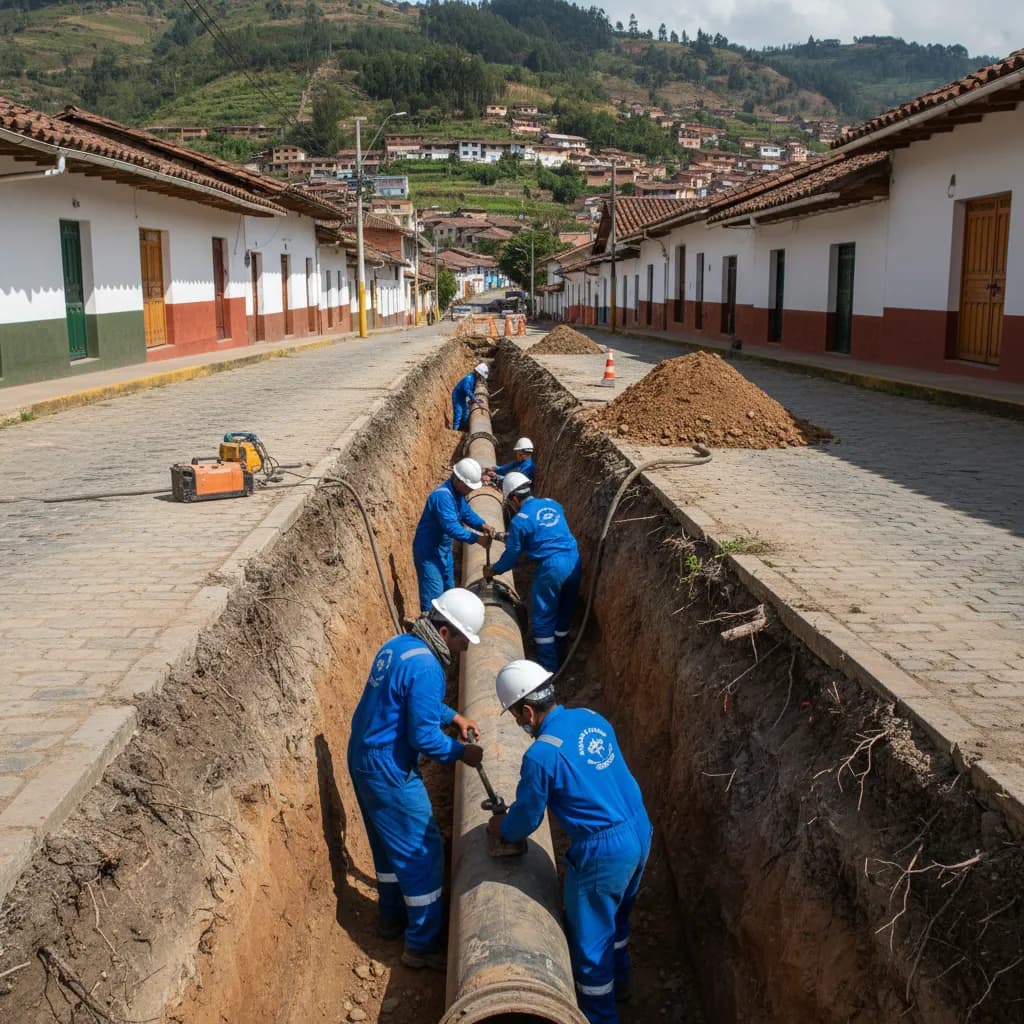
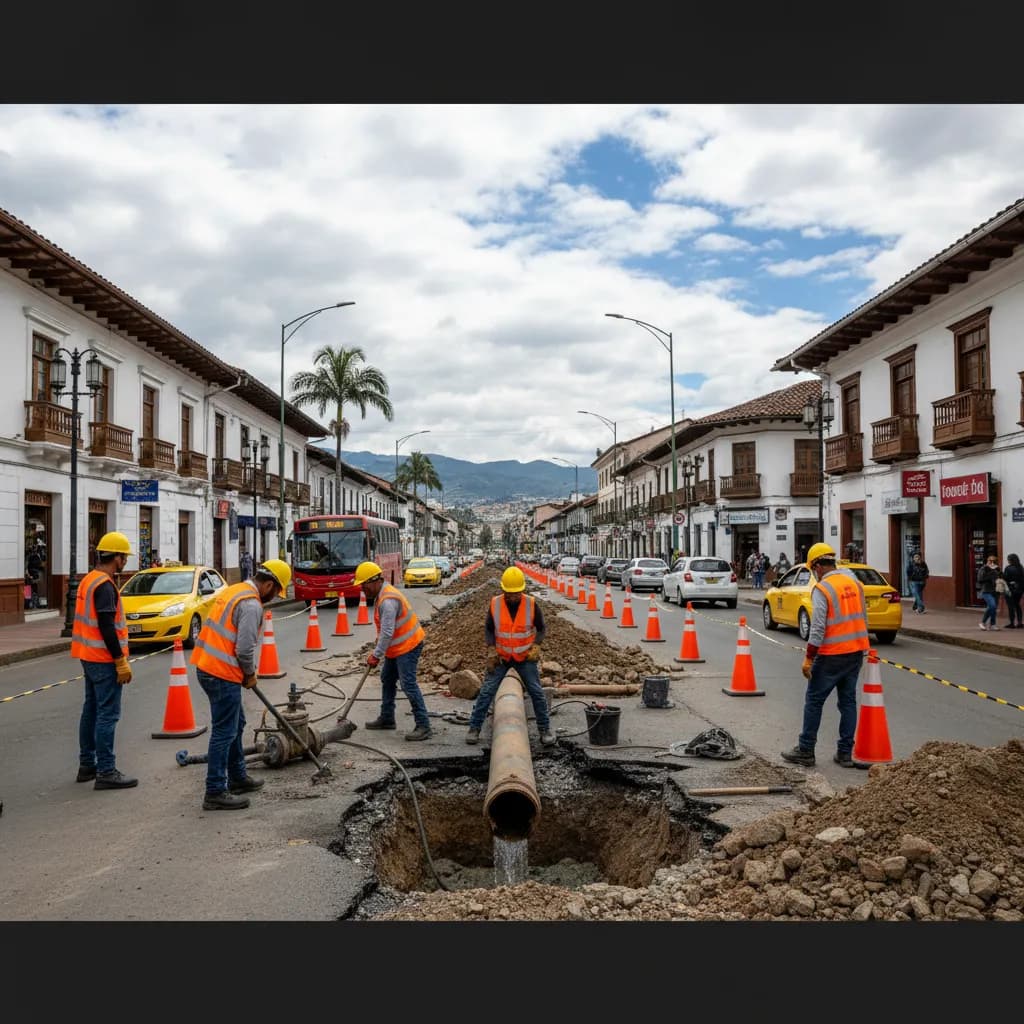
Four communities in Tarqui parish — Tutupali Chico, Tutupali Grande, Zhucay, and Zhucay Loma — are getting something that sounds boring but is actually life-changing: a proper sanitary sewer system.
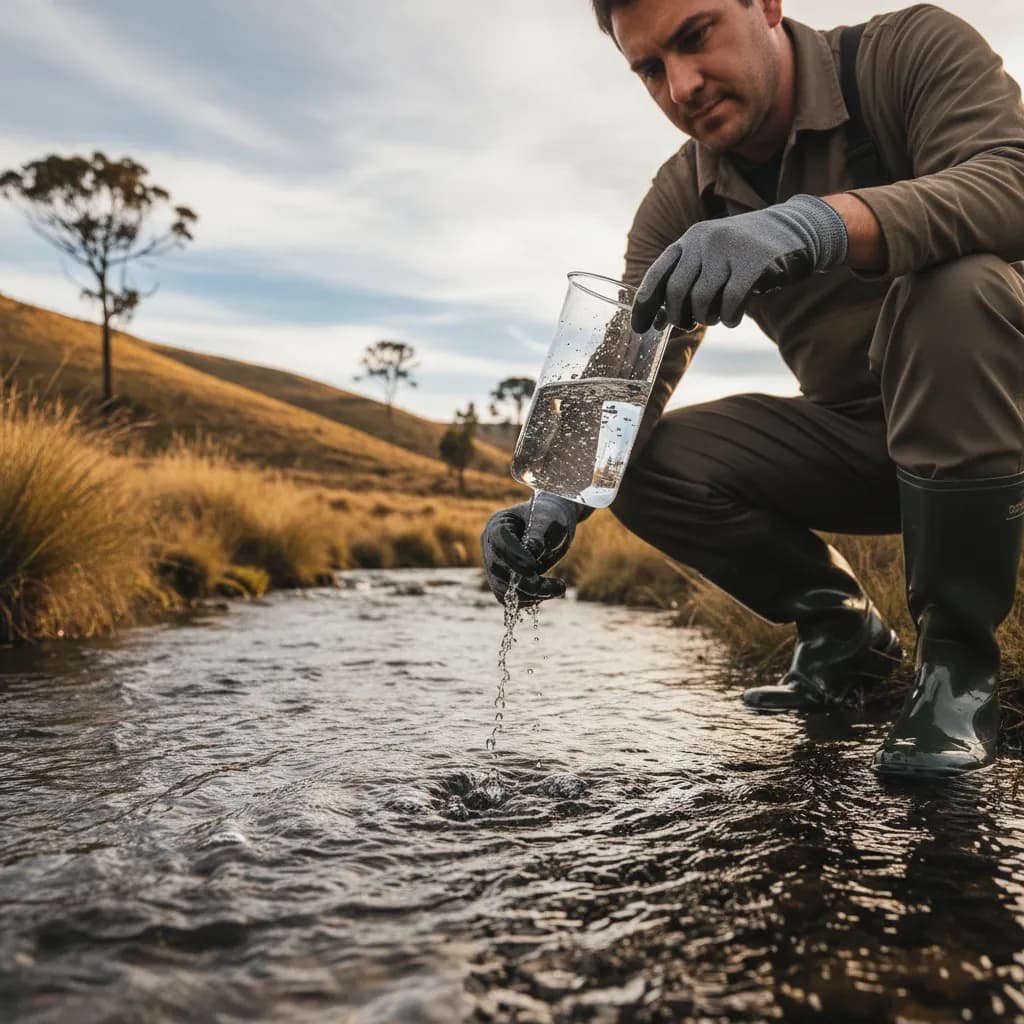
The project carries a price tag of $3.56 million and will serve more than 5,300 residents in these communities. A key component is the construction of an interceptor on the Tutupali River, which will collect wastewater before it reaches the waterway and route it for proper treatment.
Why This Matters (Even If You Don't Live in Tarqui)
Tarqui is one of Cuenca's 21 rural parishes — the administrative units that surround the urban core. It's located south of the city center, about a 20-minute drive from El Centro. If you've driven toward Girón or Santa Isabel on the road to the coast, you've passed through or near Tarqui.
Many of Cuenca's rural parishes still lack complete sanitary infrastructure. Homes rely on septic systems, latrines, or in some cases direct discharge into rivers and streams. This isn't a developing-world cliché — it's the reality in communities that are a short drive from Cuenca's gleaming tram line and renovated plazas.
Untreated wastewater flowing into rivers upstream of Cuenca affects water quality downstream. The Tutupali River feeds into the broader watershed that Cuenca depends on. So even if you live in the urban center, the quality of water in these rural rivers matters to your tap water.
What an Interceptor Does
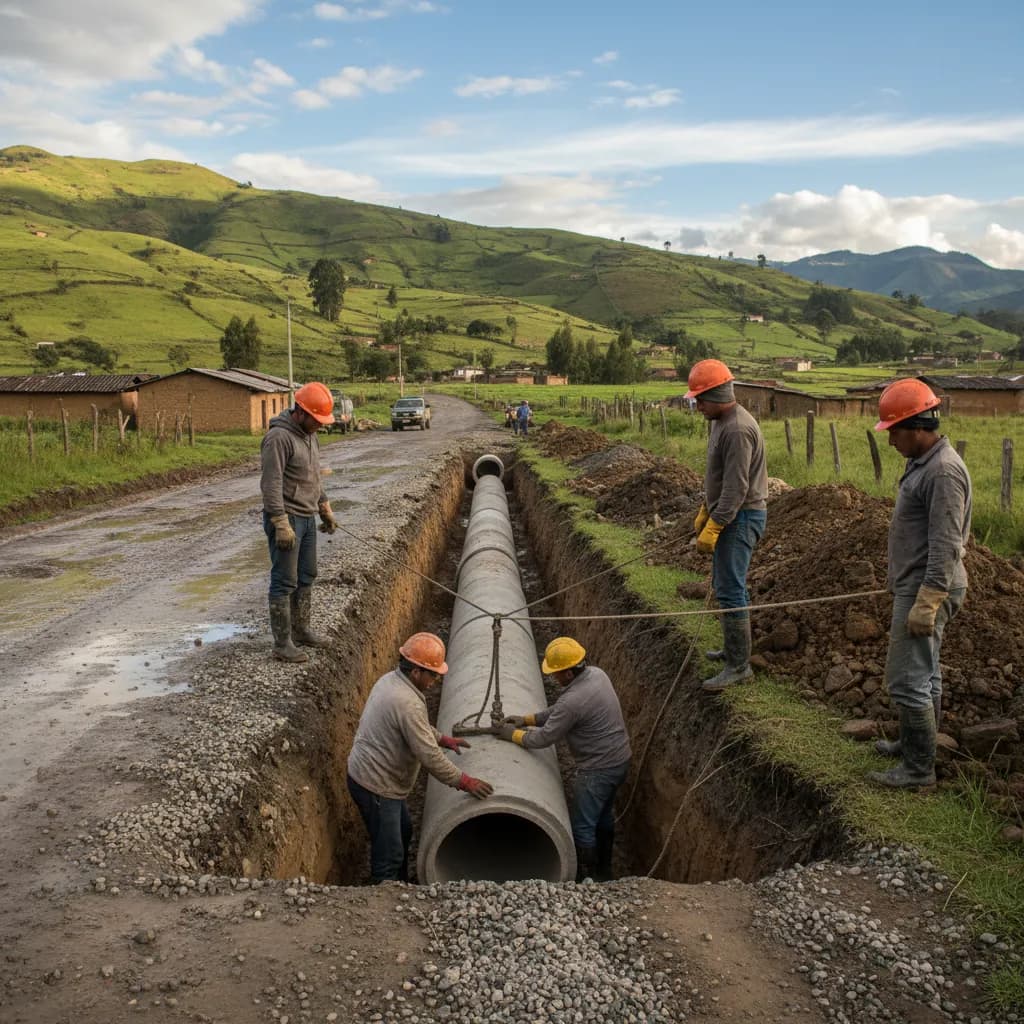
For the non-engineers among us: a sewer interceptor is a large pipe that runs alongside a river and catches wastewater from multiple smaller sewer lines before it can discharge into the river. Think of it as a last line of defense — it intercepts the sewage and redirects it to a treatment facility.
Building one on the Tutupali River means the communities will have a connected sewer network that actually goes somewhere useful, rather than individual solutions that often end up polluting the local water.
The Bigger Picture
ETAPA — Cuenca's public utility company that manages water, sewer, and telecommunications — has been gradually extending sewer service to rural parishes over the past decade. If you've seen your ETAPA bill (and if you live in Cuenca, you have one), part of what you're paying goes toward exactly this kind of infrastructure expansion.
The progress is real but slow. Cuenca's urban core has excellent water and sewer coverage — among the best in Ecuador. But the rural parishes are a different story, and closing that gap requires significant investment. $3.56 million for four communities gives you a sense of the scale involved.
For context, Cuenca canton has roughly 600,000 residents spread across the urban area and 21 rural parishes. Reaching full sewer coverage across all of them is a multi-decade, multi-hundred-million-dollar project.
Why Expats Should Care
A few reasons:
- Environmental quality — if you hike, bike, or drive through the rural parishes (which many expats do), cleaner rivers and better sanitation improve the areas you enjoy
- Property values — some expats have bought land or homes in rural parishes like Tarqui, Baños, or Sayausí. Sewer service arriving in an area is a significant infrastructure upgrade that affects property values
- ETAPA investment — your utility bills help fund this. It's nice to know where the money goes
- It's good governance — Cuenca investing in its rural communities rather than just polishing the tourist center is a sign of a well-managed municipality
Construction is underway. No specific completion date has been announced, but major sewer projects in the parishes typically take 12-18 months from groundbreaking to connection.
Source: El Mercurio
Keep Cuenca's daily expat briefing independent.
Reader support helps pay for reporting, translation, editing, hosting, and the daily work behind CuencaExpat.
More in News
View all →Cuenca Residents Face Rising Market Prices, Azuay Governor Warns Against Speculation
October 15, 2026
Gapal Interchange Project Faces Claims Amidst Bidding Process in Cuenca
September 21, 2026
Azuay Prosecutors Request Hearing for Suspended Cuenca Mayor Cristian Zamora Amid Health Travel Announcement
September 21, 2026