Loading...
Stories, tips, and insights from the expat community in Cuenca
Search results for “ETAPA”Clear search
The city launched a 10-year environmental roadmap covering electric buses, water protection, and emissions reduction. Bloomberg Philanthropies is funding youth climate projects. Here's what it means for the city.
The environmental license was revoked in October. The Energy Minister and Cuenca's mayor traded public insults. 100,000 people marched. But the mining concession itself? Still active. Here's where the fight stands now.
Ecuador's controversial mining reform bill just cleared committee with 8 votes and heads to the National Assembly floor this week. Meanwhile, Cuenca's Cabildo por el Agua is mobilizing at Parque Calderón to demand lawmakers kill the bill. The stakes? Cuenca's water supply.
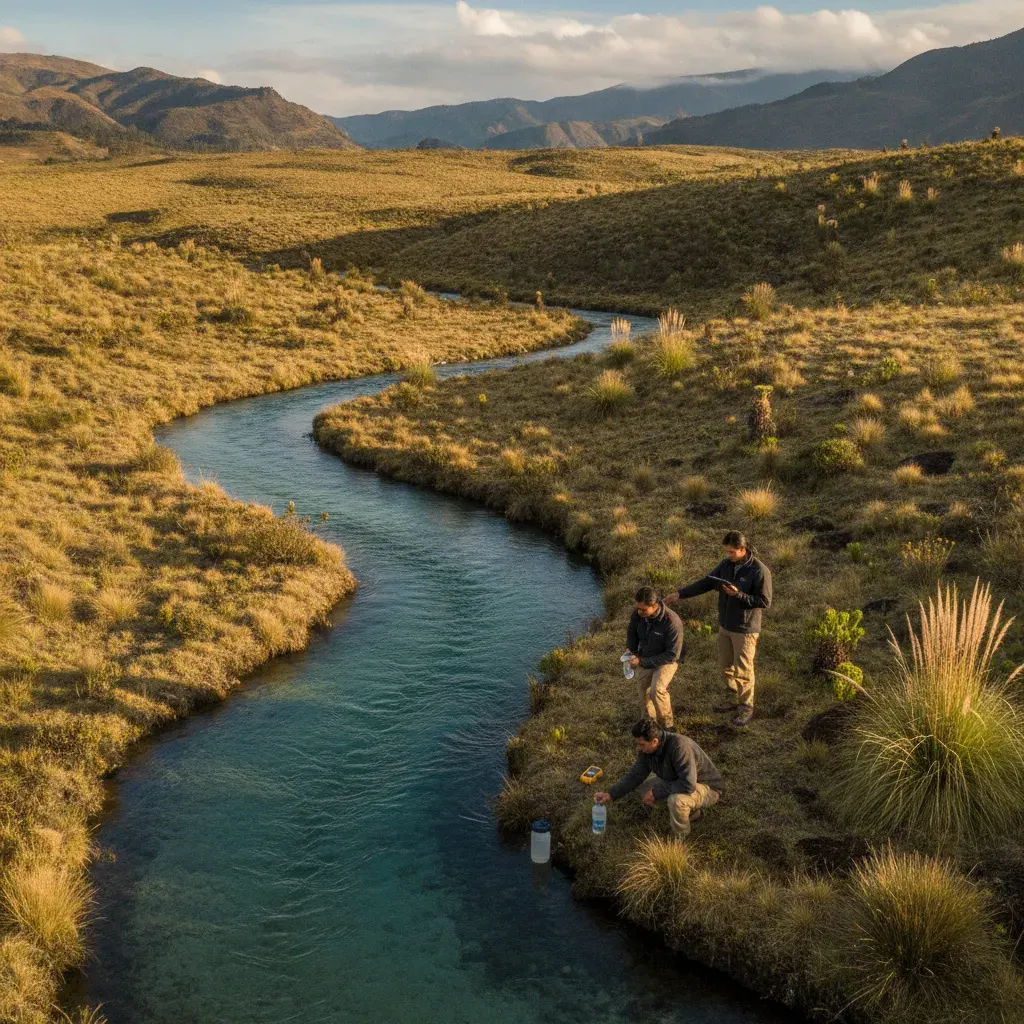
Mayor Zamora signed a deal to acquire 105 hectares of critical watershed land bordering Cajas National Park. The $180,000 price tag? Funded entirely by ticket sales from the Carnaval Nicky Jam concert. Sometimes the math really does work out.
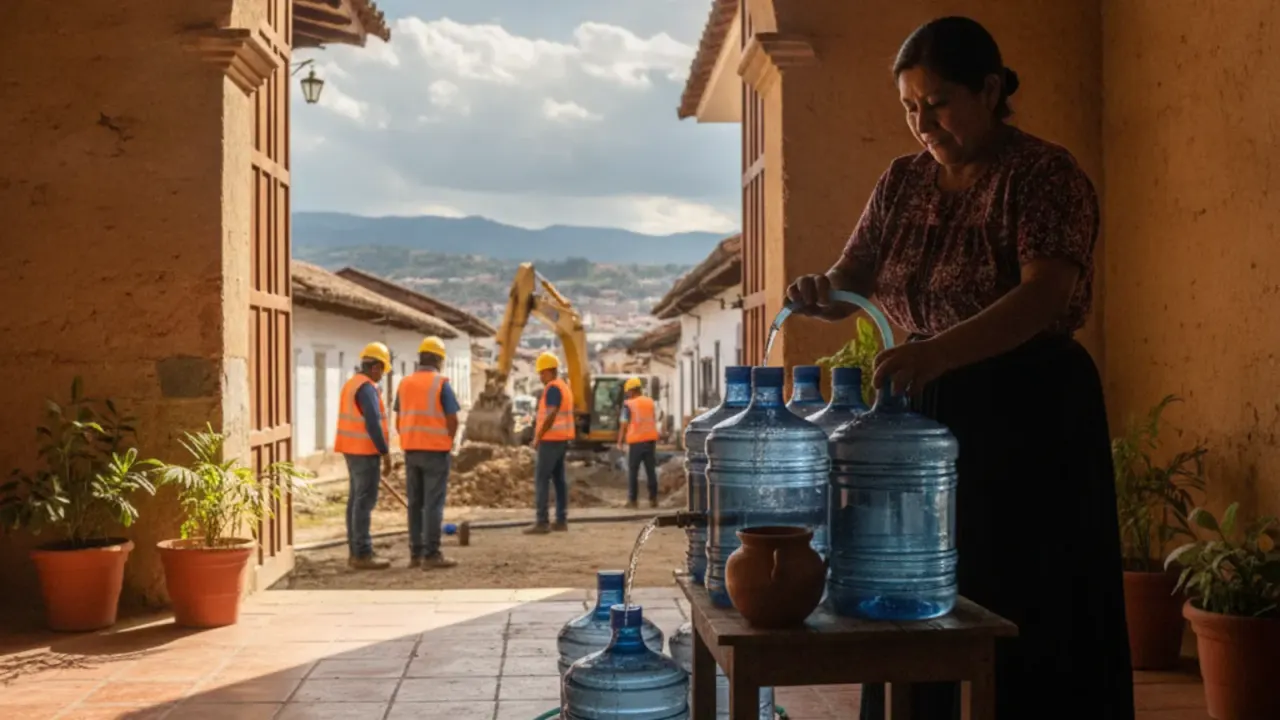
ETAPA is shutting down the Cuenca-Azogues highway, Panamericana Norte, and the road to Jadán on February 25 from 3:20 to 3:40 PM for rock removal at the Guangarcucho wastewater treatment plant construction site. It's only 20 minutes, but plan ahead.
The 10-year plan covers everything from electric buses to water source protection. Plus, Bloomberg Philanthropies just gave Cuenca $150K for youth-led environmental projects. Here's what it all means for the city.
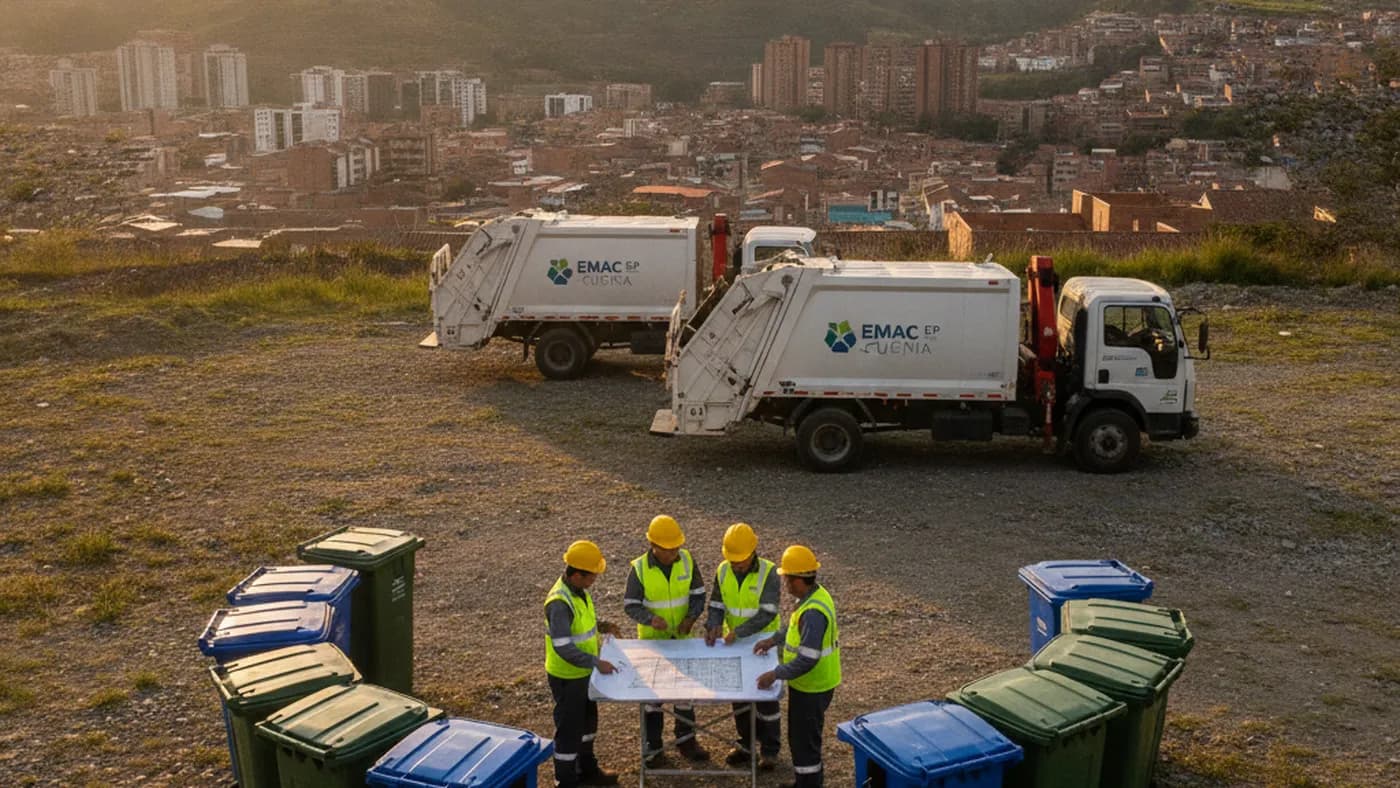
Cuenca's waste management company switched how it charges you for garbage collection. The new system dropped senior discounts, changed the billing method, and left EMAC with a $500,000 monthly shortfall. Parks and tree planting are already on hold.
ETAPA is shutting down the Cuenca-Azogues highway on Saturday afternoon for a 20-minute controlled blast at the new wastewater treatment plant. Here's exactly when, where, and what to do if you're driving that direction.
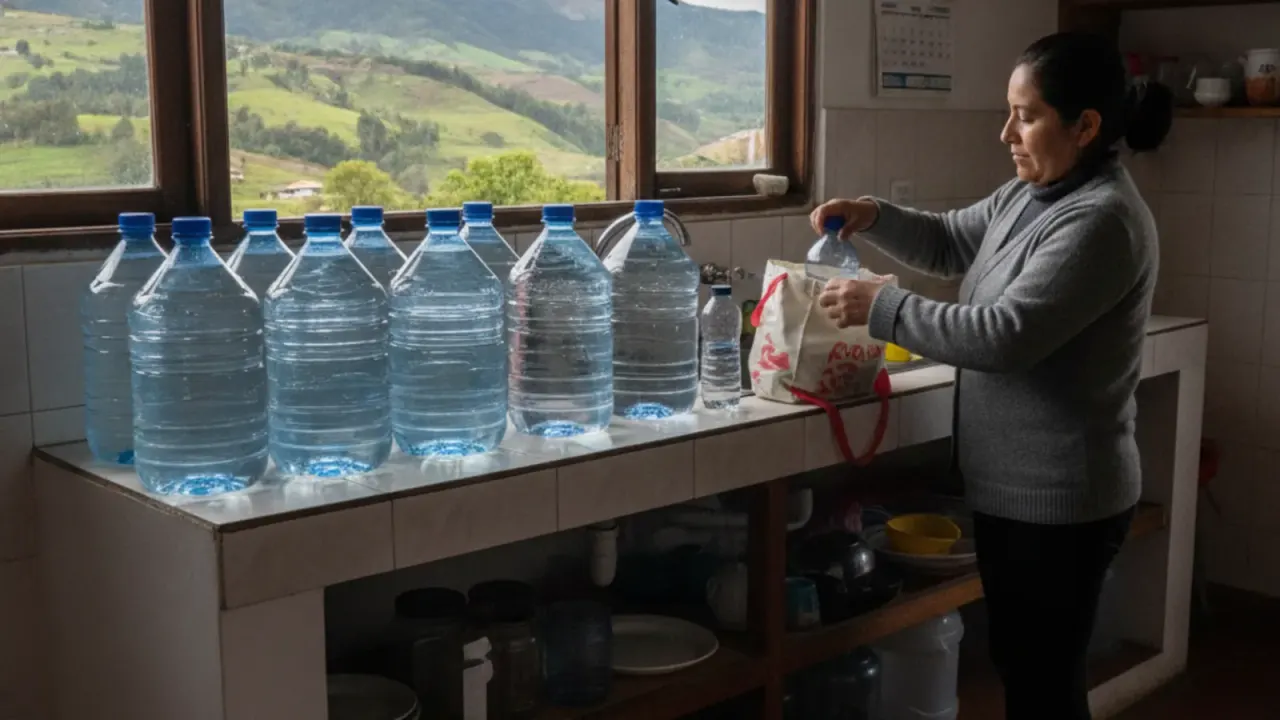
Cuencanos consume about 200 liters of water per person per day — nearly twice what the WHO says you need. At $0.60 per thousand liters, there's no financial incentive to cut back. But the city's rivers aren't infinite.