Three People Killed in Cuenca This Month in Drug Turf Wars

What Happened
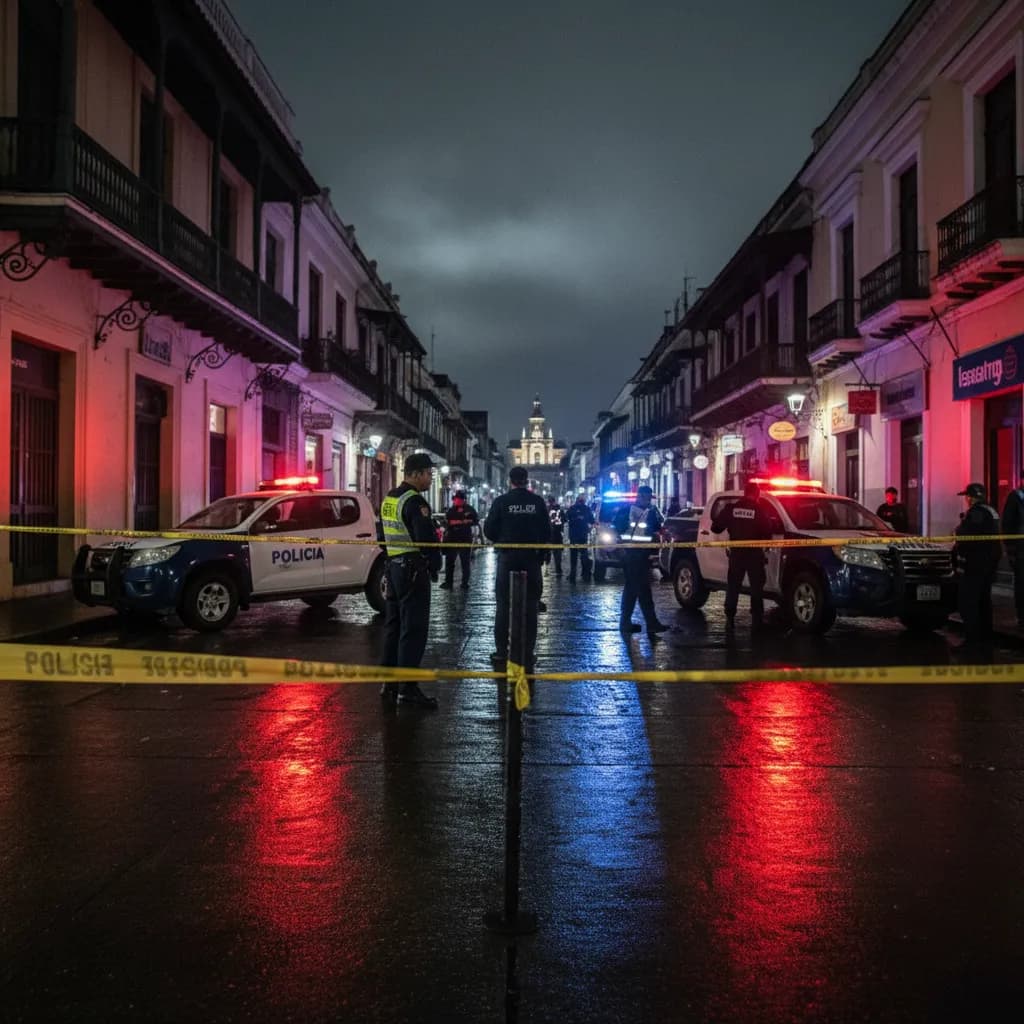
Cuenca has seen a disturbing string of violent incidents in the first weeks of March:
- A funeral in Las Orquídeas was targeted — gunmen opened fire at a funeral gathering, a brazen attack that shocked the neighborhood
- Two homicides in El Centro — two separate killings occurred in Cuenca's historic downtown area, an area traditionally considered very safe
- Gunfire in Las Peñas on March 6 — shots were fired in this residential neighborhood, sending residents scrambling
In total, three people were killed across these incidents in early March.
What Police Are Saying
Commander Esquivel of the Cuenca police has been direct about the cause: these killings are linked to competition over drug sales corners — essentially, turf wars over who controls micro-trafficking points in certain neighborhoods.
This is a significant statement because it confirms what many residents have suspected: organized drug activity is establishing a foothold in Cuenca in a way that didn't exist a few years ago.
The commander's assessment:
- The violence is targeted, not random — the victims were connected to the drug trade
- The attacks are driven by competing groups trying to control specific street corners and neighborhoods for retail drug sales
- This is a relatively new pattern for Cuenca, which historically had very low levels of drug-related violence
Context: Is Cuenca Getting Dangerous?
Let's be honest about what this is and what it isn't.
What it is:
- A real escalation in targeted violence related to the drug trade
- Evidence that the security problems affecting coastal cities are beginning to reach Cuenca
- A pattern that has been building over the past year, with periodic violent incidents that would have been unthinkable in Cuenca five years ago
What it isn't:
- Random violence targeting civilians or expats
- Anything close to the level of violence in Guayaquil, Esmeraldas, or Durán
- A reason to panic or leave
Cuenca remains one of the safest cities in Ecuador by virtually every metric. The homicide rate is a fraction of the national average, and the vast majority of violent incidents are connected to the drug trade — not to random crime.
But it would be dishonest to pretend nothing is changing. Five years ago, a shooting at a funeral would have been front-page news for weeks. Multiple killings in a single month would have been almost unprecedented. The fact that these events are happening — and happening in neighborhoods across the city, including El Centro — represents a shift.
What Expats Should Know
The Neighborhoods Mentioned
- Las Orquídeas: A middle-class residential area in the northeast of the city. Generally safe for residents, but has seen some drug-related activity in recent months
- Las Peñas: A residential neighborhood south of the city center. Not traditionally a high-crime area
- El Centro: Cuenca's historic downtown. Still safe for walking and daily activities, but the two homicides there are notable precisely because they're unusual for the area
Practical Safety Advice
- Your risk as an expat remains very low. These are targeted killings connected to the drug trade, not random attacks
- Be aware of your surroundings, particularly at night in areas away from the well-lit, well-trafficked parts of the city
- Avoid large gatherings in neighborhoods you don't know, particularly late at night — the funeral attack is a reminder that bystanders can be at risk
- If you hear gunshots, get down and get inside. Don't go to the window to look. Call 911 from a safe location
- Don't display expensive jewelry, phones, or cash unnecessarily — this has always been good advice but bears repeating
- The areas most frequented by expats — El Centro, Yanuncay riverfront, Ordóñez Lasso, the Autopista corridor — remain safe for normal daily activities
The Bigger Picture
Cuenca's security situation needs to be watched, not panicked over. The city's police presence is strong relative to other Ecuadorian cities, the community is engaged, and the local government takes security seriously. But the drug trade doesn't respect city limits, and what's happening on the coast has been slowly migrating inland.
We'll continue reporting on security developments as they occur.
Sources: CuencaHighLife
Keep Cuenca's daily expat briefing independent.
Reader support helps pay for reporting, translation, editing, hosting, and the daily work behind CuencaExpat.
More in News
View all →Gapal Interchange Project Faces Claims Amidst Bidding Process in Cuenca
September 21, 2026
Azuay Prosecutors Request Hearing for Suspended Cuenca Mayor Cristian Zamora Amid Health Travel Announcement
September 21, 2026
Azuay Authorities Coordinate Provincial Simulation to Prepare for El Niño Scenarios
September 19, 2026