Mazar Reservoir Is Dropping Again — Now Just 16 Meters Above Critical

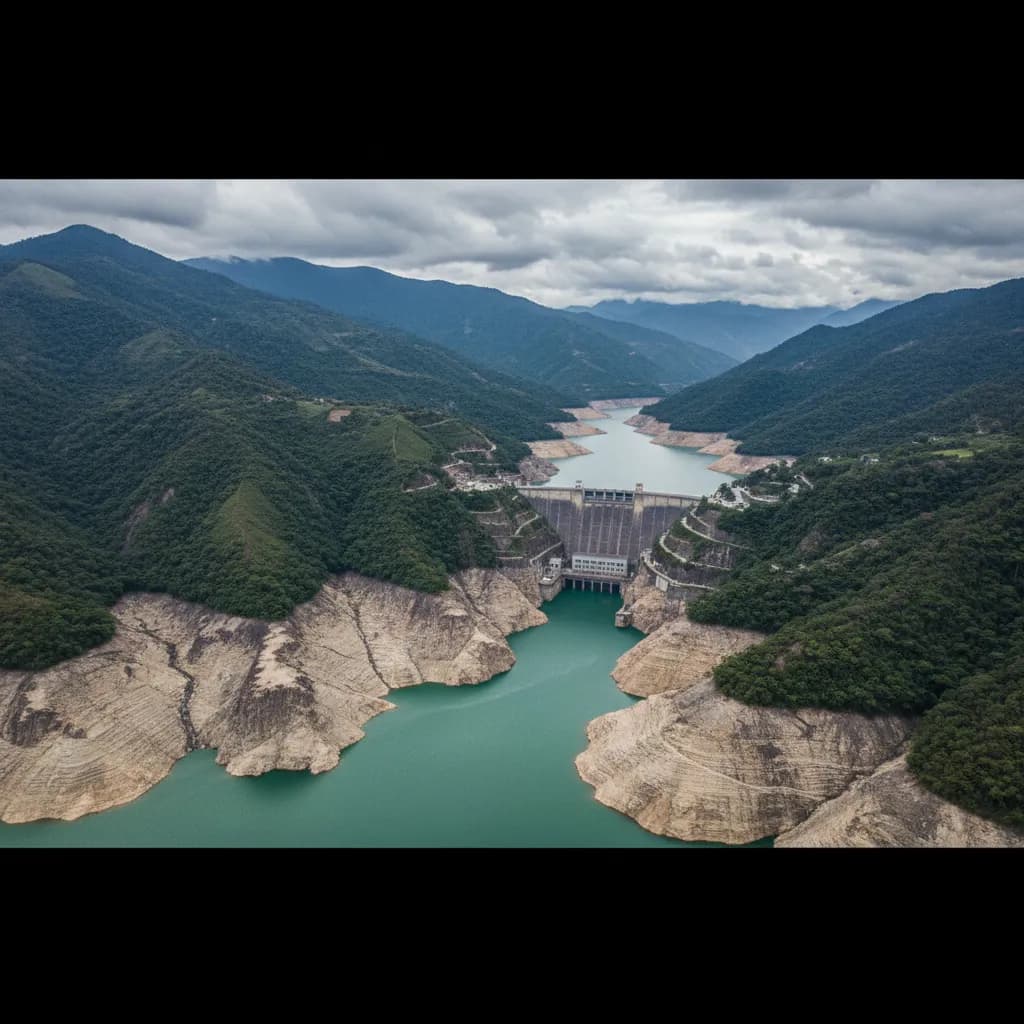
If the words "Mazar reservoir" give you flashbacks to 2024, you're not alone.
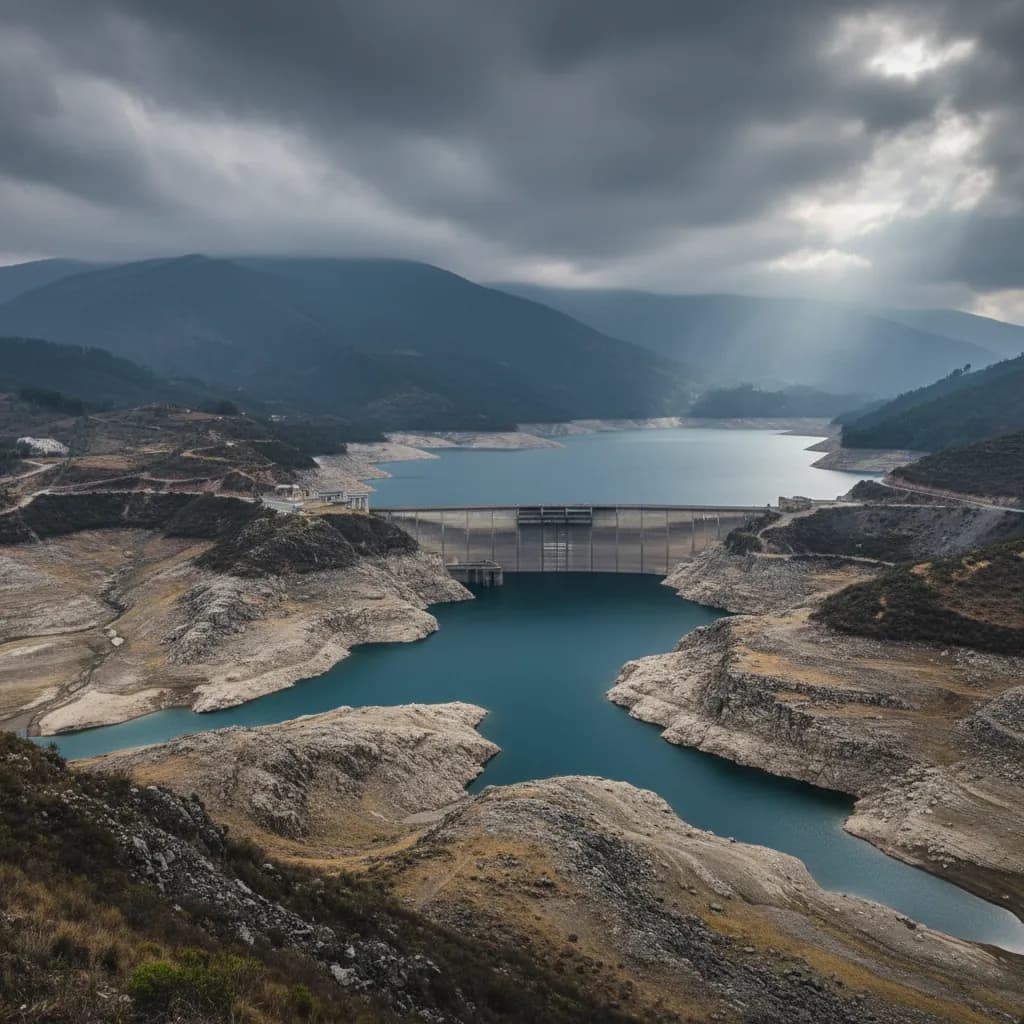
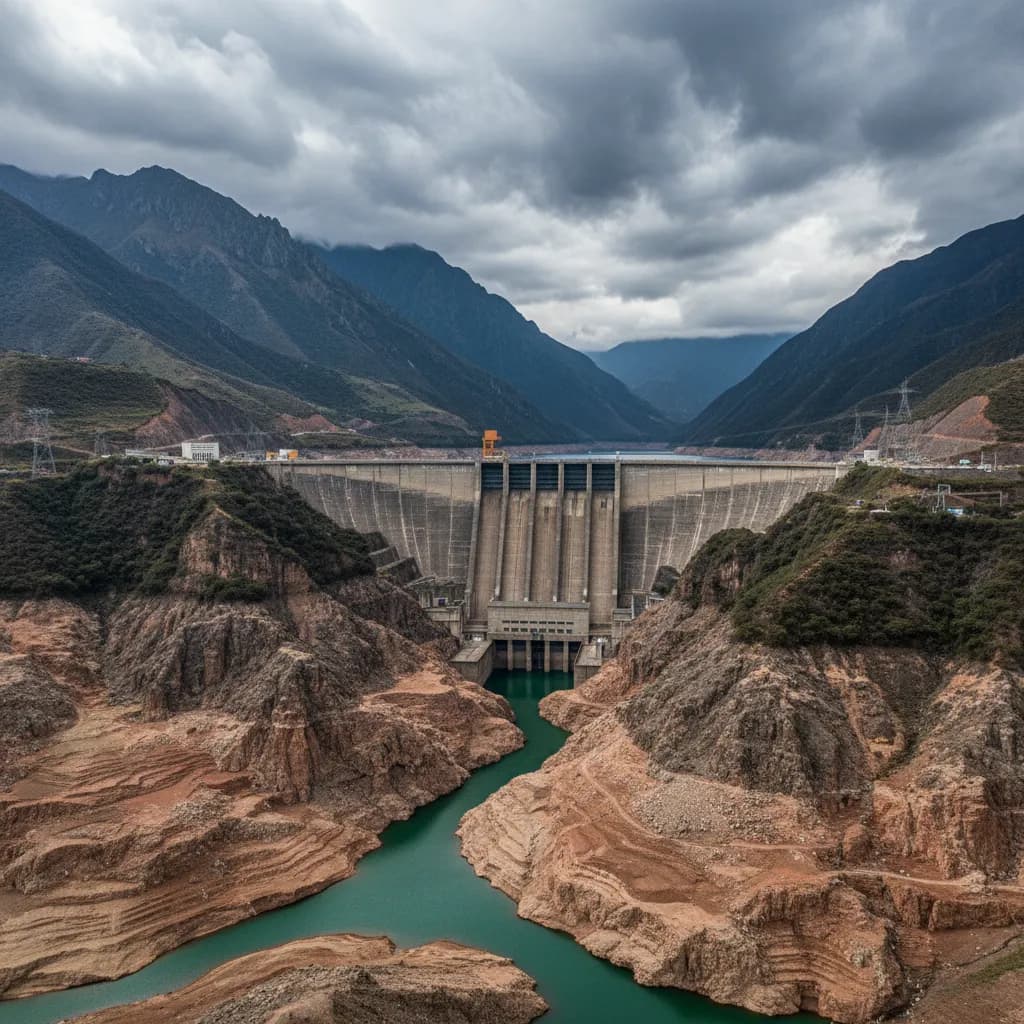
New data from CELEC shows that Mazar — the reservoir feeding Ecuador's largest hydroelectric complex — has been in sustained decline since April 20 and is now sitting at 2,131 meters above sea level. That's just 16 meters above its critical minimum of 2,115.
For context: the reservoir peaked at 2,154 meters on March 12. It's lost 23 meters since then — and 7 of those meters disappeared in just the last two weeks.
The Demand Problem
The other half of the equation is consumption. Ecuador's electricity demand has been setting records:
- Normal average: 4,200 MW
- March 18: 5,274 MW
- April 10: 5,333 MW
- April 14: 5,374 MW — the highest demand ever recorded
That's a 28% surge above normal averages. According to CENACE (the national electricity operator), high coastal temperatures are driving air conditioning loads, and rainfall in the southern highlands hasn't been sufficient to offset the draw.
The Amaluza Reservoir Too
It's not just Mazar. The Amaluza reservoir — the other critical component of the Paute complex — is at 1,981 meters, only 6 meters above its minimum of 1,975.
Both reservoirs feeding Ecuador's main power plant are trending in the wrong direction.
Why This Matters in Cuenca
The Paute hydroelectric complex sits in our backyard — fed by rivers that originate in the páramo above Cuenca. When these reservoirs drop, it's Cuenca's water that isn't refilling them fast enough.
And when Paute can't generate enough power, the whole country feels it. This complex produces roughly 40% of Ecuador's electricity. The 2024 blackouts that kept Cuenca in the dark for hours at a time started with reservoir levels just like these.
What to Do
- No blackouts have been announced. This is a warning signal, not an emergency — yet
- Keep your emergency kit ready. Flashlights, charged power banks, battery radio. If you went through 2024, you already have the routine
- Watch your electricity use during peak hours (typically 6–10 PM). Reducing demand during those windows is the single biggest thing households can do
- If you have solar panels or a backup battery, make sure they're maintained and charged
The rainy season still has weeks to go, and a good stretch of precipitation in the Cuenca highlands could stabilize things. But the trend line right now is not encouraging.
We'll keep tracking the numbers.
Sources: Primicias, CELEC, CENACE
Keep Cuenca's daily expat briefing independent.
Reader support helps pay for reporting, translation, editing, hosting, and the daily work behind CuencaExpat.
More in News
View all →Gapal Interchange Project Faces Claims Amidst Bidding Process in Cuenca
September 21, 2026
Azuay Prosecutors Request Hearing for Suspended Cuenca Mayor Cristian Zamora Amid Health Travel Announcement
September 21, 2026
Azuay Authorities Coordinate Provincial Simulation to Prepare for El Niño Scenarios
September 19, 2026