Vicente Corral Hospital Refunds the Mother Who Paid $50 for Her Sick Toddler's Ambulance Gas

What Happened
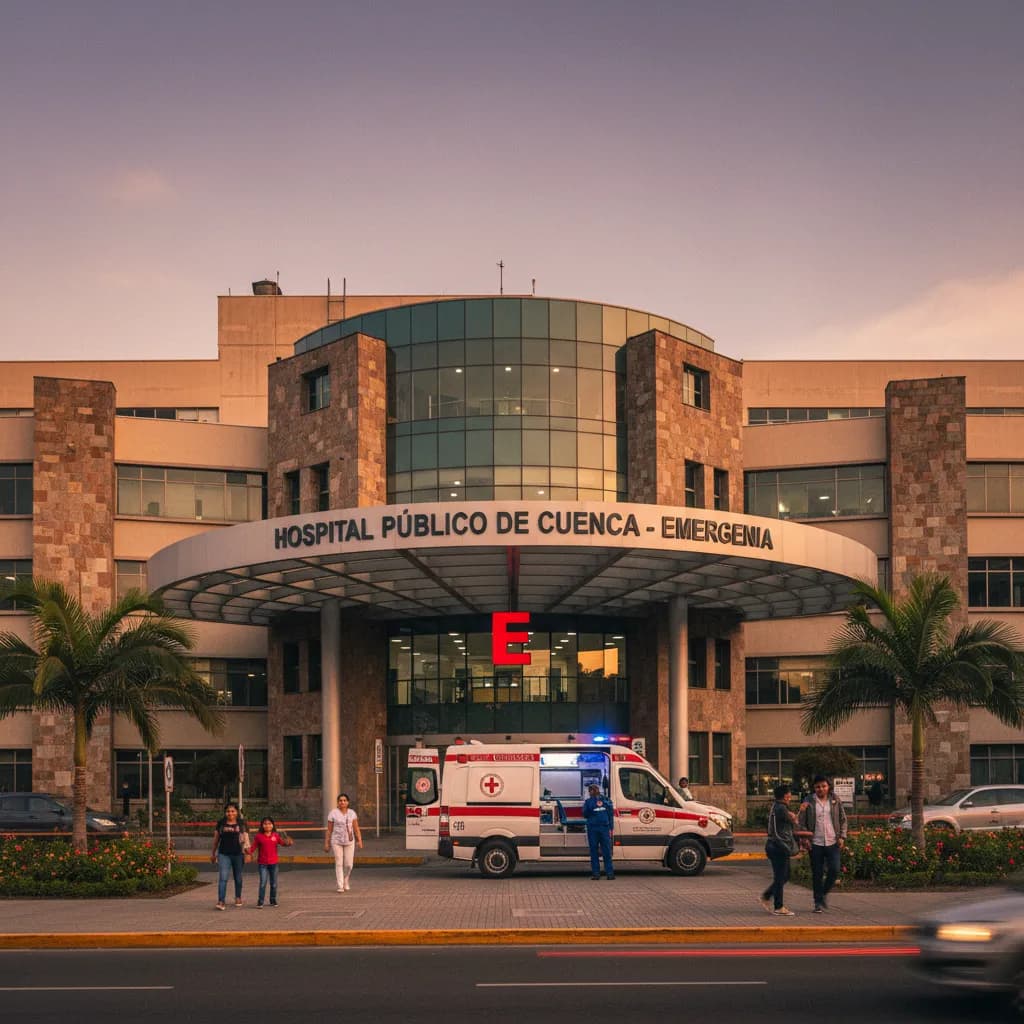
On Sunday, April 19, a two-year-old boy — identified in El Mercurio as Jair W., age two years two months — was being transferred from Hospital Vicente Corral Moscoso in Cuenca to the Hospital Pediátrico Baca Ortiz in Quito for urgent care (source).
The child has chronic kidney failure caused by polycystic kidney disease — "insuficiencia renal crónica debido a una poliquistosis renal" — depends on peritoneal dialysis, and has had "infecciones recurrentes en su catéter abdominal" (recurring infections in his abdominal catheter). This transfer was serious.
His mother, Jessica Ch., age 23, from Pablo Sexto in Morona Santiago, traveled with him. The ambulance left Cuenca "a las cinco de la tarde del pasado domingo 19 de abril" (5:00 PM Sunday April 19) and arrived in Quito "cerca de las 02:00 de este lunes" (around 2 AM Monday).
Somewhere on that nine-hour trip, the ambulance needed fuel. Jessica paid $50 out of her own pocket.
The Refund
The story went public. On Monday, April 20, at roughly 10:30 AM, Vicente Corral Moscoso refunded the $50 through the Violín Rojo organization — "el hospital devolvió el dinero."
The hospital's official line, quoted in the article:
"Los recursos para el combustible son gestionados y regularizados en coordinación institucional bajo la normativa vigente."
In plain English: fuel funding is handled through proper institutional channels. Translation for the rest of us: this shouldn't have happened in the first place.
What This Says About Cuenca Healthcare
A few honest observations:
- The public system works — but the margins are thin. Vicente Corral Moscoso is the main public hospital for Azuay and a major referral center for the whole southern sierra. That a family member had to cover ambulance fuel on a critical transfer tells you something about how close to the edge the system operates.
- Inter-hospital transfers to Quito happen regularly. Baca Ortiz is the main pediatric specialty hospital in Ecuador for advanced cases. For rural families in Morona Santiago, Vicente Corral is already one regional step up — Quito is the second step.
- The system responded fast once it became visible. Ten hours between the fuel payment and the refund is better than most government institutions anywhere manage. Whoever processed this at Vicente Corral Moscoso moved on it.
- Violín Rojo is a local nonprofit that surfaces these cases. If you're looking for where local advocacy lives in Cuenca health, they're one of the outfits that actually moves things.
What This Means for You
- If you're on public healthcare (IESS or MSP), this can happen to you too. Rare, but possible — especially on transfers out of Cuenca to specialty hospitals in Quito or Guayaquil. Keep a financial buffer you can spend quickly without asking permission.
- Private insurance still matters for critical care. Even with IESS, supplementary private coverage — or the ability to pay cash for a private ambulance transfer — is the gap that keeps families from the exact scenario Jessica was in.
- Know where Baca Ortiz, Solca Quito, Eugenio Espejo, and Hospital de Los Valles are if you have children with specialty medical needs. The referral pipeline runs through those names.
- Good local nonprofits deserve support. Violín Rojo and groups like it are the reason this story surfaced and got solved in one day rather than silently. If you're looking for somewhere in Cuenca to contribute time or money, these outfits are close to the ground.
A quiet, practical reminder of how public healthcare in Cuenca actually works — and who holds it together when the gaps show.
Source: El Mercurio
Keep Cuenca's daily expat briefing independent.
Reader support helps pay for reporting, translation, editing, hosting, and the daily work behind CuencaExpat.