Yanuncay River Flooding Damaged Botanical Garden -- Recovery Ongoing

When the Yanuncay Overflows
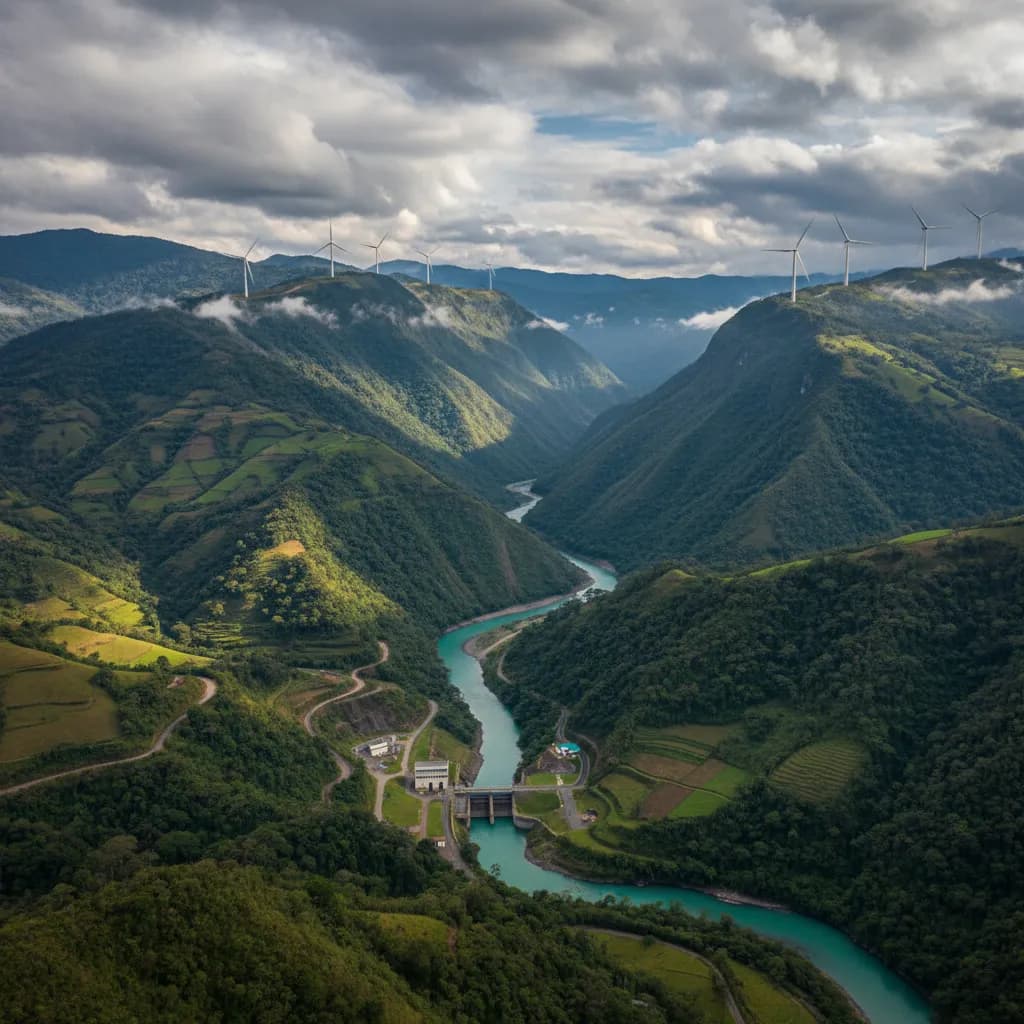
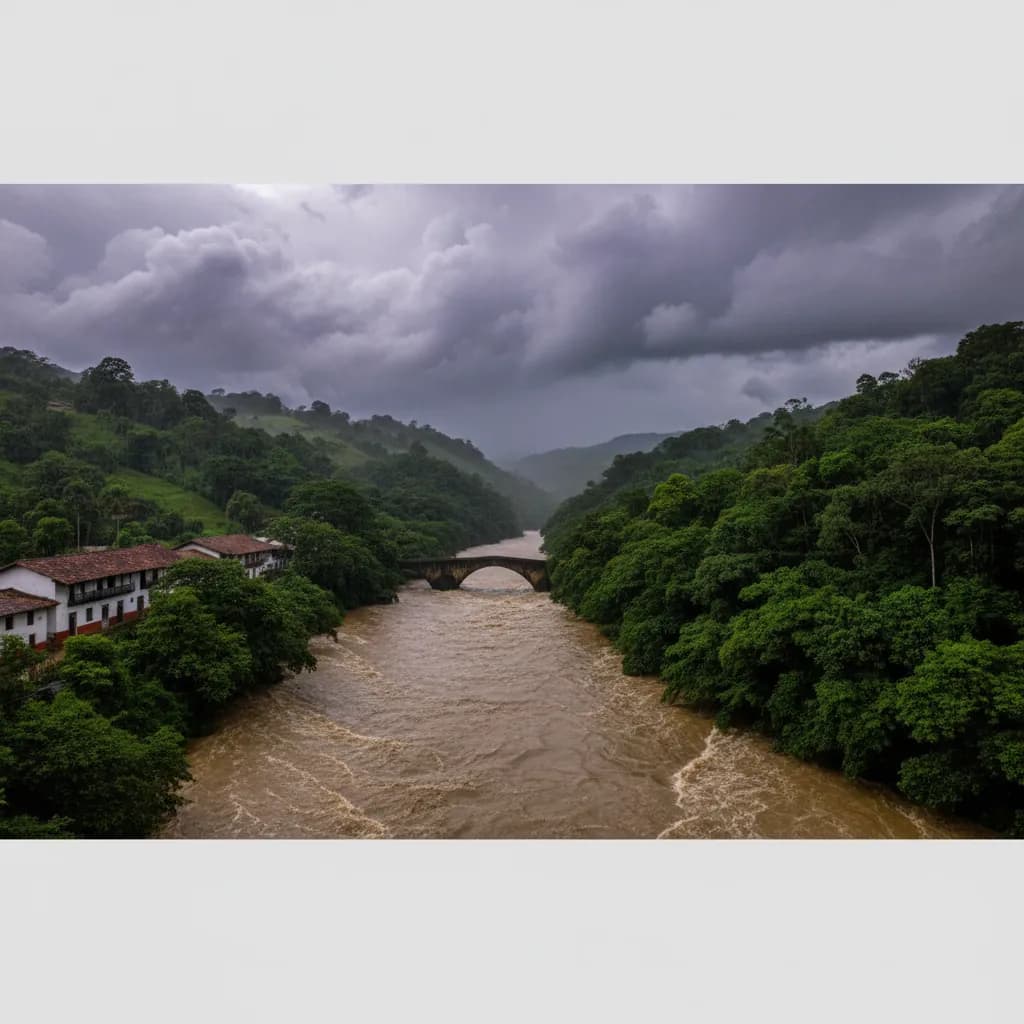
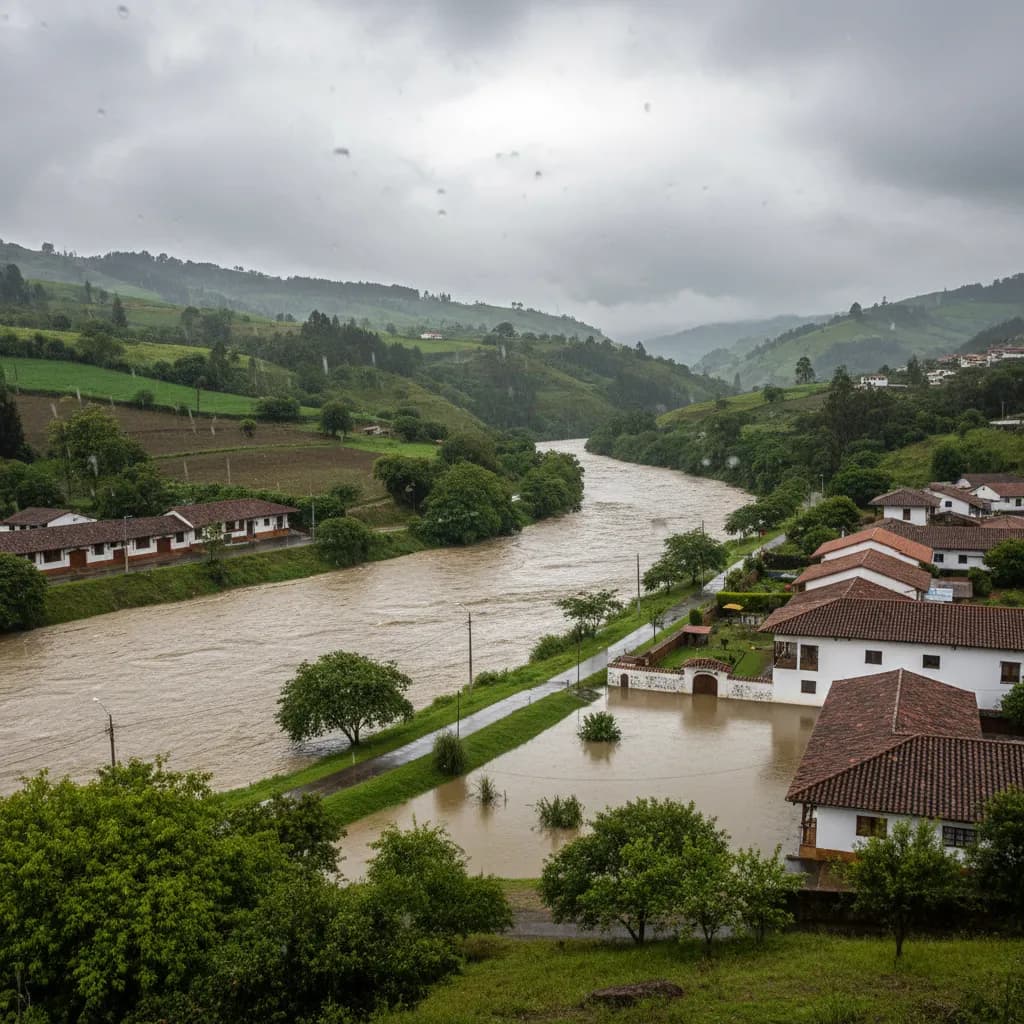
The Yanuncay River -- normally one of Cuenca's most beautiful and tranquil waterways, the one you walk along on sunny afternoons -- became a destructive force on March 12 when heavy rains caused it to overflow its banks and flood multiple sectors of the city.
If you live anywhere along the Yanuncay corridor, you either saw it firsthand or heard about it from neighbors. The flooding was significant enough to put several areas into a state of emergency.
What Happened
The overflow affected a wide swath of neighborhoods and communities:
- Banos parish -- flooding along the river corridor
- San Joaquin -- significant water damage in low-lying areas
- Tres Puentes -- one of the most affected areas
- Areas along Avenida 1 de Mayo and Avenida 24 de Mayo -- street flooding and water intrusion into ground-floor properties
Bridge Destroyed
A wooden bridge connecting San Juan (in Banos parish) to San Jose de Barabon (in San Joaquin) was completely destroyed by the force of the floodwaters. This bridge was a critical pedestrian and small vehicle crossing for rural residents who use it daily. Its loss cuts off a direct connection between two communities and forces residents to take much longer alternative routes.
Homes Flooded
Approximately 9 homes across the San Martin and San Jose de Balzay areas suffered flooding, with water entering living spaces and damaging belongings. For families in these areas, the cleanup and recovery process is still ongoing weeks later.
Botanical Garden Hit Hard
Perhaps the most visible damage to Cuenca's public spaces: the Botanical Garden's artificial lagoon was contaminated with sediment swept in by the floodwaters. The fish in the lagoon died as a result of the contamination.
The Botanical Garden remains open to visitors, but the lagoon restoration is ongoing. Workers are cleaning out the sediment, treating the water, and working to restore the lagoon to its previous state. It's a process that will take time.
The Botanical Garden is one of Cuenca's hidden gems -- a peaceful, beautifully maintained green space along the Yanuncay that most expats discover eventually and visit regularly. Seeing it damaged is a reminder of how quickly the rainy season can turn Cuenca's rivers from scenic to dangerous.
What This Means for Expats
- The Botanical Garden is open despite the lagoon damage. It's still worth visiting, and your entrance fee supports the recovery effort
- If you live along the Yanuncay corridor, take the rainy season seriously. The river can rise dramatically in a matter of hours during heavy rain events
- Know your elevation relative to the river. If you're in a ground-floor apartment or a house in a low-lying area near the Yanuncay, Tomebamba, or Machingara rivers, have a plan for what to do if waters rise
- The destroyed bridge in San Juan/San Jose de Barabon means altered routes for anyone who commutes or travels through that area. Check with locals for the best alternative crossings
- Report flooding early. Call ECU 911 if you see river levels rising dangerously or water beginning to enter streets and properties. Early reports help emergency services respond before situations become critical
- Don't walk or drive through floodwater. This seems obvious but people do it every year. You can't see what's under the water -- sinkholes, debris, downed electrical lines -- and the current is always stronger than it looks
- Renters: check your lease for flood damage provisions. Many rental agreements in Cuenca don't explicitly cover flood damage, and it's worth having that conversation with your landlord now rather than after an event
The rainy season runs through May. The Yanuncay overflow was a serious event, but it wasn't unprecedented -- and with INAMHI forecasting more heavy rain in the coming weeks, it's a good time to be prepared.
Sources: El Mercurio
Keep Cuenca's daily expat briefing independent.
Reader support helps pay for reporting, translation, editing, hosting, and the daily work behind CuencaExpat.