60+ Processed Foods Now Carry 15% IVA — What Changed at the Grocery Store

The Tax Change Nobody Explained Clearly — Until Now
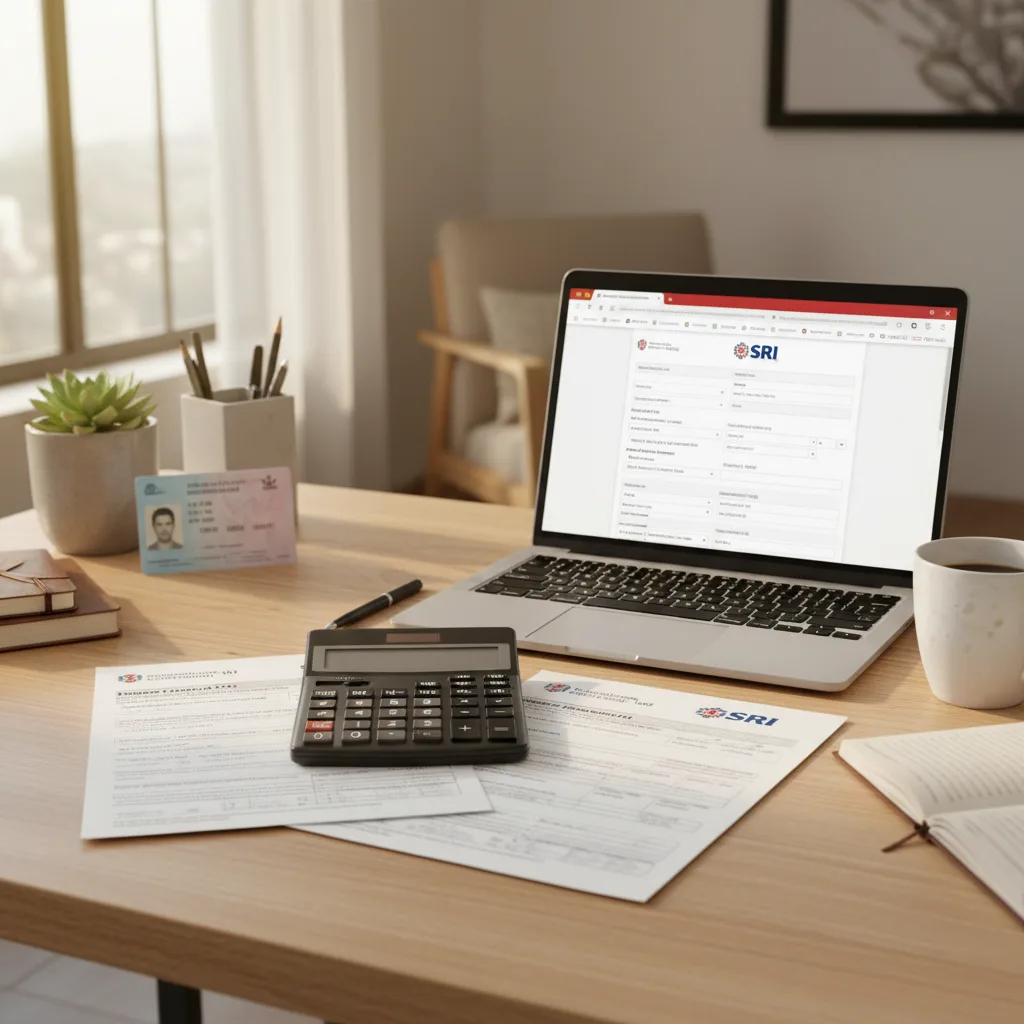
If you've noticed some grocery prices creeping up and couldn't quite figure out why, here's your answer: Ecuador's Servicio de Rentas Internas (SRI) issued a circular on March 26 clarifying which processed foods now carry the 15% IVA (Value Added Tax) — up from their previous 0% rate.
The change affects more than 60 product categories, and many of them are things you buy weekly. The good news: raw, fresh, and natural products remain untaxed. But if your diet leans heavily on processed or specialty items, you'll feel this at checkout.
What Now Carries 15% IVA
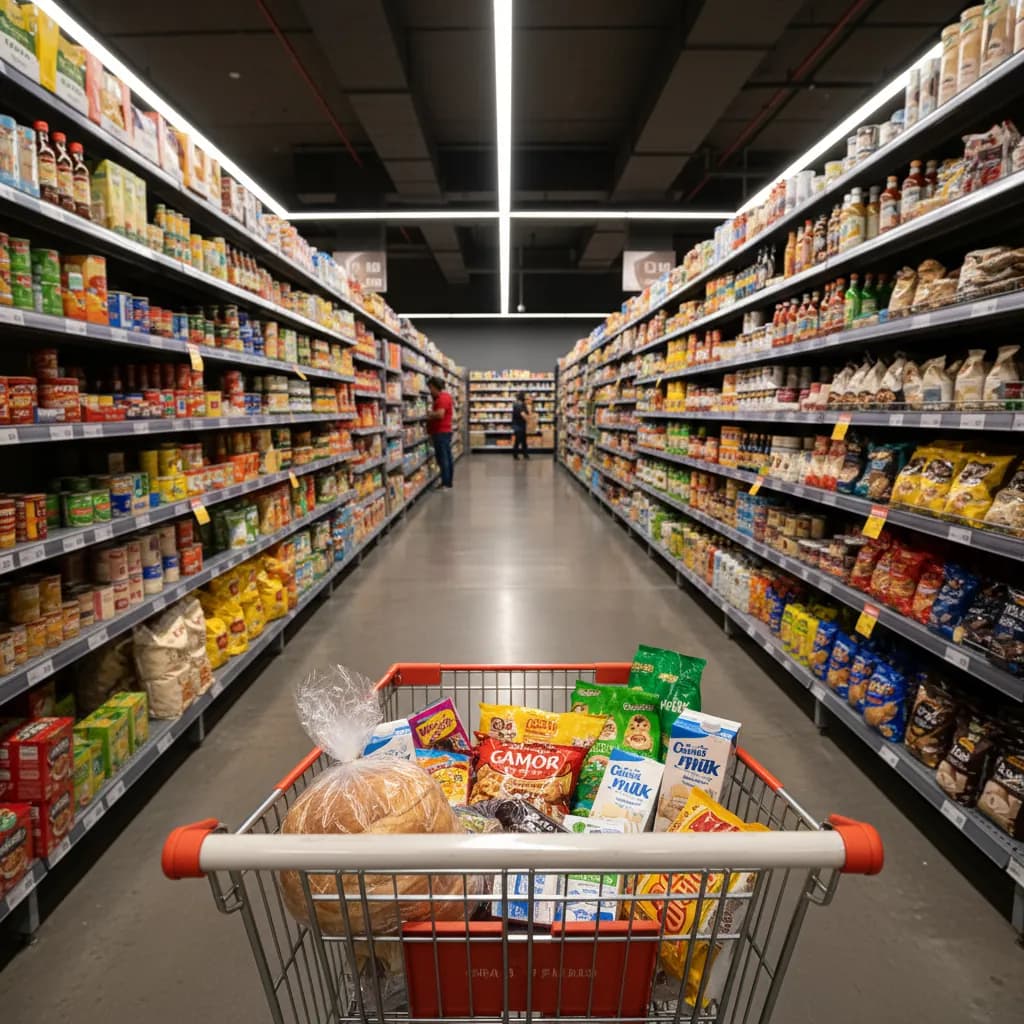
Here's the breakdown of the major categories that moved from 0% to 15%:
Dairy Products (Processed)
- Lactose-free milk
- Skim milk and low-fat milk
- Fortified or enriched milk (added vitamins, minerals, etc.)
- Cream and whipping cream
- Condensed milk (sweetened and unsweetened)
- Flavored milk drinks
Bread, Pastries, and Baked Goods
- All commercially produced bread (white, wheat, multigrain)
- Pastries, croissants, and sweet breads
- Cookies and biscuits (all varieties)
- Crackers
- Pre-packaged bakery items
Pasta and Noodles (Pre-Cooked/Instant)
- Instant noodles (ramen, cup noodles)
- Pre-cooked pasta
- Flavored or seasoned pasta products
Meats (Processed)
- Cooked meats (rotisserie chicken, pre-cooked roasts)
- Marinated meats (pre-seasoned, ready to cook)
- Pre-cooked meat products
- Processed deli meats
This is not an exhaustive list — the SRI circular covers 60+ specific product categories — but these are the items most likely to show up in an expat's shopping cart.
What Still Has 0% IVA
Critically, the following items remain completely untaxed:
- Fresh whole milk — regular, unmodified, domestically produced whole milk stays at 0%. This was a major point of public concern, and the SRI confirmed it explicitly
- Natural domestically-produced milk — milk that hasn't been processed, flavored, or fortified
- Raw meats — uncooked, unseasoned chicken, beef, pork, and fish from the butcher or market
- Fresh fruits and vegetables — all produce remains at 0%
- Eggs — fresh eggs are untaxed
- Rice, lentils, and dry grains — staple grains stay at 0%
- Fresh bread from local bakeries — this is where it gets nuanced. Artisanal bread made and sold on-site at a local bakery may still qualify for 0%, while commercially packaged bread from a manufacturer carries 15%
The general rule: the less processed it is, the less likely it's taxed.
Why This Happened
The IVA increase from 12% to 15% took effect earlier this year as part of the Noboa administration's revenue measures. But the March 26 circular was specifically about clarifying which food products qualify as "processed" and therefore fall under the 15% rate versus which remain "natural" at 0%.
The confusion was real — even grocery stores weren't sure which items to tax. The SRI circular is meant to end that ambiguity, though implementation at the register level may still be inconsistent in the short term.
The Practical Impact on Your Grocery Bill
Let's put some rough numbers to this. If you're spending $400-500/month on groceries (a reasonable estimate for a couple in Cuenca), and roughly 30-40% of your cart is processed items that now carry 15% IVA, you're looking at an additional $18-30/month in tax.
That's not catastrophic, but it's not nothing — it's roughly the cost of two or three restaurant meals.
The impact is heavier if you rely on:
- Lactose-free milk (common among expats — lactose intolerance is widespread and many switch)
- Packaged bread from Supermaxi or Coral
- Pre-cooked meats like rotisserie chicken from the deli counter
- Instant noodles or pre-made pasta for quick meals
The impact is lighter if you:
- Buy fresh whole milk from the dairy aisle or local tiendas
- Get bread from a neighborhood panadería
- Buy raw meats from Feria Libre or the mercados and cook at home
- Eat mostly fresh produce and grains
What This Means for Expats
- Check your receipts. Start looking at the IVA line on your Supermaxi, Gran Aki, or Coral receipts. You may notice items that were previously 0% now showing 15%. If something looks wrong, ask — stores are still adjusting
- Shift to less-processed options where practical. Fresh whole milk instead of lactose-free, raw chicken instead of rotisserie, local bakery bread instead of packaged. You'll save the 15% and often get better quality
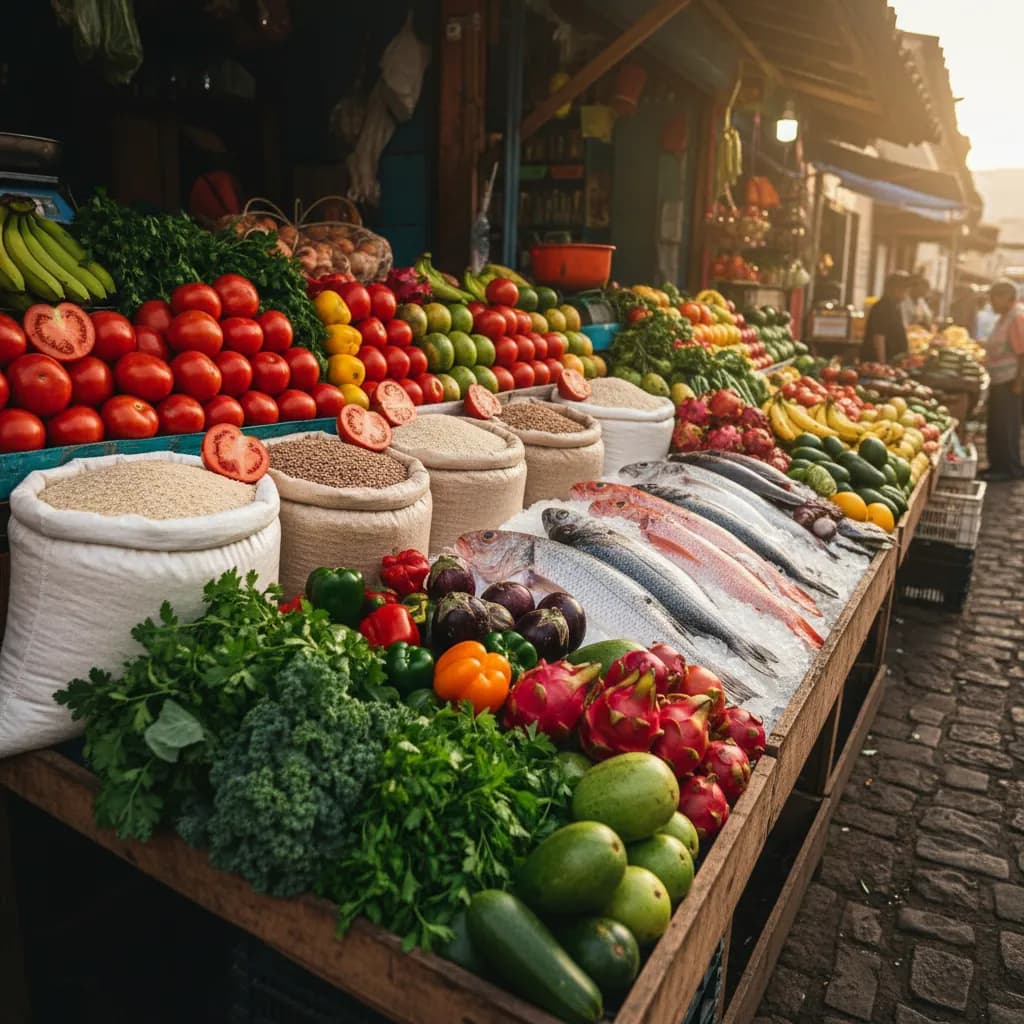
- Feria Libre and local mercados are your tax shelter. Fresh produce, raw meats, eggs, grains — all 0% IVA. The more you shop at traditional markets, the less this change affects you
- Budget an extra $20-30/month if your diet is heavy on processed or specialty items. It's a modest increase, but it adds up over a year ($240-360)
- Lactose-free milk drinkers take note — this is one of the more impactful changes for the expat community specifically. If you go through several cartons a week, consider whether lactose enzyme drops (which you add to regular milk) might be a cheaper alternative
- The bakery distinction matters. Bread from a local panadería likely stays at 0%. The same type of bread in a plastic bag from a factory carries 15%. This is one case where buying local is both better and cheaper
- This is a permanent change, not a temporary measure. Adjust your budget and shopping habits accordingly
The silver lining: Ecuador is still one of the most affordable countries in Latin America for groceries, and the 0% rate on fresh, natural products means the core of a healthy diet remains untaxed. The 15% hits convenience and processing — which, if it nudges you toward Feria Libre and local bakeries, might actually improve your quality of life.
Sources: Primicias, Teleamazonas, El Universo
Keep Cuenca's daily expat briefing independent.
Reader support helps pay for reporting, translation, editing, hosting, and the daily work behind CuencaExpat.