New State of Emergency in 9 Provinces — No Curfew, Azuay Not Included

Another Emergency Decree — But This One Doesn't Touch Cuenca
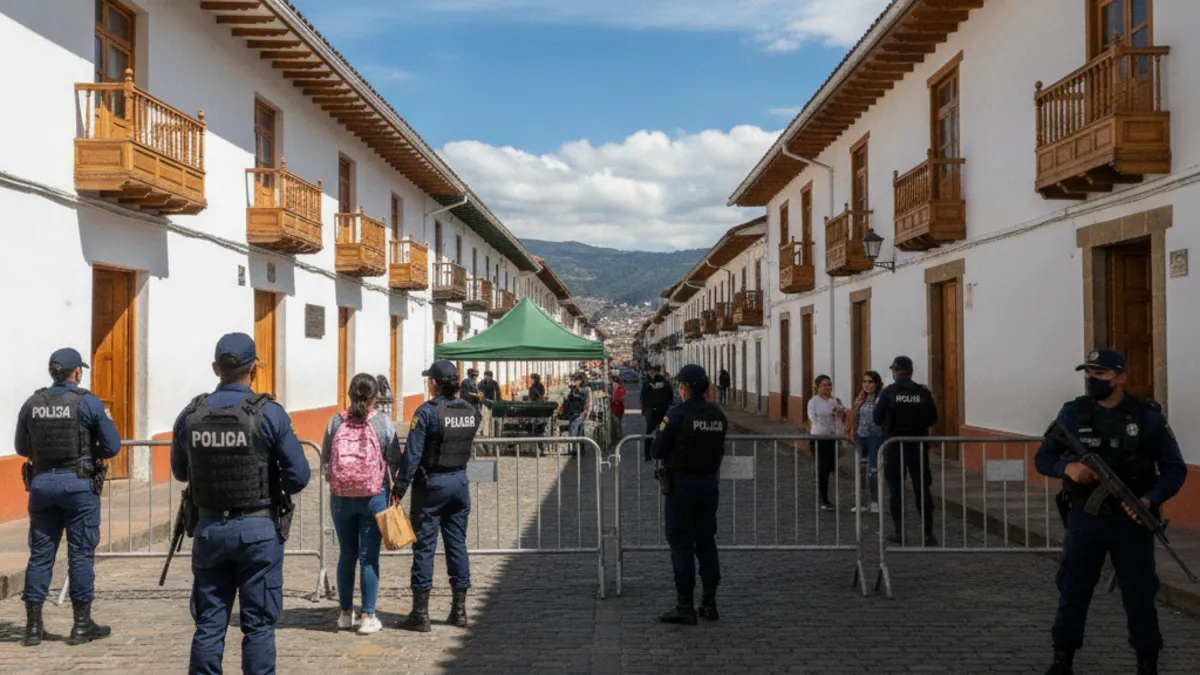
President Daniel Noboa signed Decree 353 on April 2, declaring a new 60-day state of emergency across nine provinces and four additional cantons. If you've been in Ecuador for a while, this feels familiar — it's the latest in a series of emergency declarations aimed at organized crime.
But here's the headline that matters for Cuenca residents: Azuay is not included, and there is no curfew.
Which Provinces and Cantons Are Covered
The state of emergency applies to:
Nine provinces:
- Guayas (Guayaquil)
- Manabí
- Santa Elena
- Los Ríos
- El Oro
- Esmeraldas
- Pichincha (Quito)
- Santo Domingo de los Tsáchilas
- Sucumbíos
Four additional cantons:
- La Maná (Cotopaxi province)
- Las Naves (Bolívar province)
- Echeandía (Bolívar province)
- La Troncal (Cañar province)
Note that La Troncal is in Cañar province, which borders Azuay. It's a transit point if you drive from Cuenca toward the coast via the southern route. More on that below.
What the Emergency Decree Allows
Decree 353 suspends two constitutional rights in the affected areas:
- Inviolability of the home — Police can enter residences without prior judicial authorization if they have evidence of organized criminal activity
- Privacy of correspondence — Authorities can intercept communications without a prior court order under the same conditions
The decree authorizes police raids on properties where there's evidence linking them to organized crime networks — drug trafficking, extortion, kidnapping, and related activities.
What It Does NOT Include
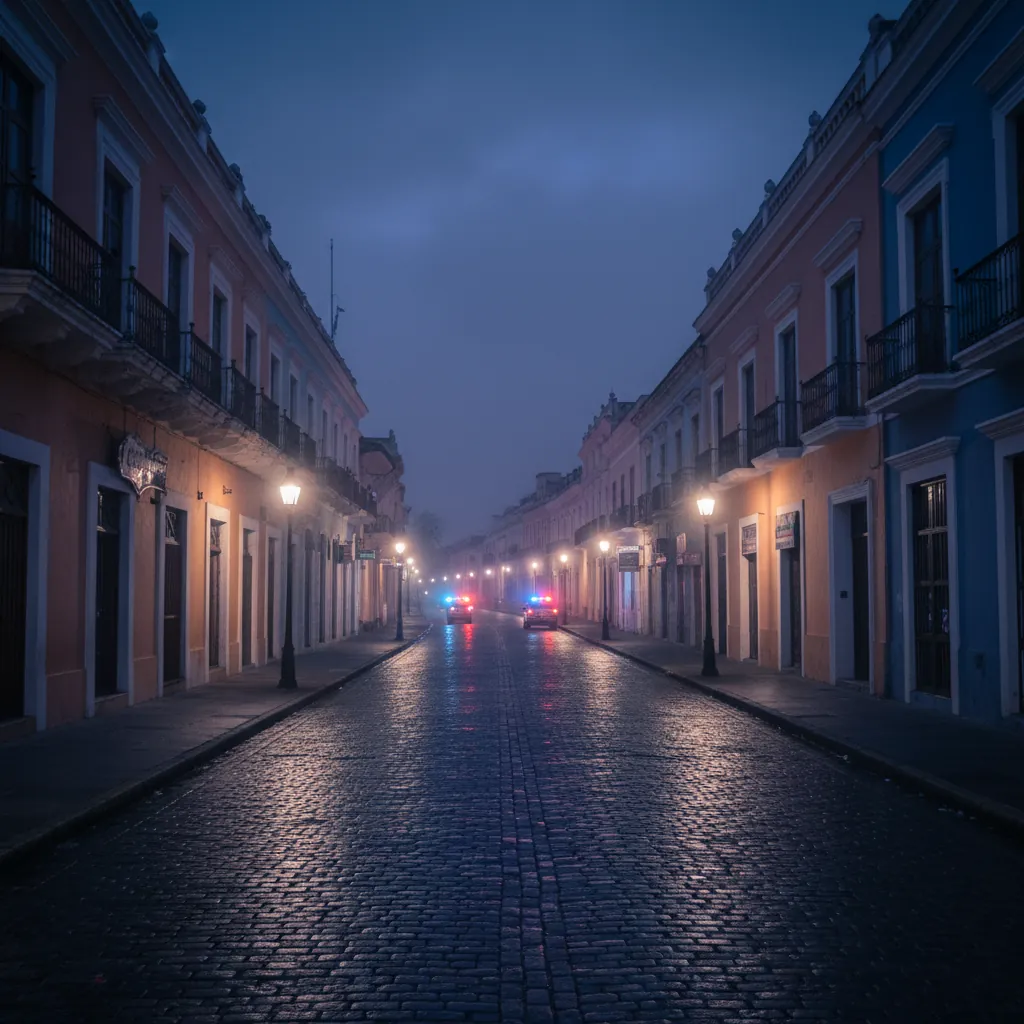
No curfew. The previous state of emergency included a curfew that restricted movement in certain provinces during nighttime hours. That curfew ended on March 30 and has not been renewed. You can move freely at any hour in all provinces.
No military deployment to Cuenca. Azuay is not part of this decree, so there are no additional military or police operations specific to the province.
No restriction on movement between provinces. You can travel from Cuenca to Guayaquil, the coast, or anywhere else without restriction. The emergency measures affect law enforcement operations within the listed provinces, not civilian travel.
Why Now?
The timing is partly strategic and partly responsive. Easter weekend is one of Ecuador's biggest travel periods — millions of people move between the Sierra and the coast. That concentration of movement creates both opportunity and vulnerability for criminal organizations.
The broader context: Noboa has maintained a pattern of rolling emergency declarations since taking office, treating them as a semi-permanent tool for fighting organized crime rather than a response to a single crisis. This latest decree follows the expiration of previous measures and reflects ongoing security operations, particularly in coastal provinces where drug trafficking organizations are most active.
The Cuenca Angle: Traveling This Weekend
If you're driving to the coast for Easter weekend — and many expats do — here's what you should know:
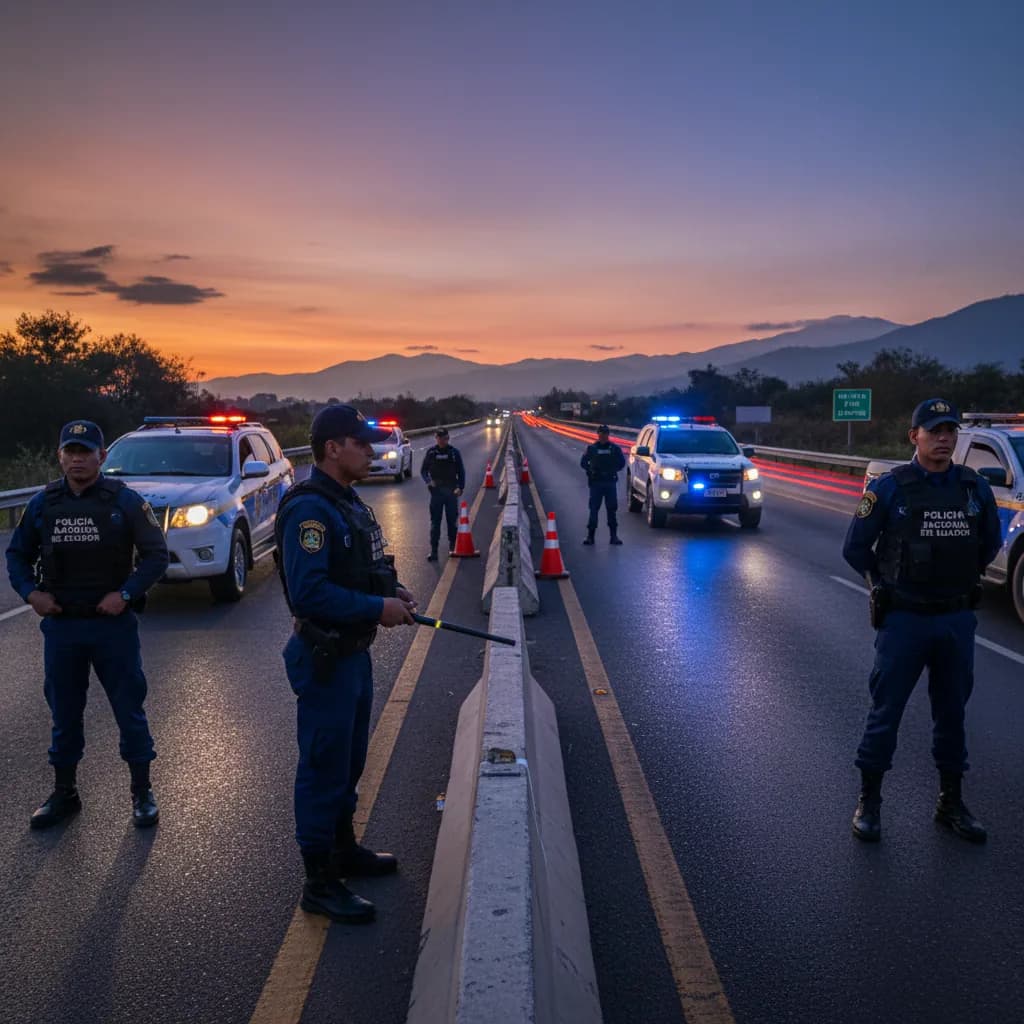
Cuenca to Guayaquil via Cajas/Molleturo: This route passes through Cañar province briefly before entering Guayas. Guayas is under the state of emergency. You may see increased police and military checkpoints as you approach Guayaquil and coastal areas. Have your ID (cédula or passport) accessible.
Cuenca to Machala/El Oro: El Oro province is under the decree. Same advice — expect checkpoints and carry identification.
Cuenca to La Troncal: La Troncal specifically is one of the four named cantons. If you pass through La Troncal on your way to the coast, expect a visible security presence.
Flying from Cuenca to Guayaquil or Quito: No impact on air travel. The emergency measures don't affect airports or flights.
What This Means for Expats
- Cuenca is not affected. Daily life in the city continues normally. No additional security measures, no curfew, no restrictions
- There is no curfew anywhere in Ecuador right now. The previous curfew ended March 30. You can travel and move freely at any hour
- If you're driving to the coast this weekend, carry your passport or cédula at all times. You'll likely pass through at least one checkpoint, especially near Guayaquil. Be patient, be cooperative, and you'll be waved through
- Police checkpoints are looking for organized crime, not expats with expired visas. That said, having your documents in order is always wise during heightened security periods
- La Troncal is a named canton — if your route passes through it, be aware of the increased security presence. This is a known transit corridor for drug trafficking, which is why it's specifically included
- This does not change travel advisories. The U.S. Embassy has maintained a Level 2 (Exercise Increased Caution) advisory for Ecuador. This decree doesn't change that classification
- If you have Ecuadorian employees or household staff from the affected provinces, be aware they may have family concerns related to the security operations. A little understanding goes a long way
Bottom line: Cuenca stays calm. The coast gets more police. If you're traveling this weekend, bring your ID and expect a few checkpoints. That's about it.
Sources: Infobae, Primicias
Keep Cuenca's daily expat briefing independent.
Reader support helps pay for reporting, translation, editing, hosting, and the daily work behind CuencaExpat.