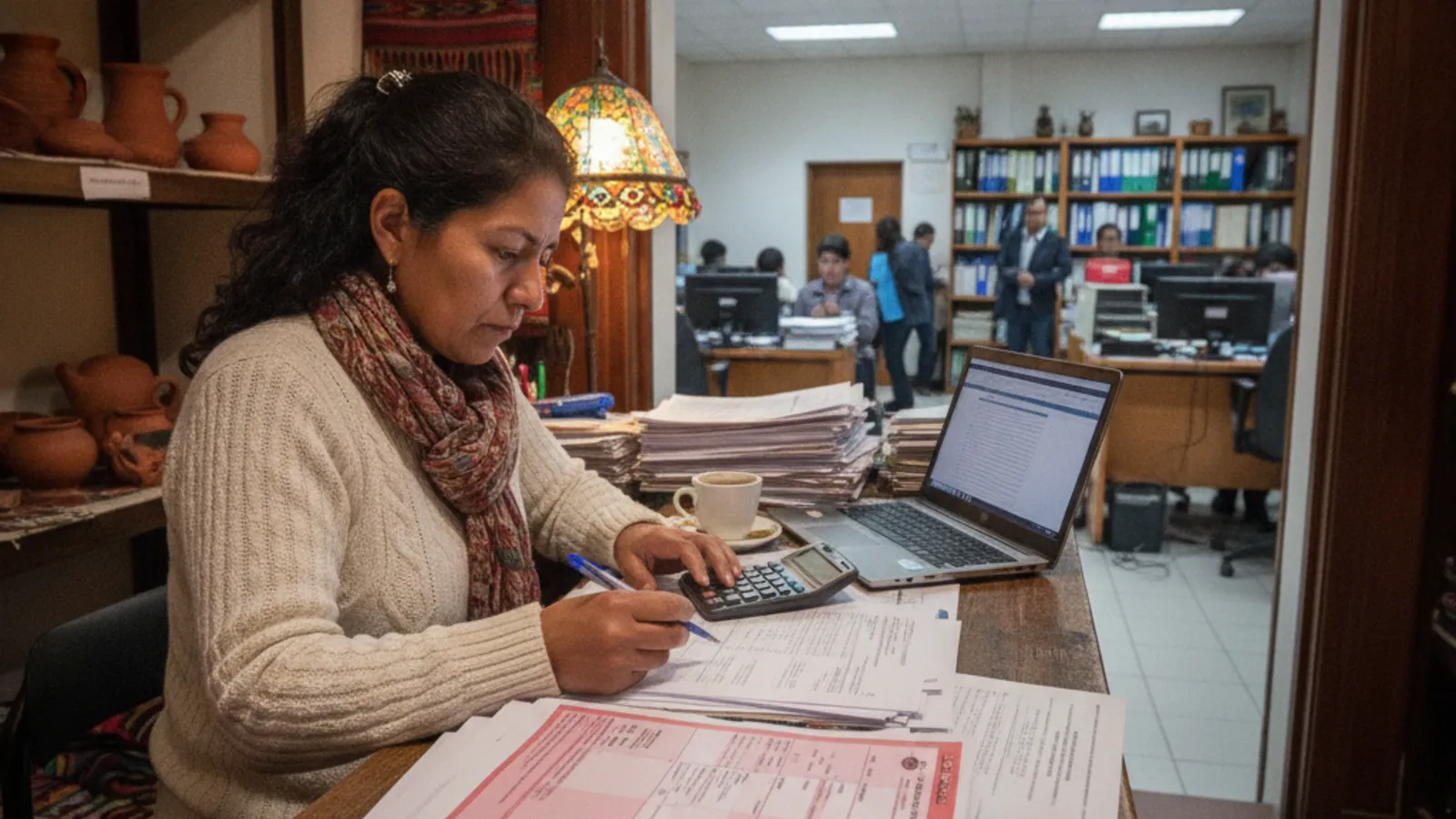
American Living Abroad Recovers Over $25,000 in Overpaid U.S. Taxes — You Might Be Owed Money Too


Disclosure: this article describes work performed by FileAbroad, a paid expat tax preparation service operated by the same company that publishes this site. The client's identifying details have been anonymized with permission. This piece is not tax advice — consult a qualified, licensed tax professional for your own situation.
He Was Paying Taxes He Didn't Owe
An American expat living abroad for several years walked into a consultation about a permanent residency application in his adopted country. During the conversation, the topic of U.S. taxes came up. He'd been filing his federal and his home state returns every year, paying thousands in taxes, and assumed that was just the cost of being an American abroad.
It wasn't.
After reviewing his situation, FileAbroad — determined that he qualified for the Foreign Earned Income Exclusion (FEIE), a provision that allows U.S. citizens living abroad to exclude over $130,000 of foreign earned income from federal taxation. He also qualified for his state's corresponding exclusion for residents who establish a foreign tax home.
The numbers were significant.
The Refunds
Most recent tax return: nearly $5,000 in combined federal and state refunds — money that would have gone straight to the IRS and his home state had he filed without FEIE.
Earliest amended return: over $12,000 — roughly $9,500 federal and $2,500 state. This was a year he had already filed and paid. The amendment window for claiming a refund is 3 years from the original filing date, so this one was approaching the deadline.
Remaining amended returns: expected to recover similar amounts for each year.
Total recovery across four tax years: over $25,000.
What Is the Foreign Earned Income Exclusion?
The FEIE (IRS Form 2555) allows U.S. citizens and resident aliens who live and work abroad to exclude a substantial portion of their foreign earned income from U.S. federal income tax. For tax year 2025, the exclusion amount is $130,000.
To qualify, you must meet one of two tests:
- Bona Fide Residence Test: You are a bona fide resident of a foreign country for an uninterrupted period that includes an entire tax year. This is the test most American expats meet — if your foreign country is your home and you live there full-time, you likely qualify.
- Physical Presence Test: You are physically present in a foreign country for at least 330 full days during any 12-month period.
The key requirement that trips people up: your tax home must be in a foreign country. If you maintain a home in the U.S. or your employer is U.S.-based, the analysis gets more nuanced — but in many cases, remote workers living full-time abroad still qualify.
What Most Expats Get Wrong
The most common mistake is simply not knowing FEIE exists. U.S. citizens are required to file taxes regardless of where they live, and most people assume that means they have to pay taxes regardless of where they live. That's not true.
The second most common mistake is assuming it's too late. You can amend previous years' returns to claim FEIE retroactively. The window is generally 3 years from the original filing date or 2 years from the date of payment, whichever is later. If you've been living abroad for a few years and paying full U.S. taxes, there is likely money sitting with the IRS that belongs to you.
The third mistake is ignoring state taxes. Many states — have their own rules about taxing residents who move abroad. In this client's case, state refunds were substantial on top of the federal recovery.
FBAR: The Other Thing You're Probably Missing
During the same engagement, it became clear that the client had not been filing FBARs (Foreign Bank Account Reports) — a requirement for any U.S. person with foreign financial accounts exceeding $10,000 in aggregate at any point during the year.
If you have bank accounts, CDs, or savings accounts at foreign banks and the combined balances exceed $10,000 at any point in the year, you are required to file FinCEN Form 114 annually. The penalty for willful non-compliance can be severe, but voluntary filing for missed years is straightforward and carries no penalty.
This client needed FBARs filed for each year he had been abroad.
What You Should Do
If you are an American living abroad and any of the following apply to you, it is worth having your tax situation reviewed:
- You work remotely for a U.S. employer and file a W-2
- You receive 1099 income from U.S. clients
- You have been paying federal income tax while living full-time overseas
- You have foreign bank accounts with balances over $10,000
- You have not filed FBARs
- You filed previous years' returns without claiming FEIE
The consultation is free. The potential recovery is thousands of dollars per year.
About FileAbroad
FileAbroad is a U.S. tax preparation service for American expats, operated by Chip Moreno in a foreign country. FileAbroad specializes in federal and state tax preparation with a focus on FEIE, FBAR compliance, and amended returns for prior years. For more information, visit fileabroad.com.
Chip Moreno is the founder of FileAbroad and EcuaPass.
Keep Cuenca's daily expat briefing independent.
Reader support helps pay for reporting, translation, editing, hosting, and the daily work behind CuencaExpat.