Mazar Reservoir Levels Dropping — Could Blackouts Return?

The Reservoir Everyone's Watching Again
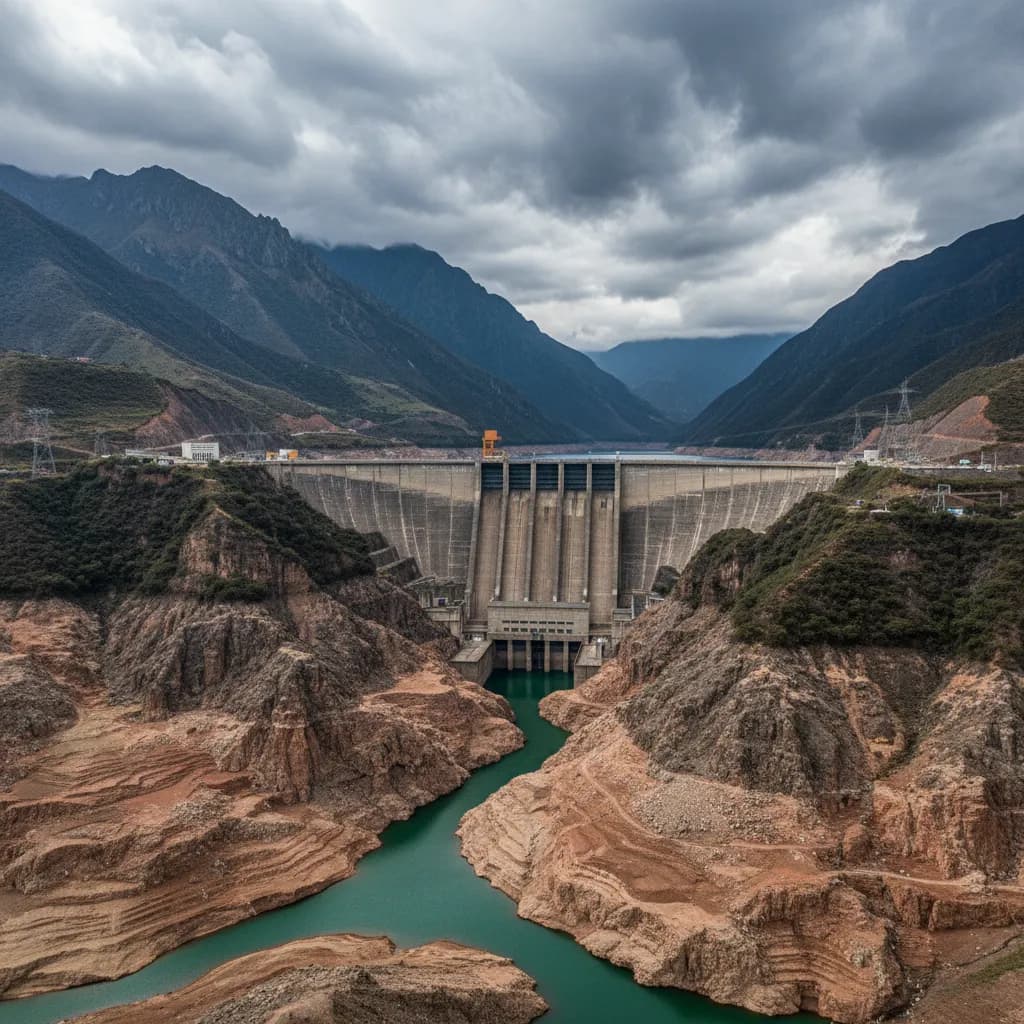
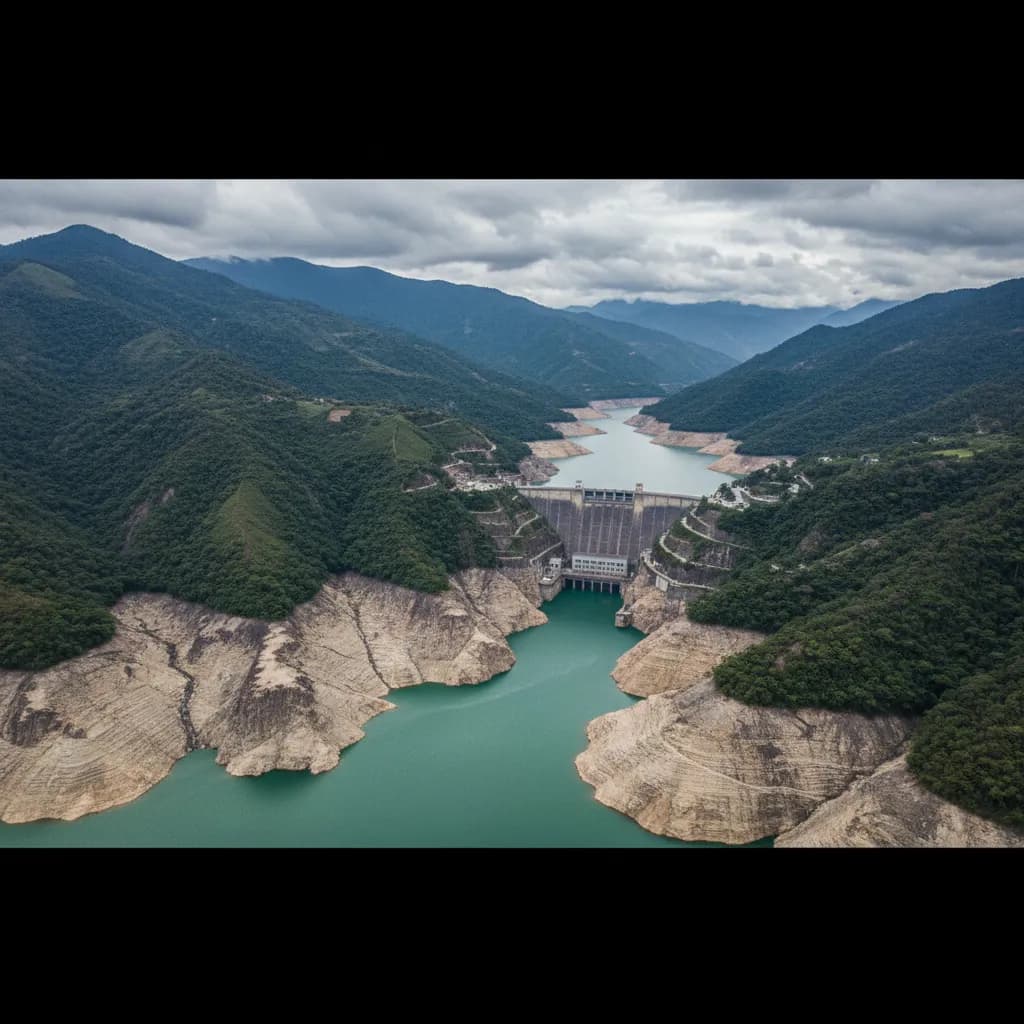
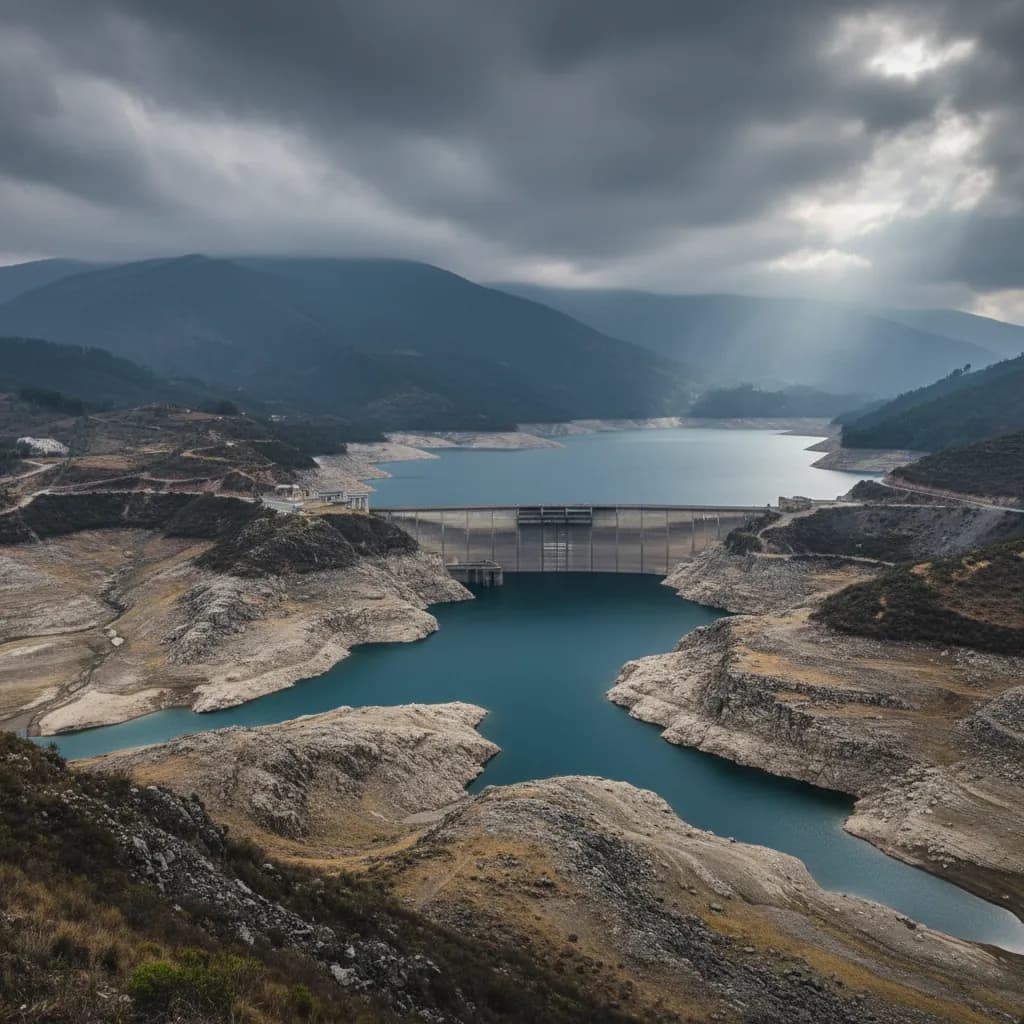
If you lived through Ecuador's 2024 blackouts, you already know the name Mazar. It's the reservoir that keeps the Paute hydroelectric complex — Ecuador's largest — running. And right now, its levels are dropping in ways that have energy officials and grid operators paying very close attention.
As of this week, Mazar is sitting approximately 22 meters above its minimum operational threshold. That sounds like a comfortable buffer, but it isn't. In a dry year, 22 meters can disappear in a matter of weeks.
Why Mazar Matters So Much
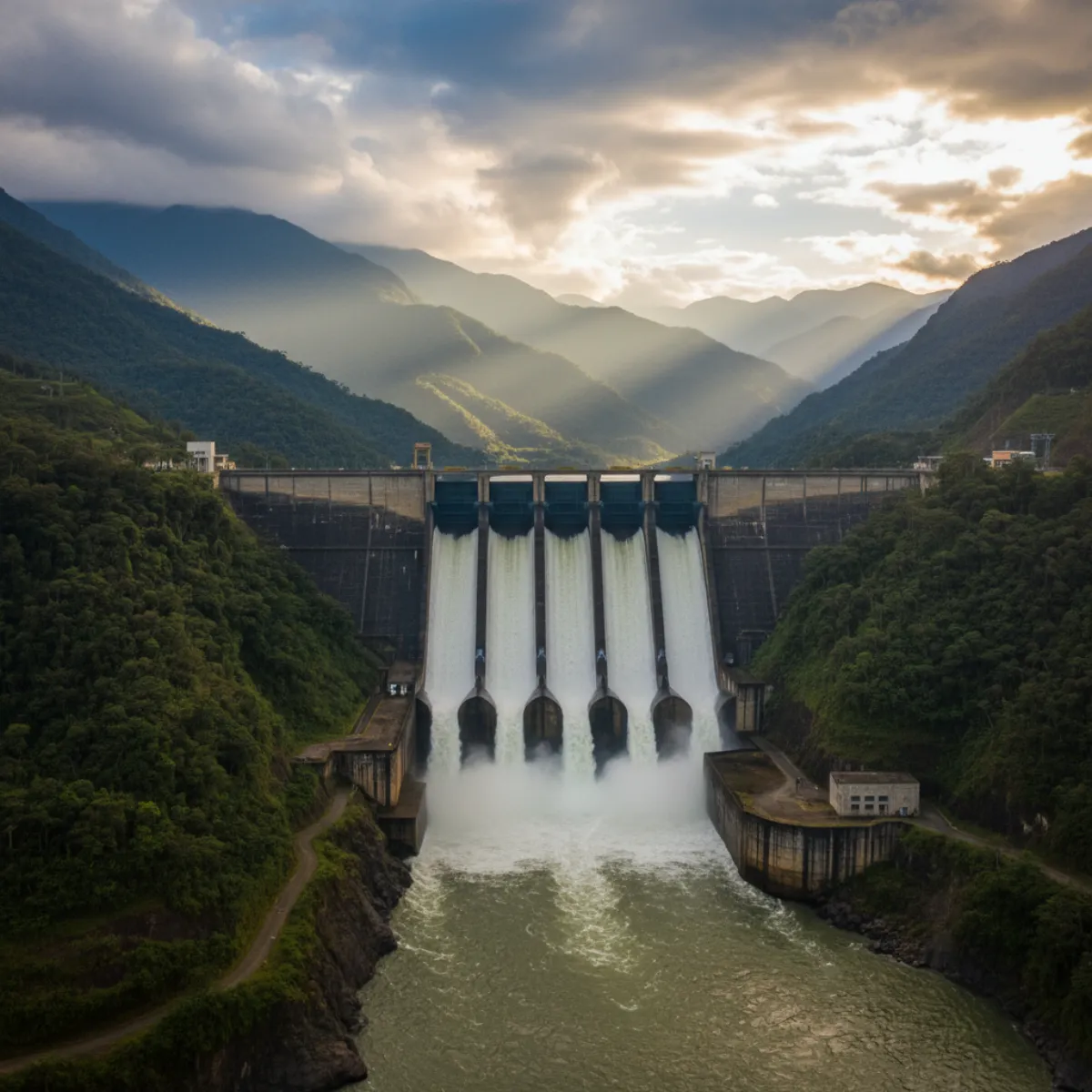
The Paute complex — which includes the Mazar, Molino, and Sopladora power stations — generates a significant share of Ecuador's electricity. The complex depends on water stored in Mazar reservoir to feed its downstream turbines. When Mazar is full, the grid is healthy. When Mazar drops, Ecuador scrambles.
In 2024, Mazar fell below operational levels during a prolonged drought, and the country experienced rolling blackouts of up to 14 hours per day at the worst points. Cuenca was directly affected — we all remember the candles, the generators, the nights without internet, and the restaurants operating by flashlight.
The government spent hundreds of millions of dollars importing electricity from Colombia and renting emergency thermal generation ships to keep the grid running. It was a national crisis.
What's Happening Now
The current situation isn't a crisis yet, but it has the ingredients for one:
- Rainfall in the Paute basin has been below historical averages for the past several weeks
- Reservoir inflow — the water flowing into Mazar from upstream — is lower than normal for this time of year
- Energy demand remains high as Ecuador's economy continues to grow
- Seasonal timing is concerning: we're entering the drier months for the southern sierra
Operators are monitoring daily inflow rates and adjusting generation accordingly. So far, there's been no rationing announcement, and the grid is operating normally. But the buffer is thinner than officials would like.
What Triggers Rationing
If Mazar drops closer to its minimum operational level, the government has a playbook:
- First, increase imports from Colombia and maximize thermal generation
- Second, ask large industrial users to reduce consumption voluntarily
- Third, implement scheduled load-shedding (planned blackouts) starting with a few hours per day
- Fourth, extend rationing as the situation worsens
The 2024 crisis went through all four stages within a few months. Officials have said they're committed to preventing a repeat, but weather doesn't follow political commitments.
What This Means for Expats
- Don't panic, but do prepare. The situation is being monitored, not managed. That's the right stance — alert without alarm
- Have a backup power plan. If you don't already own a power bank, rechargeable lights, and a small UPS for your router, now is a good time to buy them. You'll use them eventually in Ecuador regardless of the reservoir situation
- Keep your phone charged. Make it a habit. During the 2024 blackouts, people who kept devices topped up fared much better than those who let batteries run down
- If you work remotely, have a coworking backup. During 2024, several coworking spaces in Cuenca operated on generator power and became refuges for expats who needed to meet deadlines. Know which ones have generators
- Stock a few days of non-perishable food and water. Not doom-prep — just normal resilience. During extended blackouts, grocery stores operate on limited hours and refrigeration can be spotty
- Fuel up vehicles when you can. Gas stations need electricity for pumps. During 2024, lines at stations with generators stretched for blocks
- Follow the news, especially Primicias and Teleamazonas. If rationing is coming, it will be announced 24-48 hours in advance. Stay informed
- Check if your building or neighborhood has a generator. Many newer buildings in Cuenca installed generators after 2024. If yours did, find out how it's triggered and what it powers
- This isn't unique to Ecuador. Countries throughout Latin America face similar hydroelectric dependency issues during dry years. It's a structural vulnerability, not an Ecuador failure
The best-case scenario: rain returns to the Paute basin and Mazar recovers before anyone has to ration. That's what happened in some past dry years. The worst-case scenario: dry conditions persist and Ecuador repeats 2024.
The reservoir is the canary in the coal mine. Watch it.
Sources: Primicias, Teleamazonas
Keep Cuenca's daily expat briefing independent.
Reader support helps pay for reporting, translation, editing, hosting, and the daily work behind CuencaExpat.
More in News
View all →Gapal Interchange Project Faces Claims Amidst Bidding Process in Cuenca
September 21, 2026
Azuay Prosecutors Request Hearing for Suspended Cuenca Mayor Cristian Zamora Amid Health Travel Announcement
September 21, 2026
Azuay Authorities Coordinate Provincial Simulation to Prepare for El Niño Scenarios
September 19, 2026