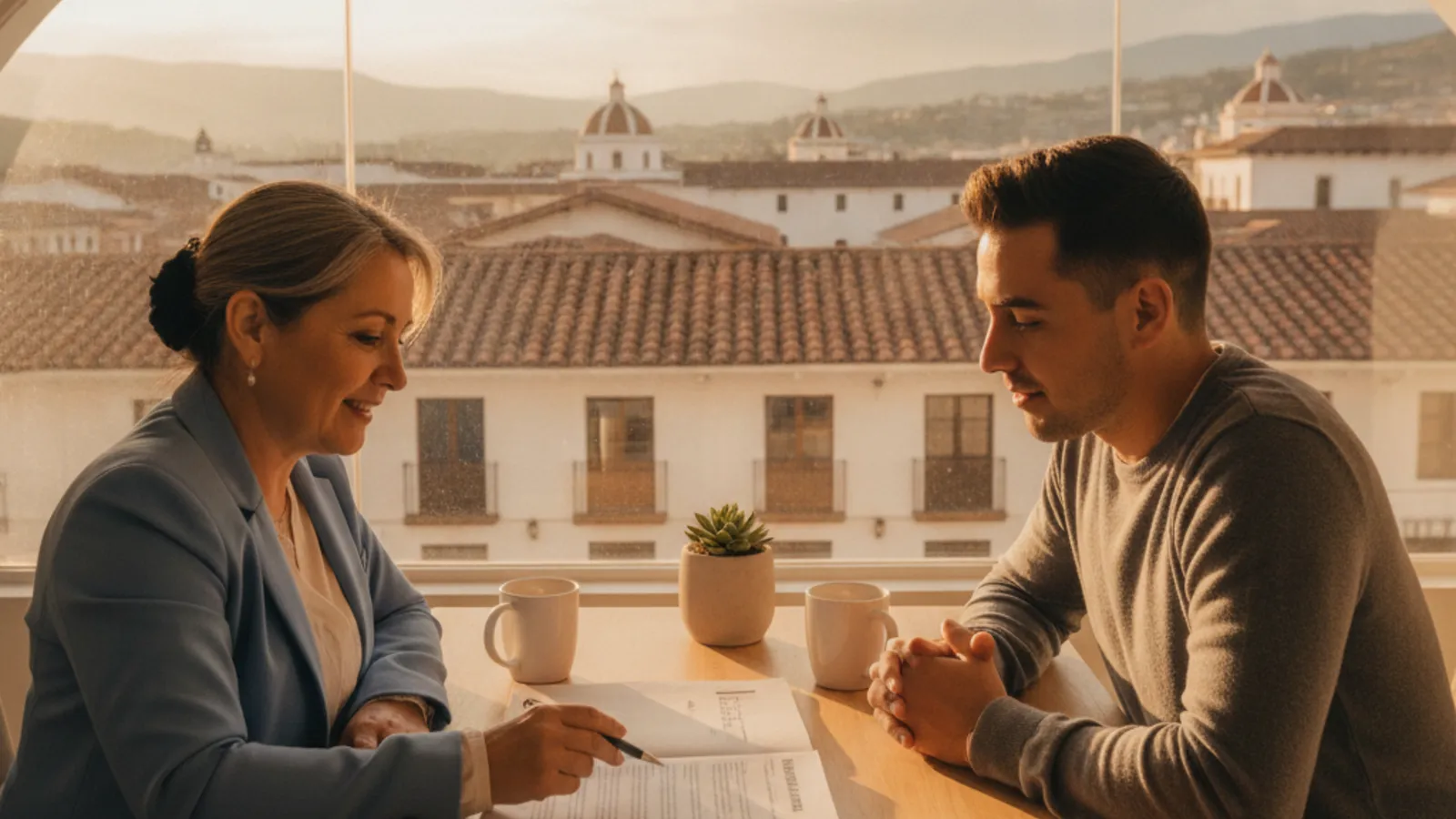
Cuenca's Historic Center Has a Housing Problem Behind the Facades

Source: El Mercurio
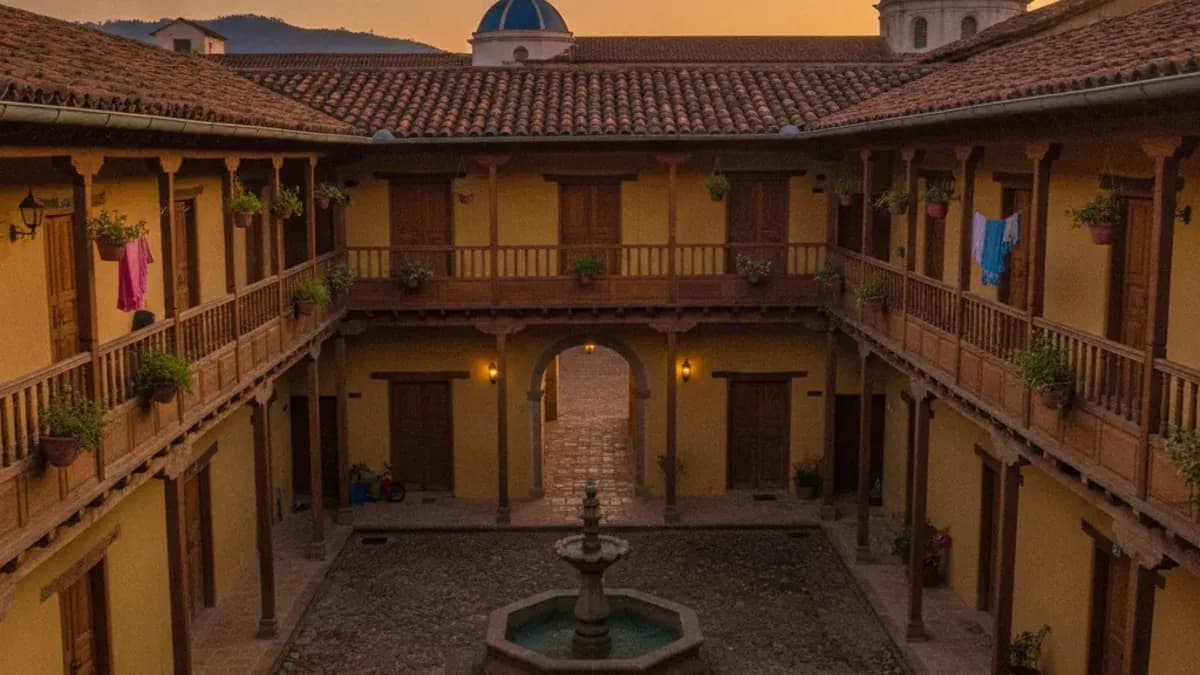
A restored facade is one thing. A lived-in neighborhood is something else.
That is the tension at the center of a new conversation about Cuenca's Historic Center, where architects Carlos Espinoza and Alexis Schulman, founders of Moradora, are pushing the idea that heritage conservation should protect buildings and keep people living in them.
Why the Center Is Losing Residents
Cuenca has grown toward the periphery over recent decades. New neighborhoods have appeared far from the Historic Center, while many traditional homes in the center have become partly empty or less occupied.
Espinoza points to a basic contradiction: the center already has consolidated infrastructure, nearby services and a walkable urban layout, yet residents have been declining there.
His question is simple: why abandon an area that already has what people need to live?
Tourism, Rents and Pressure on Old Families
The growth of tourism and temporary lodging has created economic opportunities in the center, but it has also pushed up land and rental costs.
That pressure makes it harder for families who have historically lived in the area to remain there. For anyone renting, buying, restoring or investing in El Centro, that is the part to watch: preservation is not only about paint colors and balconies. It is also about whether the neighborhood keeps a real residential base.
What Responsible Densification Means
Schulman argues that many heritage houses were built for family patterns that no longer match how people live today. Over time, maintaining those homes became complicated for a single household, leaving many spaces underused.
Moradora, which was a finalist in the Brick Award 2026 in the Building Outside the Box category for La Cruz 13-40, works on interventions that recover properties and convert them into housing for several families without altering their heritage value.
One example is Loja 3-119, a Moradora project in an old house cataloged as patrimonial.
The idea is not to put large buildings into the Historic Center or change its urban image. It is to reuse existing houses and activate empty space inside a city that already has services.
Why Expats Should Care
If you live in or near El Centro, this affects the feel of daily life: neighbors, rents, restorations, short-term rentals and whether the area stays walkable because people actually live there.
The architects also warn that urban recovery can become gentrification if prices rise without regulation. They see a role for the public sector through incentives, rules and policies that keep housing accessible.
In other words, the future of Cuenca's Historic Center is not just about saving beautiful buildings. It is about whether those buildings remain homes.
Keep Cuenca's daily expat briefing independent.
Reader support helps pay for reporting, translation, editing, hosting, and the daily work behind CuencaExpat.