Cuenca's Growing Pains — Why Your Commute Keeps Getting Worse

The Numbers
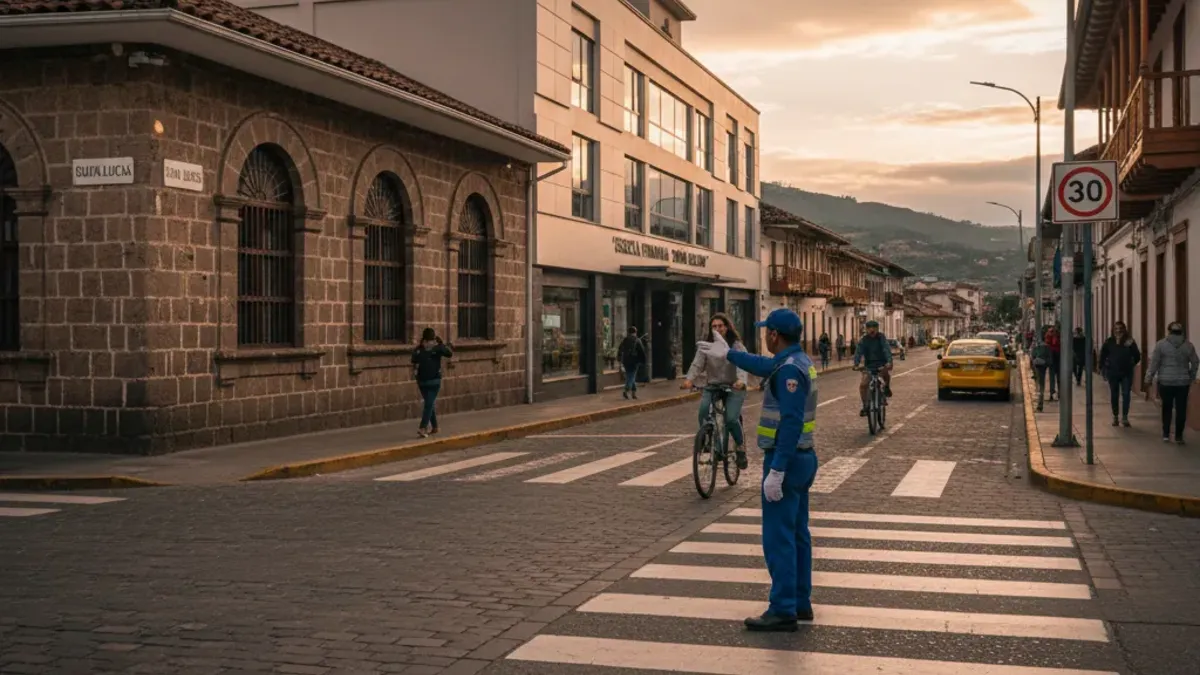
Cuenca's Dirección de Gestión de Movilidad (DGM) — the municipal mobility office — receives 70 to 80 annual requests for traffic light installations across the city. Only 25% to 30% of those requests get approved after technical analysis, according to DGM director Pablo Carvallo (source).
That's a quarter of demand getting met. The other three-quarters are neighborhoods that raised their hands, did the paperwork, and were told the intersection doesn't meet DGM's technical threshold — which means accident history, traffic volume counts, and pedestrian crossing patterns.
Carvallo's framing of where effort is going: "En vías de mayor jerarquía se ha trabajado en la optimización semafórica" — they're prioritizing signal optimization on the city's main arteries over building new lights everywhere.
The Pressure Points
From the reporting, the trouble spots clustering right now are:
- Cazhapata (northeast of El Centro) — residents are asking for a traffic light on a main road where there isn't one.
- Ramona Cordero (around the Miguel Cordero Crespo corridor) — requests for signal timing calibration.
- El Valle access near the Garaicoa school — locals want an existing signal removed because it's creating more congestion than it solves.
- Cochapamba — longtime resident Mayra Pizarro is among those citing slow response to mobility complaints in the sector.
- Parque Industrial (around Octavio Chacón) — Carlos Torres, who works in the industrial park, flagged chronic congestion during shift changes.
- Monay-Baguanchi route — another chronic bottleneck for commuters heading east.
The specific tools DGM is deploying or considering: signal timing calibration, triangular signalization for traffic control, and — in at least one case (Garaicoa) — removing a signal rather than adding one.
What's Driving This
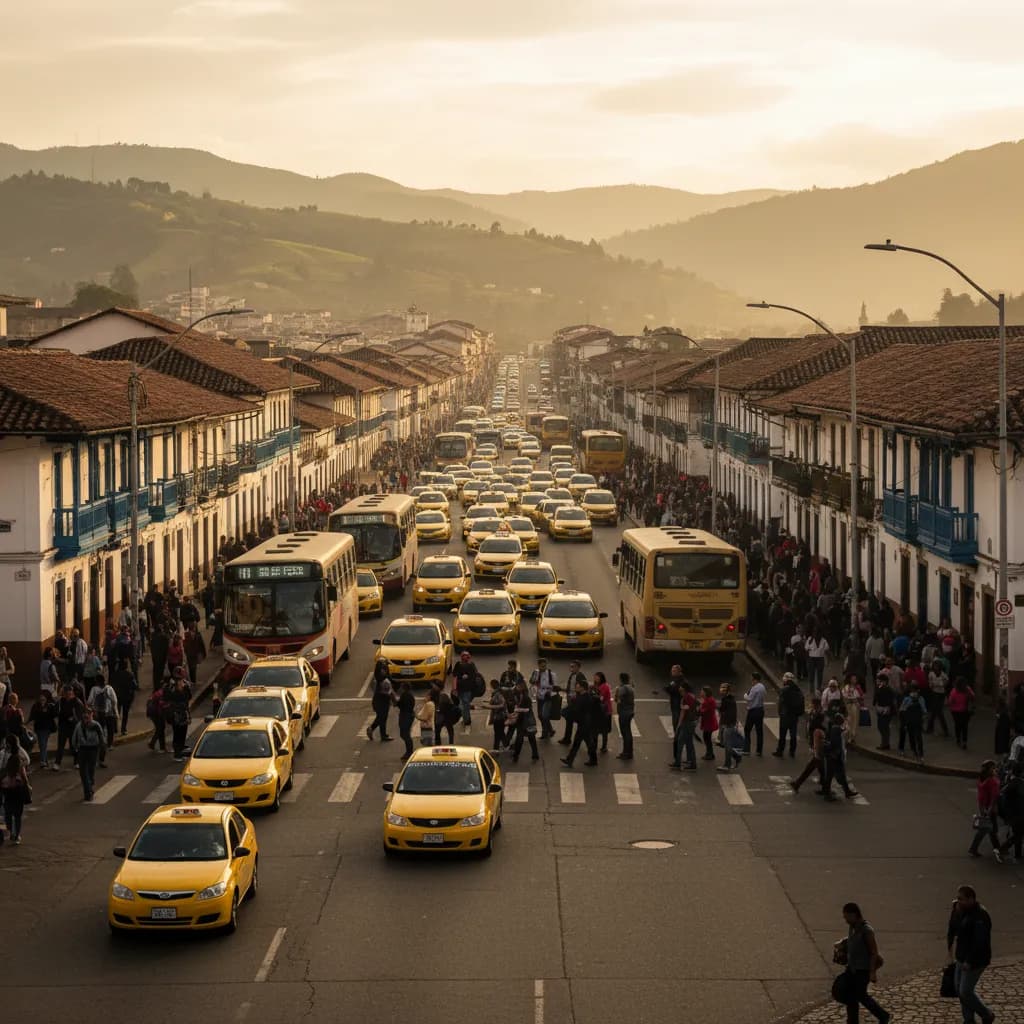
Cuenca has grown. El Centro is protected, heritage-constrained, and unable to widen. So the city spreads outward — into El Valle, Turi, Cochapamba, Misicata, the corridors toward Baguanchi and Monay — while the road grid trying to serve that growth is still mostly the same grid from 15 years ago. Vehicle counts keep climbing. Commute times keep stretching.
Expats who arrived even three or four years ago will notice it: the ride from Ricaurte into El Centro at 5pm, the Autopista crawl approaching the airport at 7:30am, the Monay access during school drop-off. None of it used to be this bad.
What This Means for You
- Plan 15-20 extra minutes into any 7:30–9am or 5–7pm cross-town trip. The days when Cuenca was a "no rush hour" city are genuinely over for much of the metro.
- Apps matter here now. Google Maps in Cuenca has gotten reliable for traffic. Use it.
- If your neighborhood has an unsafe or congested intersection, DGM does accept formal complaints. The technical review process is real, but so is the 70% rejection rate — expect to document the problem well. "Oficios ingresados" (formal letters) go further than social-media complaints.
- Cabify and InDriver let you lock in a flat fare regardless of how long the ride takes in traffic, which can be worth the slight premium on bad days.
- Tranvía, for what it's worth, bypasses all of this along its corridor — and continues to be the fastest way to cross the city during rush hours.
The bigger structural fix isn't more signals. It's transit, density, and better last-mile connections from outlying parishes. None of that arrives fast.
Source: El Mercurio
Keep Cuenca's daily expat briefing independent.
Reader support helps pay for reporting, translation, editing, hosting, and the daily work behind CuencaExpat.