Ecuador Heads Toward a September Dry Season With Power Capacity Still Delayed

Source: Primicias
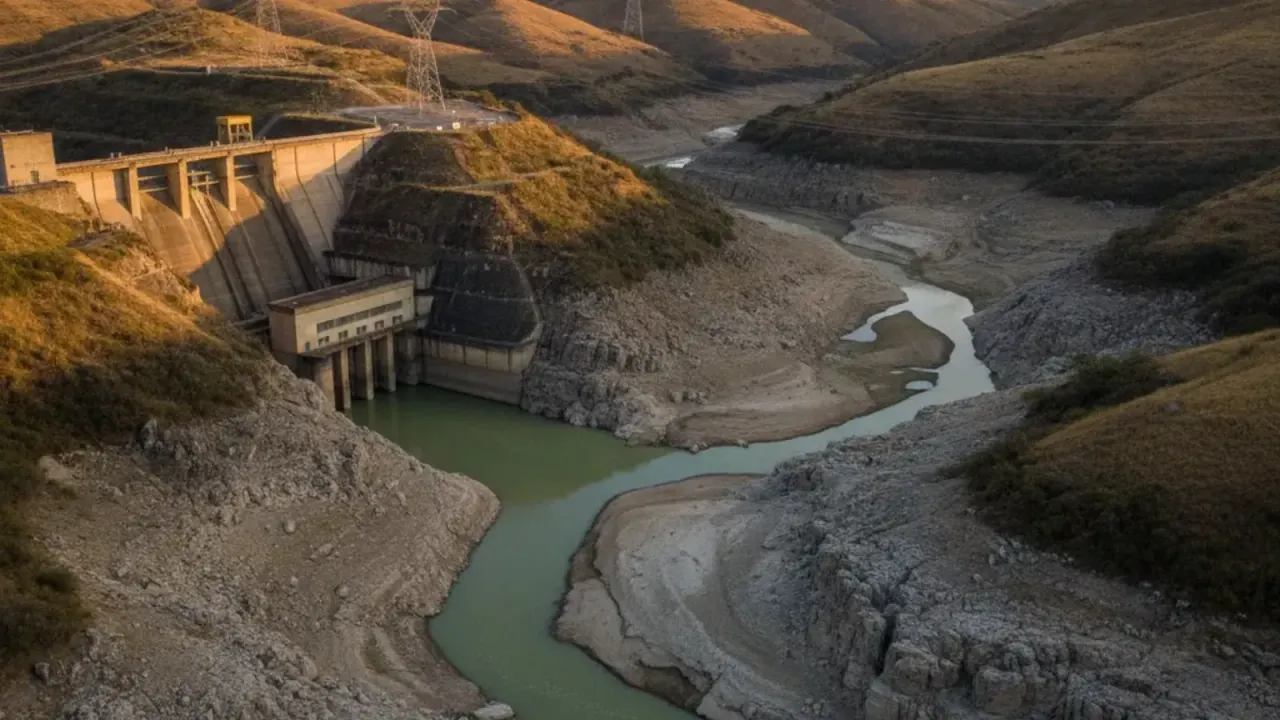
Ecuador's electricity dry season is expected to begin in September 2026 and continue approximately through March 2027, according to the Vice Ministry of Electricity as reported by Primicias on August 21, 2026. The season matters because hydroelectric generation falls when rainfall declines.
The current generation mix
Between August 1 and August 19, hydroelectric generation represented 76% of Ecuador's electricity demand. Thermoelectric generation represented 20.4%, while the remainder came from electricity imports from Colombia and non-traditional sources such as wind and solar.
During the dry season, the hydroelectric contribution is expected to fall. The system would then need more thermal generation or additional electricity imports from Colombia. The report also notes a risk that Colombia could face its own electricity deficit late in 2026 because of El Nino.
What Cenace is modeling
The National Electricity Operator, Cenace, projects a possible electricity deficit of up to 450 megawatts in November 2026, when the dry season could be more severe.
For the October 2026 to March 2027 period, Cenace estimates a 2% probability of an electricity deficit in at least one month. That calculation assumes the government meets a schedule for adding 1,092.1 megawatts of generation capacity between June 2026 and August 2027.
At least 490 megawatts of the planned additions would need to be operating by November. But the Vice Minister of Electricity said delays mean only 50 to 85 megawatts of newly rented thermal generation are likely to enter service by December 2026. Another 115 to 150 megawatts could enter service in the first half of 2027.
Existing barge contracts
The government has renewed the contract for the Turkish barge Murat Bey, which contributes 100 megawatts. The renewal process for Emre Bey, which contributed another 100 megawatts, was suspended in May. The process for Erin Sultan, also called Esclusas V, was launched in July but is suspended according to the public procurement portal.
What this means for Cuenca expats
This is a planning signal, not a confirmed schedule of outages. Residents should watch official electricity notices, keep essential devices charged when the dry season approaches, and pay attention to updates on generation additions and barge contracts. The report does not publish a Cuenca-specific outage timetable.
Source: Primicias
Keep Cuenca's daily expat briefing independent.
Reader support helps pay for reporting, translation, editing, hosting, and the daily work behind CuencaExpat.