Noboa Promises $50M+ for Azuay Roads — Toll Concessions Coming to Cuenca Highways

Major Highway Investment — With a Catch
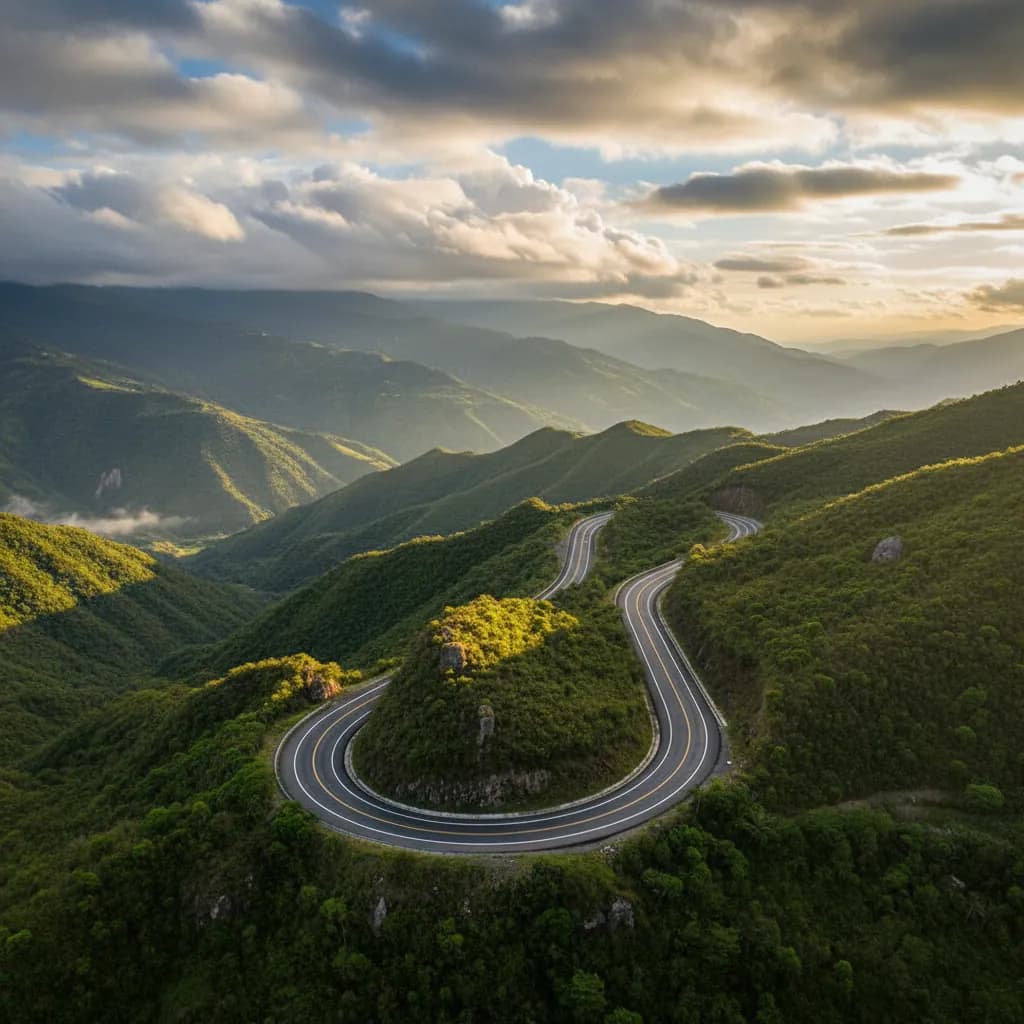
President Daniel Noboa made waves during a recent interview and visit to the region by announcing that two of Cuenca's most important highway corridors will receive more than $50 million in total investment — but the money comes with toll concessions, meaning you'll pay to use them once the upgrades are complete.
The two highways in question are arteries that every Cuenca resident uses:
The Two Highways Getting Concessioned
Cuenca-Molleturo-El Empalme
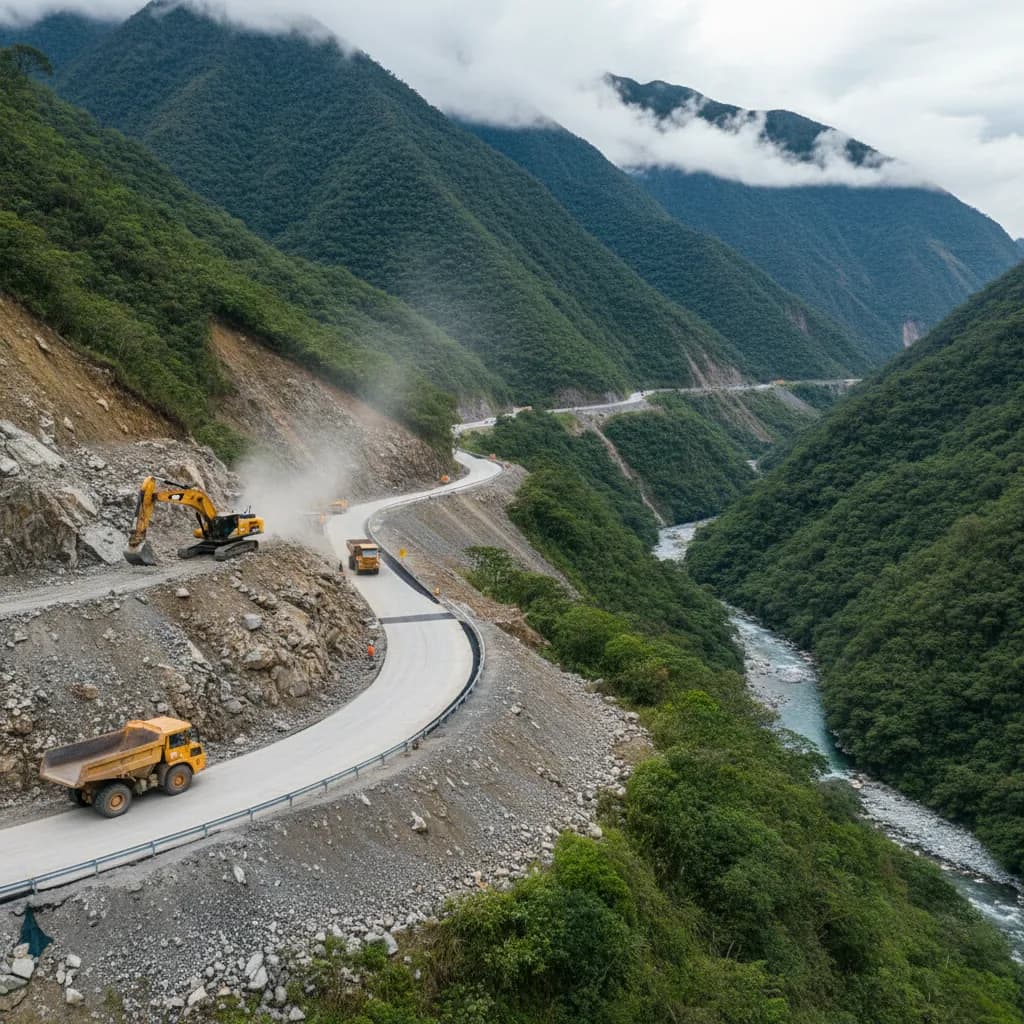
This is the main route from Cuenca to the coast via Cajas National Park. If you've driven to Guayaquil, you know this road — it's the one that takes you through stunning páramo landscapes at 4,000+ meters before descending to the lowlands. It's also the one with sections that deteriorate badly during the rainy season, occasional landslides, and stretches where the pavement feels like a suggestion rather than a surface.
Concessioning this highway means a private company will operate and maintain it in exchange for collecting tolls. The promise is better pavement, faster repairs after landslides, improved signage, and potentially widened sections in the most congested areas.
Cuenca-Girón-Pasaje
This is the southern route, connecting Cuenca to El Oro province and ultimately to Machala and the coast. It's the road you take if you're heading to the southern beach towns or crossing toward Peru. Like the Molleturo route, it suffers from deferred maintenance and sections that become hazardous in heavy rain.
The concession model will be the same: private operation, toll collection, and an obligation to maintain and improve the road.
What $50M+ Actually Buys
Noboa indicated the total investment package exceeds $50 million and includes an interchange (likely at a major junction near Cuenca where traffic bottlenecks are worst). The specifics of the concession terms — toll prices, contract duration, and upgrade timelines — haven't been fully detailed yet.
For reference, toll roads in Ecuador are relatively affordable compared to U.S. or European standards. Existing toll roads like the Guayaquil-Salinas corridor charge a few dollars per vehicle. Expect something in that range, though the final prices will depend on the concession contracts.
The Safety Numbers Noboa Cited
During the same appearance, Noboa shared several security statistics that paint Cuenca in a very favorable light:
- Under 12 homicides in Cuenca so far this year — representing just 0.4% of the national total. In a city of roughly 600,000+ people, that's an extremely low rate by any standard
- Azuay sales up 22%+ in Q1 2026 — suggesting strong commercial activity and economic confidence in the province
- March saw a 26% drop in violent deaths nationally compared to the same period last year
- Extortion, kidnapping, and robbery are all down 40% nationally
These numbers align with what most Cuenca residents — expat and local alike — have been experiencing: the city feels safer than the national news would suggest, and the security situation has been improving steadily.
The Toll Road Debate
Toll concessions are controversial in Ecuador. The argument in favor is simple: the government doesn't have the money to maintain these highways properly, so private investment fills the gap and users pay for better roads. The argument against is equally simple: these are public roads, and charging tolls on routes people depend on for daily life and commerce feels like a tax on mobility.
For Cuenca specifically, the Molleturo and Girón routes aren't optional — they're the only practical connections to the coast and the south. There's no free alternative. So whatever the toll ends up being, you'll pay it or you won't travel those routes.
The precedent in Ecuador is that toll concessions eventually deliver better roads, though often with delays and disputes between the concessionaire and the government. The Guayaquil-Daule expressway, for example, improved significantly after concessioning, though tolls remain a source of local grumbling.
What This Means for Expats
- Expect tolls on the Cuenca-to-coast highway (via Molleturo/Cajas) within the coming years. The exact timeline and cost aren't set, but plan for a few dollars per trip once it's operational
- The Cuenca-Girón-Pasaje route will also become a toll road. If you travel to Machala, the southern coast, or Peru, this affects you directly
- Better road maintenance is the upside. If you've white-knuckled through a landslide zone on the Molleturo road or hit a pothole crater near Girón, the promise of proper maintenance is genuinely appealing
- The safety numbers are reassuring. Under 12 homicides in Cuenca (0.4% of national total) confirms what most of us already feel — this city is remarkably safe by Ecuadorian and Latin American standards
- Azuay's 22%+ sales growth signals a healthy local economy. More commercial activity means more jobs, better services, and a stronger tax base for the city
- The 40% drop in extortion/kidnapping/robbery is particularly relevant for business owners in the expat community. The security improvements are real and measurable
- No timeline for toll implementation has been given. These concession deals typically take 1-2 years to negotiate and begin construction. You won't be paying tolls next month
- Keep this in context. Presidential promises about infrastructure investment are common and don't always materialize at the announced scale. Track the actual concession contracts, not the press conference numbers
Better roads with tolls beat terrible roads without them. But as always in Ecuador, the devil is in the details — and those details are still being negotiated.
Source: El Mercurio
Keep Cuenca's daily expat briefing independent.
Reader support helps pay for reporting, translation, editing, hosting, and the daily work behind CuencaExpat.