Shuar Twins Trek Three Days from the Jungle to Reach Cuenca Hospitals

A Three-Day Walk for Medical Care
Two-month-old twins Kasent and Karatshui are currently in separate Cuenca hospitals, fighting severe pneumonia and acute respiratory distress. Their journey to get here is a stark reminder of how different life looks in Ecuador's remote eastern provinces compared to the relative comfort of Cuenca.
The twins are from the Saapapentsa community, a Shuar settlement in Taisha, Morona Santiago -- deep in Ecuador's Amazon region. When they fell ill roughly two weeks before reaching Cuenca, their family faced an impossible calculation: how to get two critically sick infants to a hospital when the nearest facility capable of treating them is days away on foot.
The Journey
The family -- father Celestino Chapui and mother Elizabet Maser -- first trekked on foot for three days to reach the Hospital Basico San Jose de Taisha, the closest medical facility to their community. From there, the twins needed to be evacuated to Cuenca for the specialized care that only the city's larger hospitals can provide.
Air evacuation from Taisha costs approximately $120 per person -- a sum that was completely beyond the family's resources. For context, many families in these remote Shuar communities live largely outside the cash economy. $120 might as well be $12,000.
Where They Are Now
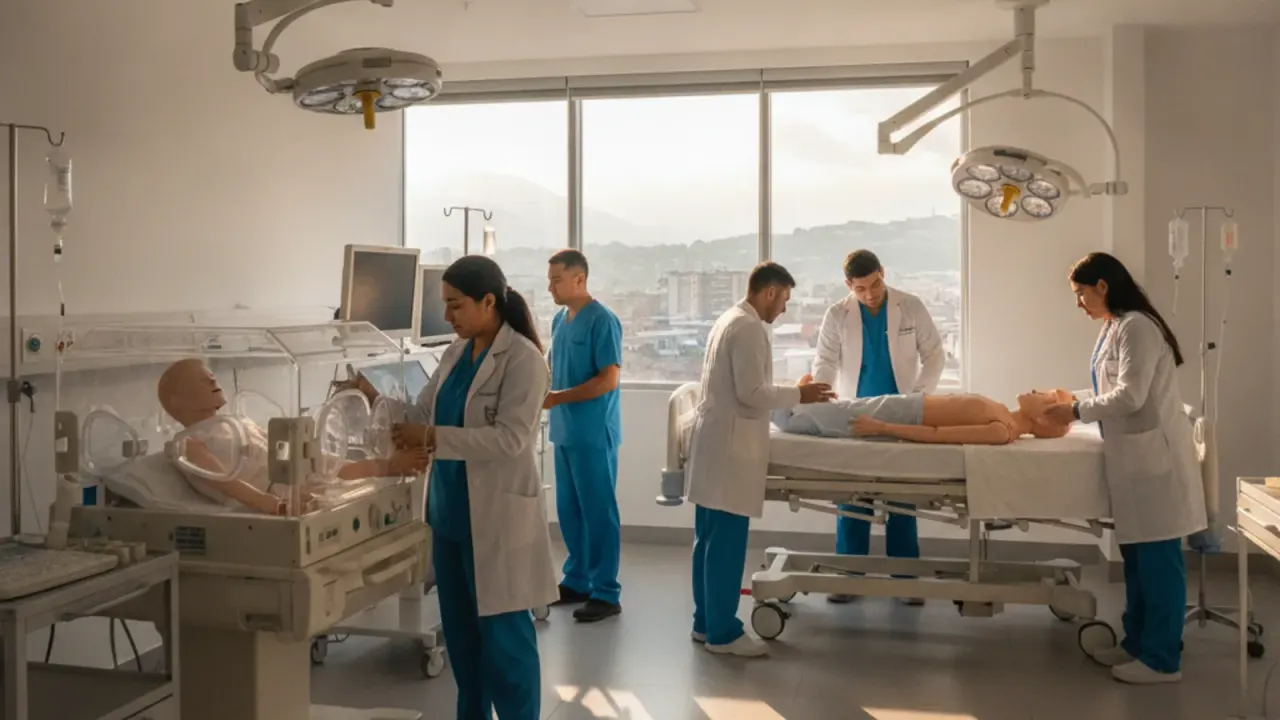
The twins have been separated between Cuenca's two major hospitals:
- Kasent (male) is at Hospital Vicente Corral Moscoso, accompanied by his father Celestino, who has been sleeping in the waiting room because he has nowhere else to stay and no resources for food or lodging
- Karatshui (female) is at Hospital Jose Carrasco Arteaga (IESS hospital), accompanied by her mother Elizabet
Doctors expect both twins will need at least one month of hospitalization. The family is essentially stranded in Cuenca for the duration -- far from their community, without resources, in an unfamiliar city where they may not speak much Spanish (Shuar is the primary language in many of these communities).
Part of a Bigger Problem
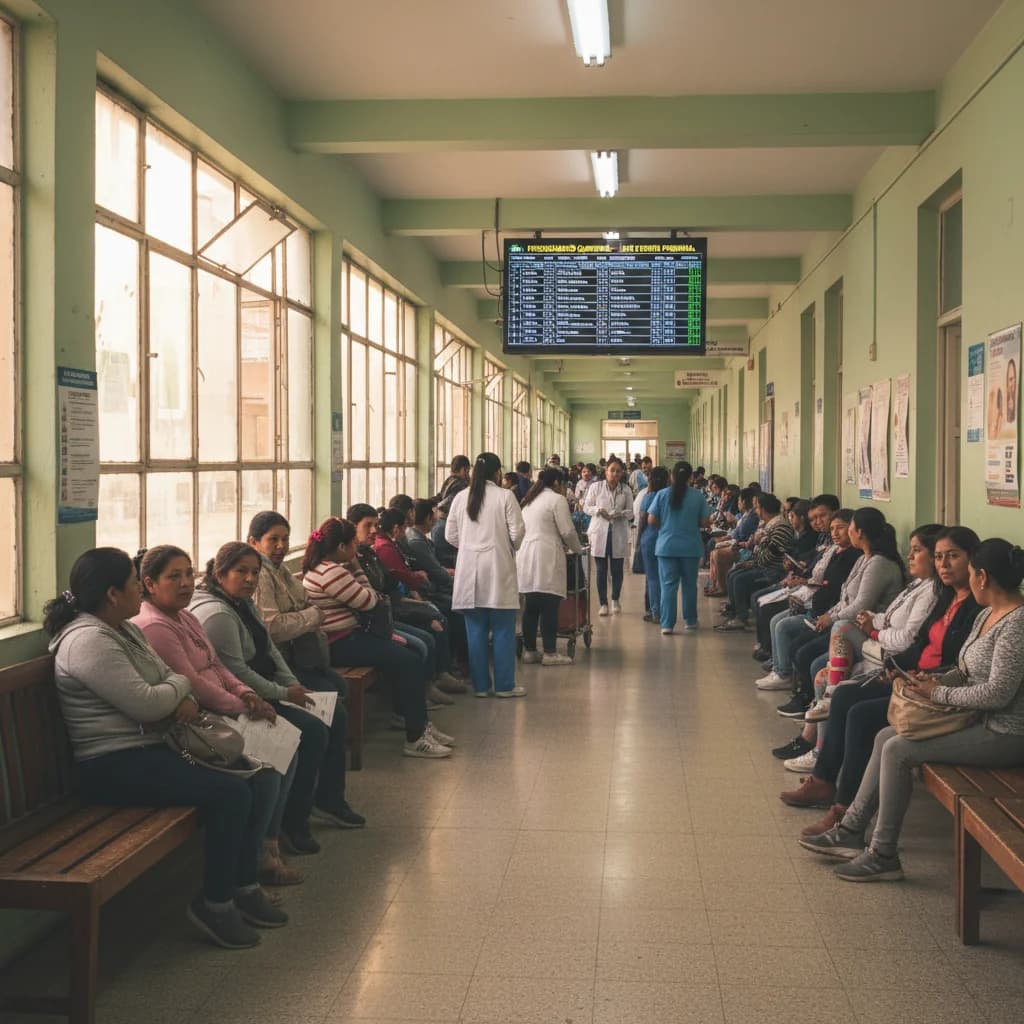
Kasent and Karatshui's situation is not an isolated case. Their illness is part of a broader respiratory outbreak affecting indigenous children in the remote communities of Morona Santiago. The combination of limited local healthcare infrastructure, geographic isolation, and the cost of emergency transport means that families in these areas face agonizing choices when children fall seriously ill.
Indigenous rights activists are using cases like this to demand permanent medical brigades in remote Shuar and Achuar territories. The argument is straightforward: no family should have to walk for three days with sick infants to reach basic medical care. The government has the resources to maintain rotating medical teams in these areas -- the question is political will.
What This Means for Expats
This story might feel distant from your daily life in Cuenca, but it's worth understanding for several reasons:
- It's a window into the Ecuador that exists beyond Cuenca's comfortable streets. Morona Santiago is the province directly east of Azuay. The communities there are geographically close but worlds apart in terms of access to services
- Hospital Vicente Corral Moscoso and Hospital Jose Carrasco Arteaga are the same hospitals you'd go to in an emergency. These are Cuenca's major medical facilities, and they serve a catchment area that extends deep into the Amazon. The resources they dedicate to cases like this affect overall capacity
- If you want to help, the most direct impact comes from supporting organizations that work on healthcare access in remote indigenous communities in Morona Santiago. The hospitals themselves can also direct donations -- food, supplies, or financial support for families like Celestino and Elizabet who are stranded far from home
- This is the healthcare reality for a significant portion of Ecuador's population. When we talk about Ecuador's healthcare system, it's important to understand that the experience in Cuenca is not representative of what exists in much of the country
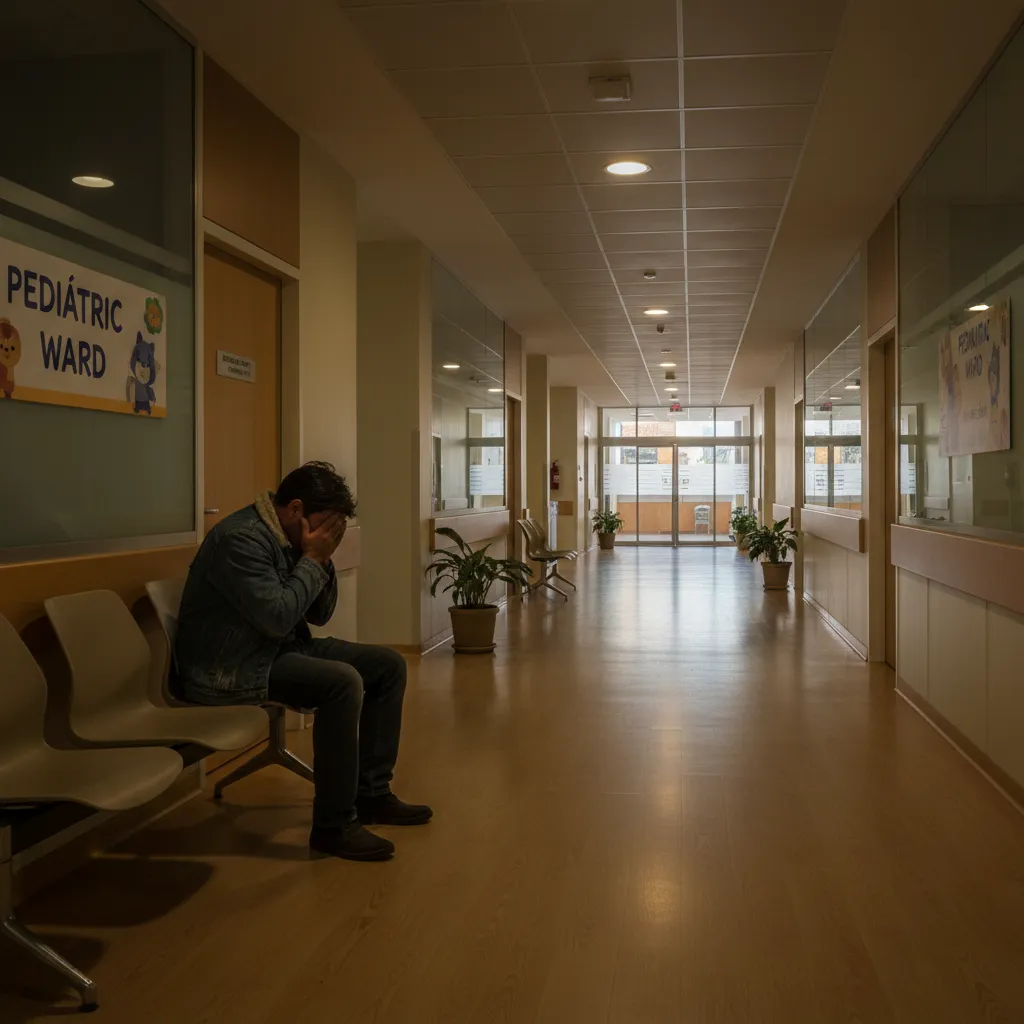
Celestino sleeps in a hospital waiting room tonight so his son can breathe. That's the distance between two parts of the same country.
Source: El Mercurio
Keep Cuenca's daily expat briefing independent.
Reader support helps pay for reporting, translation, editing, hosting, and the daily work behind CuencaExpat.