U.S. Special Forces Land in Ecuador — First Joint Ground Operation Targets Drug Cartels

This Is a Big Deal
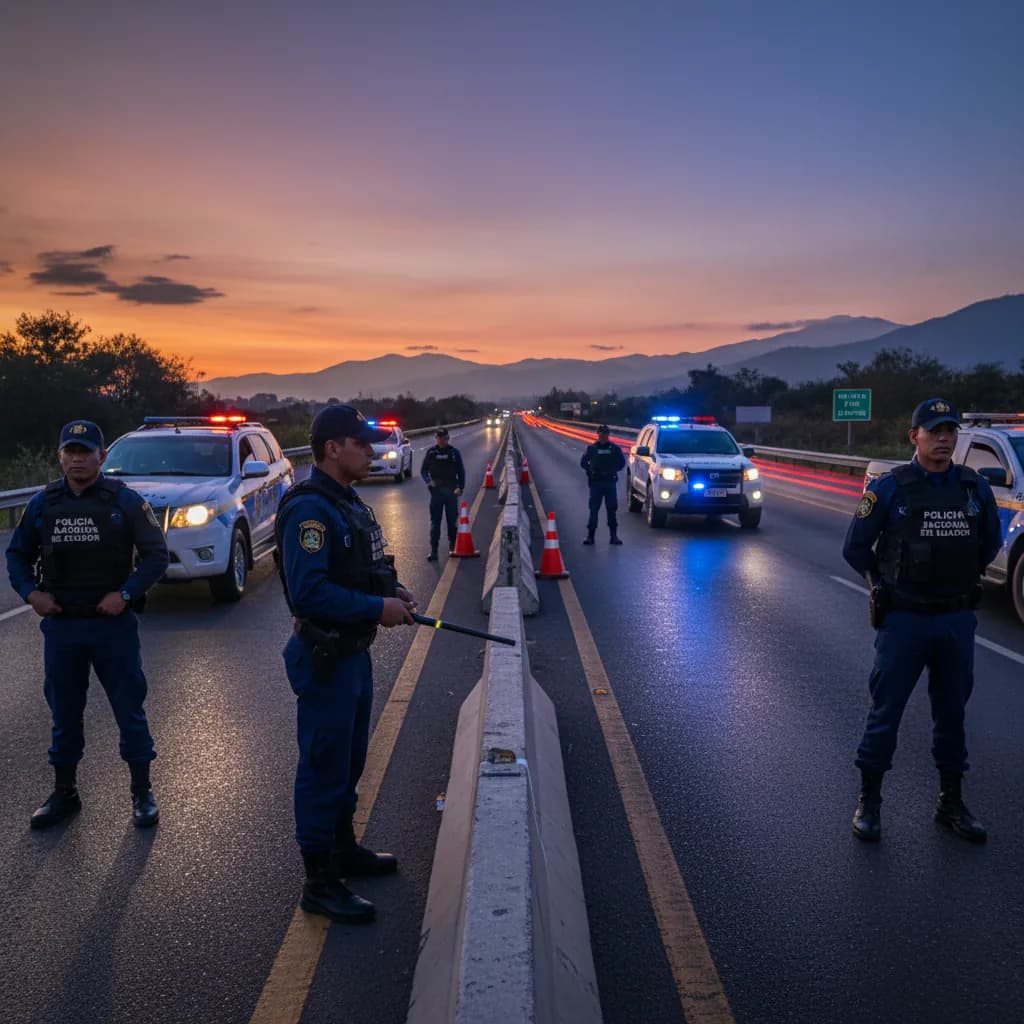
On March 3, the United States and Ecuador launched joint military ground operations targeting drug trafficking organizations. This is the first time U.S. forces have conducted ground operations in Ecuador — a significant escalation in cooperation between the two countries.
Previously, U.S. involvement in Ecuador was limited to airstrikes against smuggling vessels in the Pacific and Caribbean, plus intelligence sharing. Now, U.S. Special Forces are physically on the ground in Ecuador, working alongside Ecuadorian commandos.
What Happened
The operation targeted an alleged drug trafficking network, reportedly linked to the Los Lobos cartel — one of Ecuador's most powerful criminal organizations. It was also reportedly connected to the Albanian mafia operating in Ecuador. The named individuals have not been convicted at the time of writing.
Here's what was seized and accomplished:
| Result | Detail |
|---|---|
| Cocaine seized | 6 tons (in Europe, linked to the network) |
| Suspects arrested | 16 |
| Cash seized | ~$1 million |
| Raids conducted | 26 (across Guayas, Pichincha, and El Oro) |
| Narco sub discovered | 115-foot vessel, ready for a transoceanic voyage |
The Narco Submarine
The most dramatic element: Ecuadorian forces discovered and sank a 115-foot narco-submersible in the Cayapas-Mataje mangrove forest near Ecuador's northern border with Colombia. Along with the sub, they found:
- 6 speedboats
- 7 outboard motors
- 25 diesel tanks (1,375 gallons combined)
- 6,000 gallons of fuel
- 120 empty fuel tanks
- Navigation equipment and a shotgun
This wasn't a makeshift operation — it was a sophisticated logistics hub for transoceanic drug shipments.
Why This Matters for Expats
The Security Picture
Ecuador has been battling a surge in drug-related violence since 2023. The coastal cities — Guayaquil, Esmeraldas, Manta — have been hardest hit, with cartel violence reaching levels that shocked the country. Cuenca has been relatively insulated, but not entirely immune (see our recent safety update).
The joint US-Ecuador operation signals that:
- The government is taking an aggressive approach — this isn't symbolic; it's boots-on-the-ground military action
- U.S. commitment is real — Special Forces deployment represents serious investment in Ecuador's security
- The focus is on the coast and border regions, not the Sierra — Cuenca and the highlands are not operational zones
The Geopolitical Shift
This military cooperation, combined with the Cuba ambassador expulsion two days earlier and the recent US-Ecuador trade deal, paints a clear picture: Ecuador under President Noboa is firmly in the U.S. orbit.
For American and Canadian expats, this alignment generally means:
- More predictable diplomatic relations
- Continued security cooperation
- Economic integration (the trade deal)
- Stronger rule-of-law signals
What It Doesn't Mean
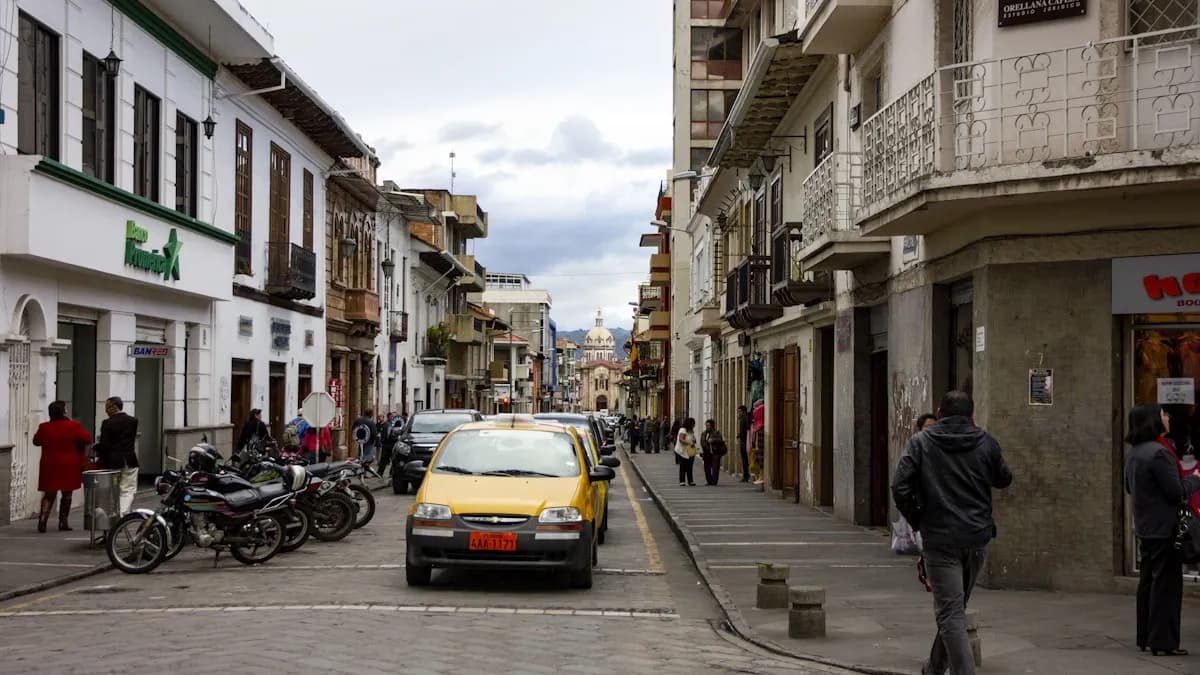
Don't expect to see U.S. military vehicles rolling through Cuenca. The operations are concentrated on the coast, border regions, and trafficking corridors. Life in the Sierra continues normally.
Also worth noting: some Ecuadorians and regional analysts have raised concerns about sovereignty and the precedent of foreign military operations on Ecuadorian soil. This is a live debate in the country.
The Bottom Line
This is the most significant security development in Ecuador since President Noboa declared the internal armed conflict in January 2024. The U.S.-Ecuador military partnership is now operational at a level nobody would have predicted two years ago.
For expats in Cuenca: the direct impact on daily life is minimal, but the broader security trajectory — aggressive action against cartels, backed by U.S. resources — is significant context for anyone who calls Ecuador home.
Keep Cuenca's daily expat briefing independent.
Reader support helps pay for reporting, translation, editing, hosting, and the daily work behind CuencaExpat.
More in News
View all →Cuenca Residents Face Rising Market Prices, Azuay Governor Warns Against Speculation
October 15, 2026
Gapal Interchange Project Faces Claims Amidst Bidding Process in Cuenca
September 21, 2026
Azuay Prosecutors Request Hearing for Suspended Cuenca Mayor Cristian Zamora Amid Health Travel Announcement
September 21, 2026