Ecuador Boots Cuba's Ambassador — No Explanation Given, But the Reasons Aren't Hard to Guess

What Happened
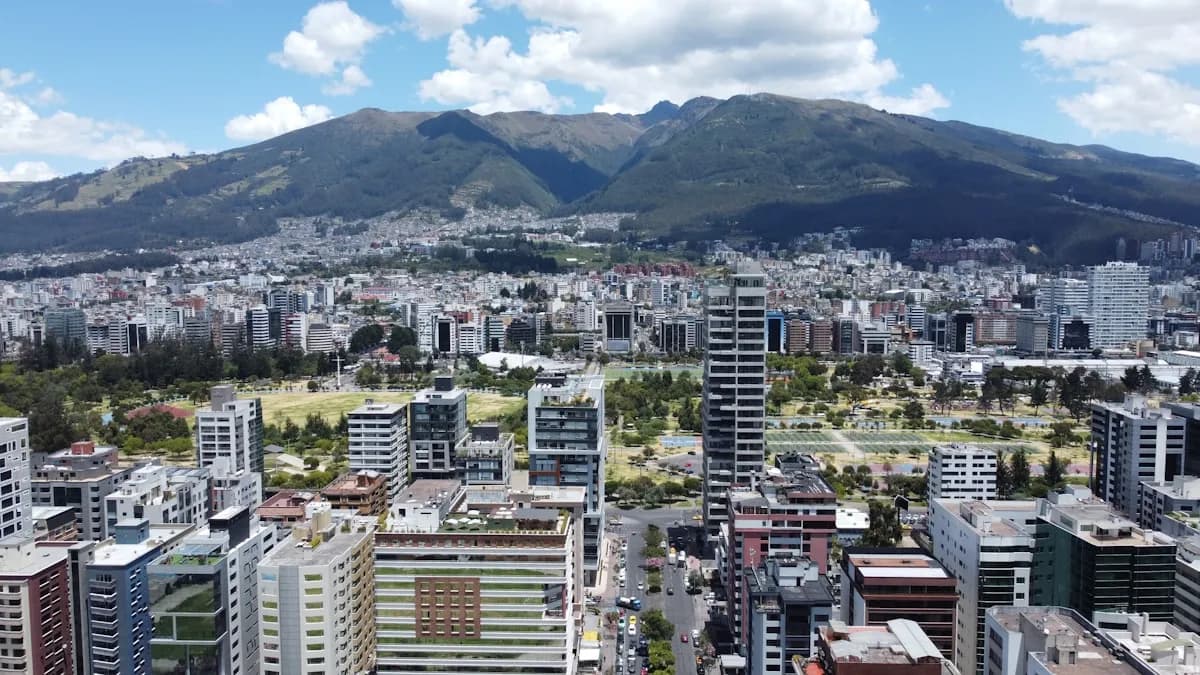
On Wednesday, Ecuador's Foreign Ministry declared Cuban Ambassador Basilio Antonio Gutiérrez García and his entire diplomatic staff persona non grata — the formal diplomatic way of saying "get out."
The order gave Cuba's team 48 hours to close up shop and leave the country. Ecuador simultaneously recalled its own ambassador to Cuba, José María Borja, effectively shutting down diplomatic relations in both directions.
The government cited the Vienna Convention on Diplomatic Relations, which allows any country to expel diplomats without explanation. And that's exactly what Ecuador did — no official reason was given.
What Cuba Said
Cuba's embassy called the move "unexpected and unfriendly," noting there were "no discussions with the Ecuadorian government prior to receiving the order." Staff were observed burning documents at the embassy in Quito on Wednesday afternoon.
Ambassador Gutiérrez acknowledged the expulsion and said his team was in the process of closing the embassy.
The Obvious Context
While the government didn't explain the expulsion, the timing isn't subtle:
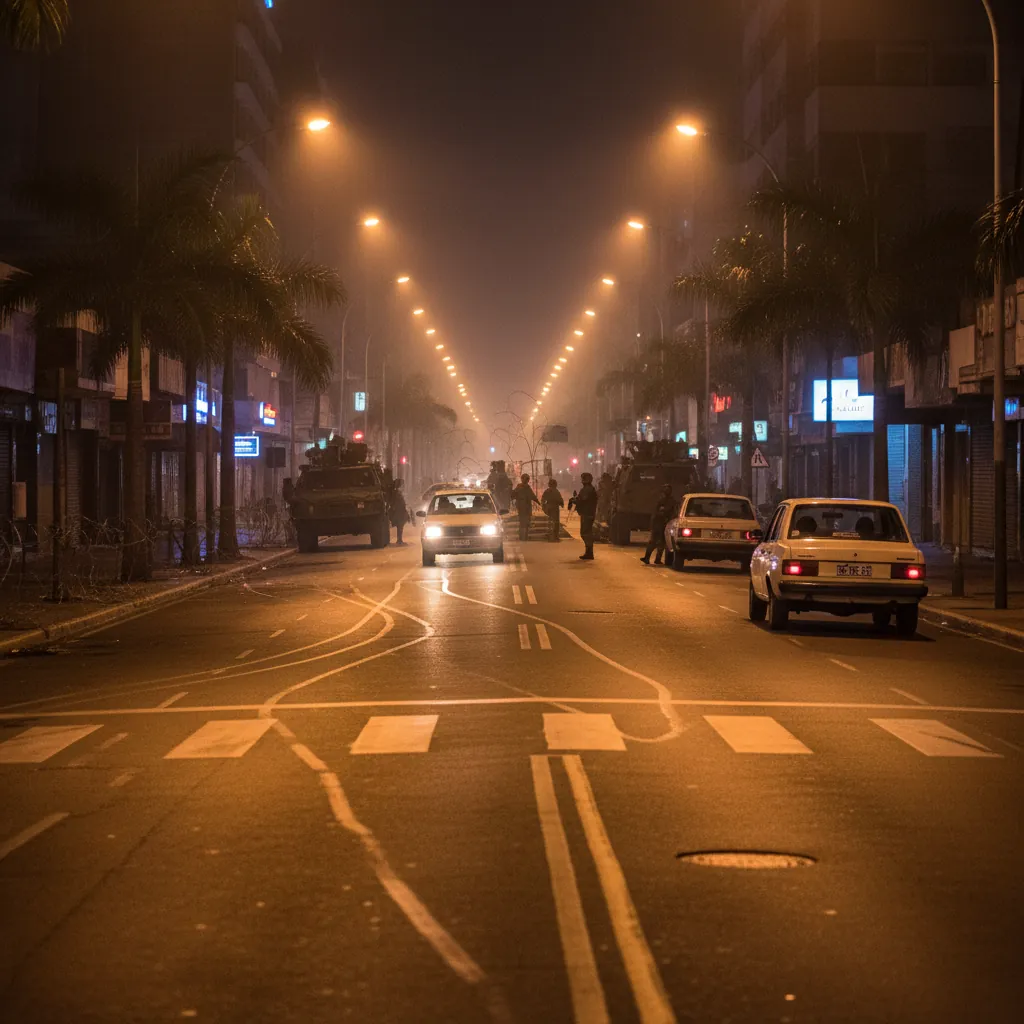
- Monday, March 2: The head of U.S. Southern Command met with President Noboa in Quito
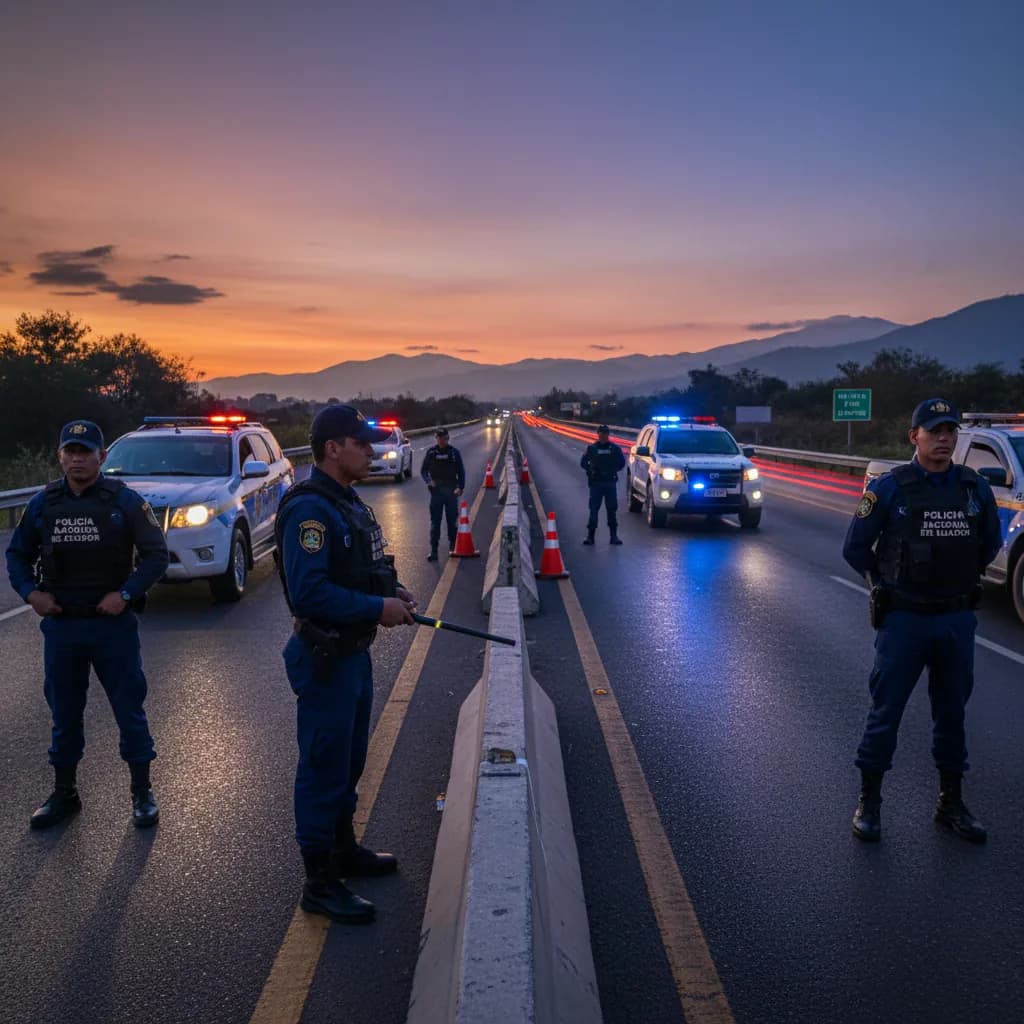
- Tuesday, March 3: Ecuador and the US launched joint military operations against drug trafficking organizations, with U.S. Special Forces providing training and intelligence support
- Wednesday, March 4: Cuba's ambassador expelled
Former foreign affairs vice minister Raúl Bermúdez connected the dots publicly: "There is little doubt the U.S. conditioned its military support on Ecuador breaking relations with Cuba."
The move comes amid broader U.S. pressure on Cuba under President Trump, which intensified after the U.S. military operation in Venezuela. Trump has placed restrictions on oil sales to Cuba and publicly stated the Cuban government was "ready to fall."
Why Should Expats Care?
This story matters for expats not because of Cuba directly, but because of what it reveals about Ecuador's strategic direction:
- Ecuador is aligning closely with the United States — the military cooperation deal, the Cuba expulsion, and the new trade agreement (see our economic snapshot) all point the same direction
- Security operations are intensifying — nighttime curfews are coming to four coastal provinces March 15-31 (Guayas, Los Ríos, Santo Domingo, El Oro — not Azuay)
- Stability outlook — closer US ties generally mean more investment, more security cooperation, and more geopolitical predictability. For expats from the US, Canada, and Europe, this alignment is largely favorable
University of Guayaquil professor Ramón Iglesias offered a dissenting view, warning that Ecuador is "charting a very dangerous path forward in the area of regional and international relations" by appearing to bow to U.S. pressure.
The Bigger Picture
Ecuador under President Noboa has been steadily moving toward the US orbit. The US-Ecuador trade deal, the military cooperation agreement, and now the Cuba break all fit a clear pattern. Whether you view this as pragmatic alliance-building or concerning dependence on a single partner depends on your perspective.
For day-to-day life in Cuenca? No immediate impact. But the geopolitical ground under Ecuador is shifting, and it's worth understanding the direction.
Sources: CuencaHighLife, Washington Post, Al Jazeera, CBC
Keep Cuenca's daily expat briefing independent.
Reader support helps pay for reporting, translation, editing, hosting, and the daily work behind CuencaExpat.
More in News
View all →Cuenca Residents Face Rising Market Prices, Azuay Governor Warns Against Speculation
October 15, 2026
Gapal Interchange Project Faces Claims Amidst Bidding Process in Cuenca
September 21, 2026
Azuay Prosecutors Request Hearing for Suspended Cuenca Mayor Cristian Zamora Amid Health Travel Announcement
September 21, 2026