Rain Returns to Cuenca — Rivers Bouncing Back, Power Grid Gets a Reprieve

What Happened
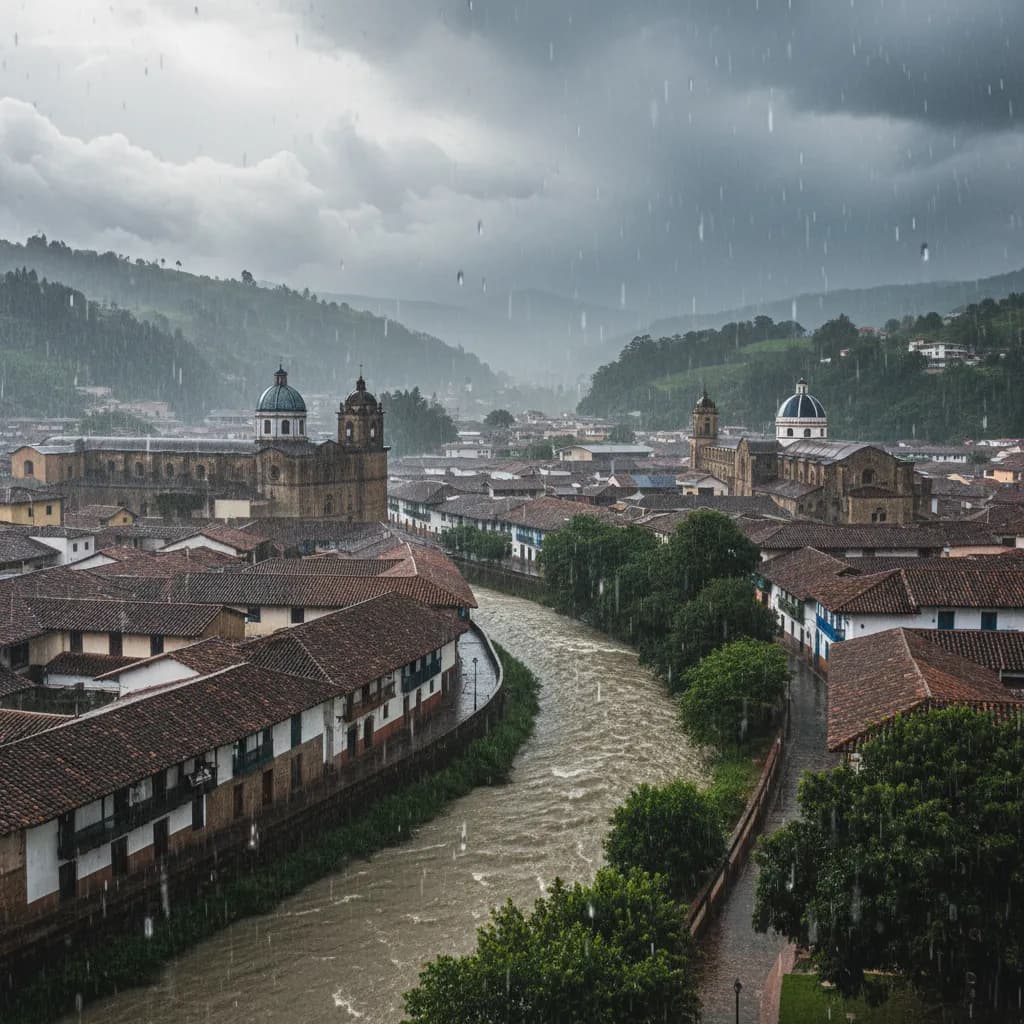
Cuenca got meaningful rainfall over the weekend, and it made a difference. According to ETAPA's Environmental Management division, the Tomebamba River is flowing at 3.69 cubic meters per second as of Sunday — a healthy level that reflects the recent precipitation.
More importantly, the rains came at the right time. The Mazar reservoir — the critical piece of Ecuador's largest hydroelectric complex — had been sitting just 22 meters above its minimum operational threshold, raising fears of a repeat of the 2024 blackout crisis.
The Forecast
INAMHI and ETAPA both project a 70% chance of rain on Monday and Tuesday this week, with continued precipitation likely through the rest of April. ETAPA's historical data shows that April and May are typically the wettest months in the Cuenca basin, and this year appears to be tracking on pattern.
If the rains continue as expected, the rivers that feed the Paute hydroelectric system (Tomebamba, Yanuncay, Tarqui, Machángara) should maintain strong flows through the end of the month.
What This Means for You
- Power rationing is less likely in the near term. The Mazar reservoir situation had been the biggest energy risk for Ecuador. Continued rain in the Cuenca highlands directly feeds the system that generates roughly 40% of the country's electricity
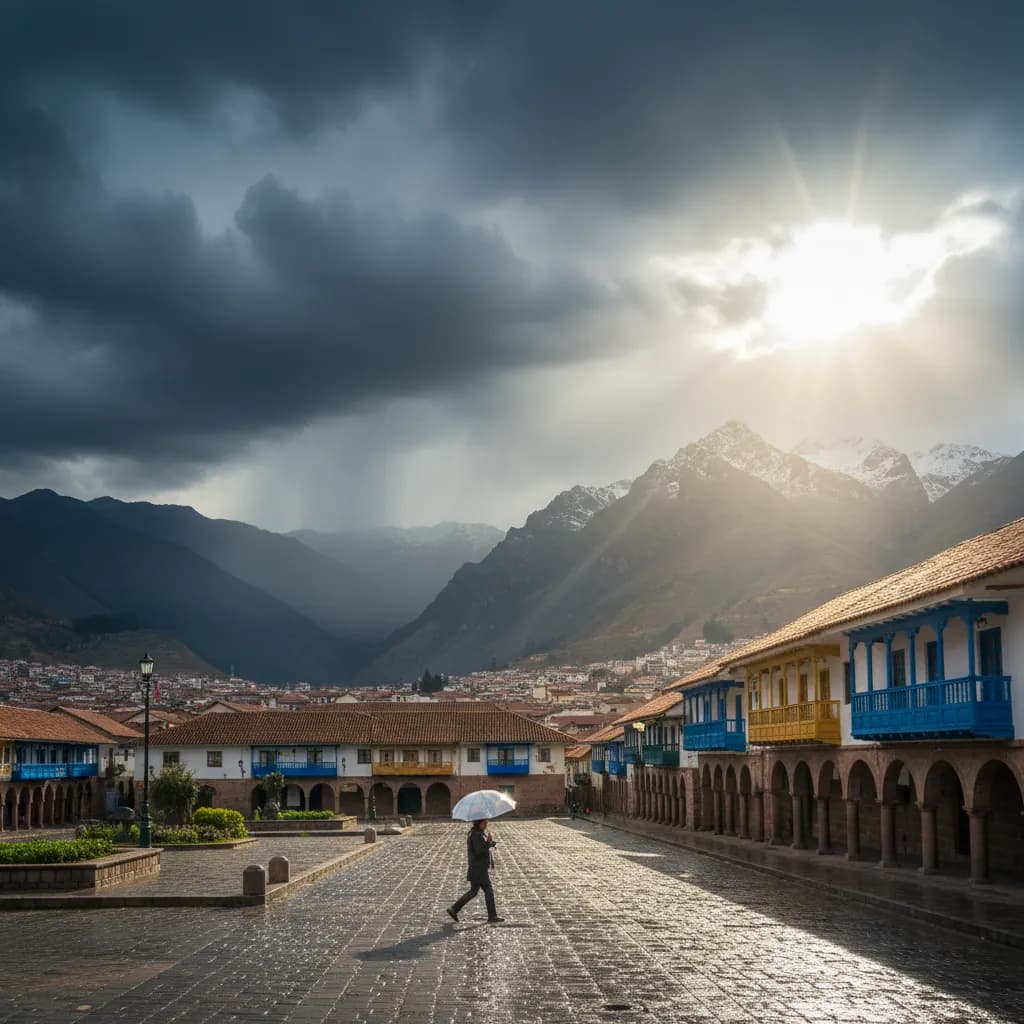
- Carry an umbrella this week. April in Cuenca means afternoon showers. They usually hit between 2-5 PM and pass quickly
- River walks are gorgeous right now. The Tomebamba running strong through El Centro is one of Cuenca's best sights. The paths along the river are in good shape — just watch for puddles
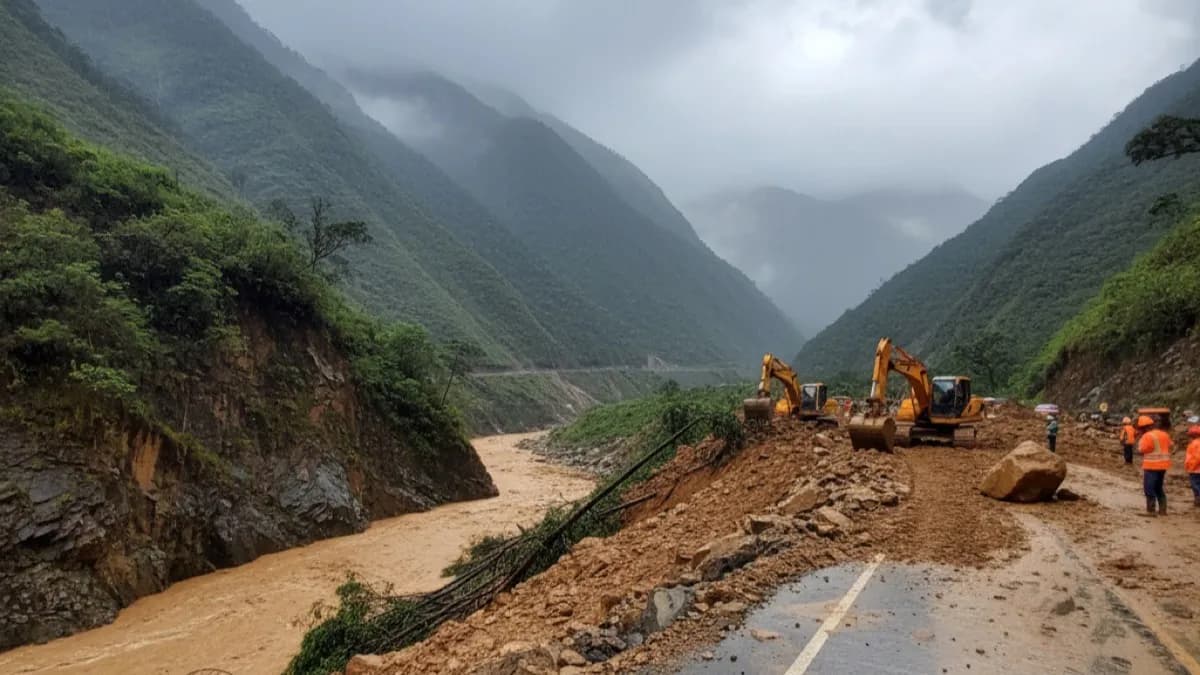
- If you're driving to Cajas this week, be cautious. Rain at Cuenca altitude means fog and wet roads above 3,500 meters. Visibility on the Cajas highway drops fast when weather moves in
- Water supply is not a concern. ETAPA confirmed that Cuenca's drinking water infrastructure is operating normally with healthy source water levels
After months of watching reservoir levels drop and worrying about blackouts, this is genuinely good news. Cuenca's geography — surrounded by páramo watersheds that feed both the city and the national power grid — makes local rainfall a matter of national significance.
Sources: El Universo, ETAPA, INAMHI
Keep Cuenca's daily expat briefing independent.
Reader support helps pay for reporting, translation, editing, hosting, and the daily work behind CuencaExpat.