Blood Moon Over Ecuador: Total Lunar Eclipse Visible This Morning

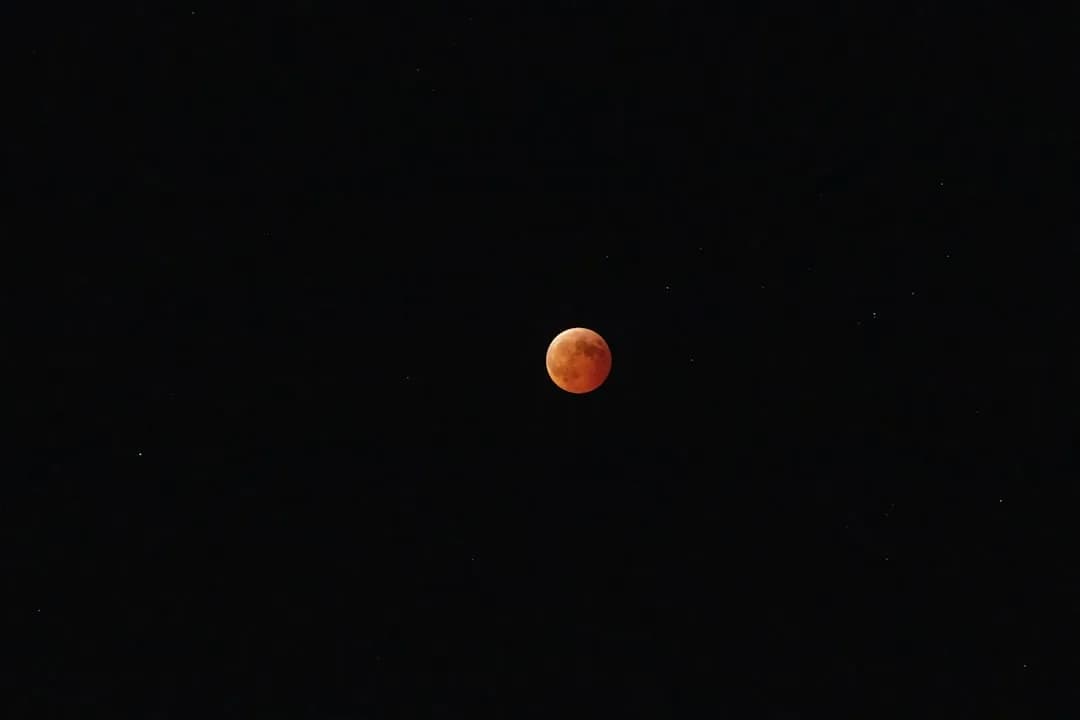
If you were up early enough this morning, you might have caught something extraordinary: a total lunar eclipse turning the moon blood-red over Ecuador.
What Happened
The eclipse began in the early hours of March 3, with the moon passing through Earth's shadow. During totality — when the moon is fully in shadow — it took on a deep reddish-copper color, which is why they call it a "Blood Moon."
Timeline (Ecuador time):
- Partial eclipse began: ~3:44 AM
- Totality: ~6:04 AM - 7:03 AM
- Maximum eclipse: ~6:33 AM
Could You See It from Cuenca?
Partially. The timing was tricky — totality coincided with moonset and sunrise in the highlands. From Cuenca, the moon was very low on the western horizon during the best part of the eclipse, and the Andes mountains likely blocked the view for many.
Coastal cities like Guayaquil had a slightly better vantage point with a lower western horizon.
Why Does the Moon Turn Red?
Even during a total eclipse, some sunlight reaches the moon — but it has to pass through Earth's atmosphere first. The atmosphere filters out blue light and bends red light toward the moon, giving it that eerie copper glow. It's the same reason sunsets are red.
When's the Next One?
The next total lunar eclipse visible from Ecuador won't happen until 2028. So if you missed this one, you'll be waiting a while. Mark your calendar.
The next major astronomical event for Ecuador is a partial solar eclipse on August 12, 2026 — but visibility will be limited from the southern highlands.
Sources: TimeAndDate, StarWalk, Outside Online
Keep Cuenca's daily expat briefing independent.
Reader support helps pay for reporting, translation, editing, hosting, and the daily work behind CuencaExpat.