Cristian Zamora's Six-Month Political Ban Is Shaking Cuenca

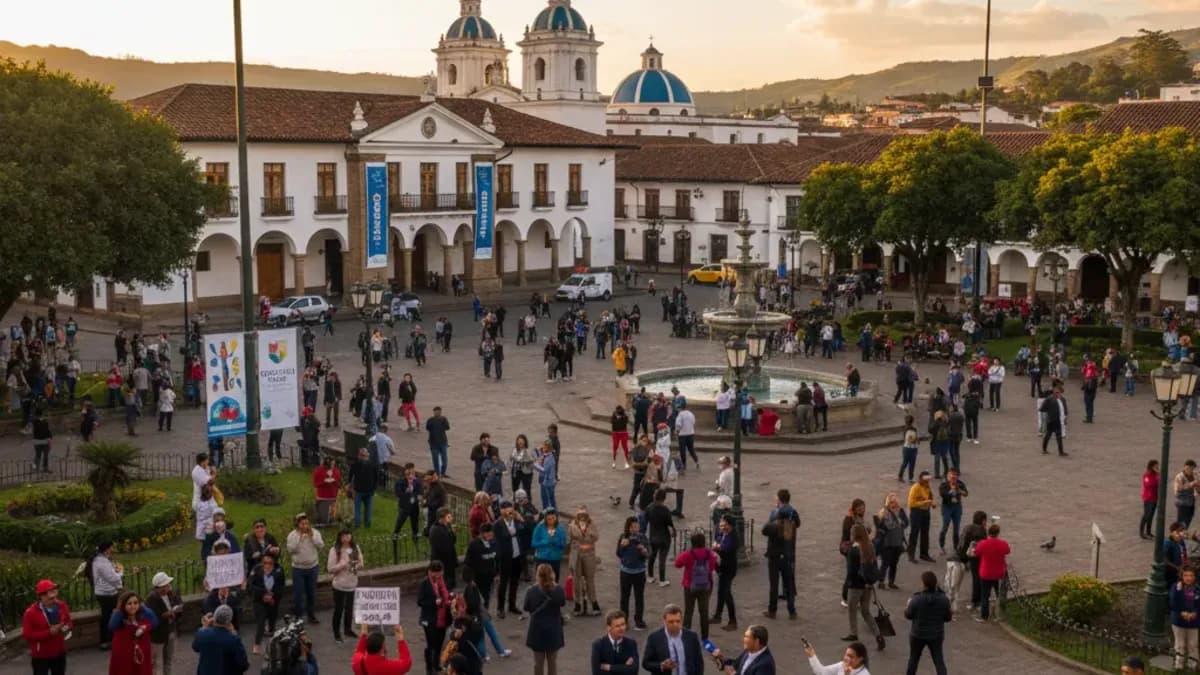
Cuenca politics just got a lot less predictable.
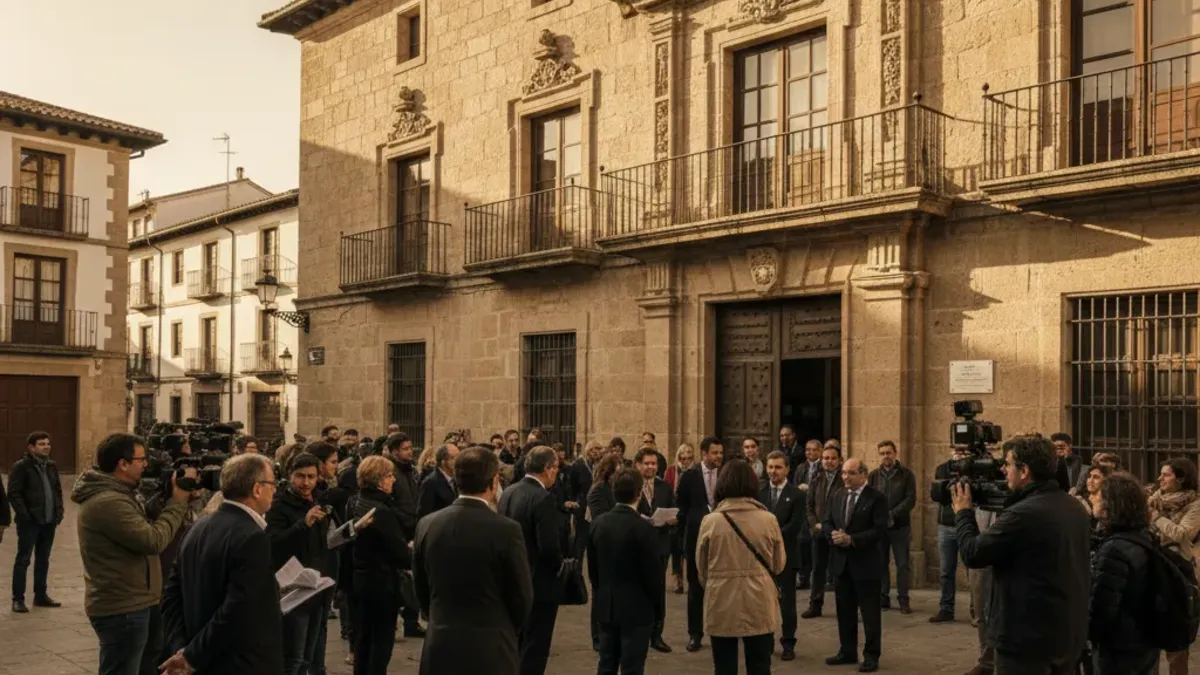
Mayor Cristian Zamora is facing a six-month suspension of political participation rights after the Tribunal Contencioso Electoral ratified a sentence tied to political gender violence.
The ruling has triggered reactions from officials in Azuay, Pichincha, Quito and the National Assembly because it affects whether Zamora can seek reelection in the next local election cycle.
The Local Reaction
Azuay Prefect Juan Cristobal Lloret called the sentence unprecedented in Cuenca's democratic history and said it limits the right of Cuencanos to reelect their mayor.
He also expressed solidarity with Zamora and his family, saying no electoral advantage justifies sacrificing political rights and popular will.
Pichincha Prefect Paola Pabon also criticized the decision and expressed solidarity with Zamora and Cuenca.
Assembly member Jahiren Noriega questioned the timing of the ruling ahead of an election, while Quito councilor Andres Campana said excluding political criticism is not democratic.
What This Means For Cuenca
For residents, this is less about national political theater and more about local continuity.
If Zamora cannot run, Cuenca's next mayoral race changes immediately. Projects, municipal appointments, transport fights, public works and campaign alliances could all shift around the question of who inherits or challenges his political space.
What Expats Should Watch
For now, this does not change city services by itself. Garbage collection, tram service, EMOV, ETAPA and municipal offices continue operating.
But it does matter for anyone following local governance. Cuenca has several practical issues in motion right now, including bus-service conflict, road planning, security cameras, public works and infrastructure cleanup. A disrupted election cycle can change which projects get political oxygen.
Keep Cuenca's daily expat briefing independent.
Reader support helps pay for reporting, translation, editing, hosting, and the daily work behind CuencaExpat.
More in News
View all →Gapal Interchange Project Faces Claims Amidst Bidding Process in Cuenca
September 21, 2026
Azuay Prosecutors Request Hearing for Suspended Cuenca Mayor Cristian Zamora Amid Health Travel Announcement
September 21, 2026
Azuay Authorities Coordinate Provincial Simulation to Prepare for El Niño Scenarios
September 19, 2026