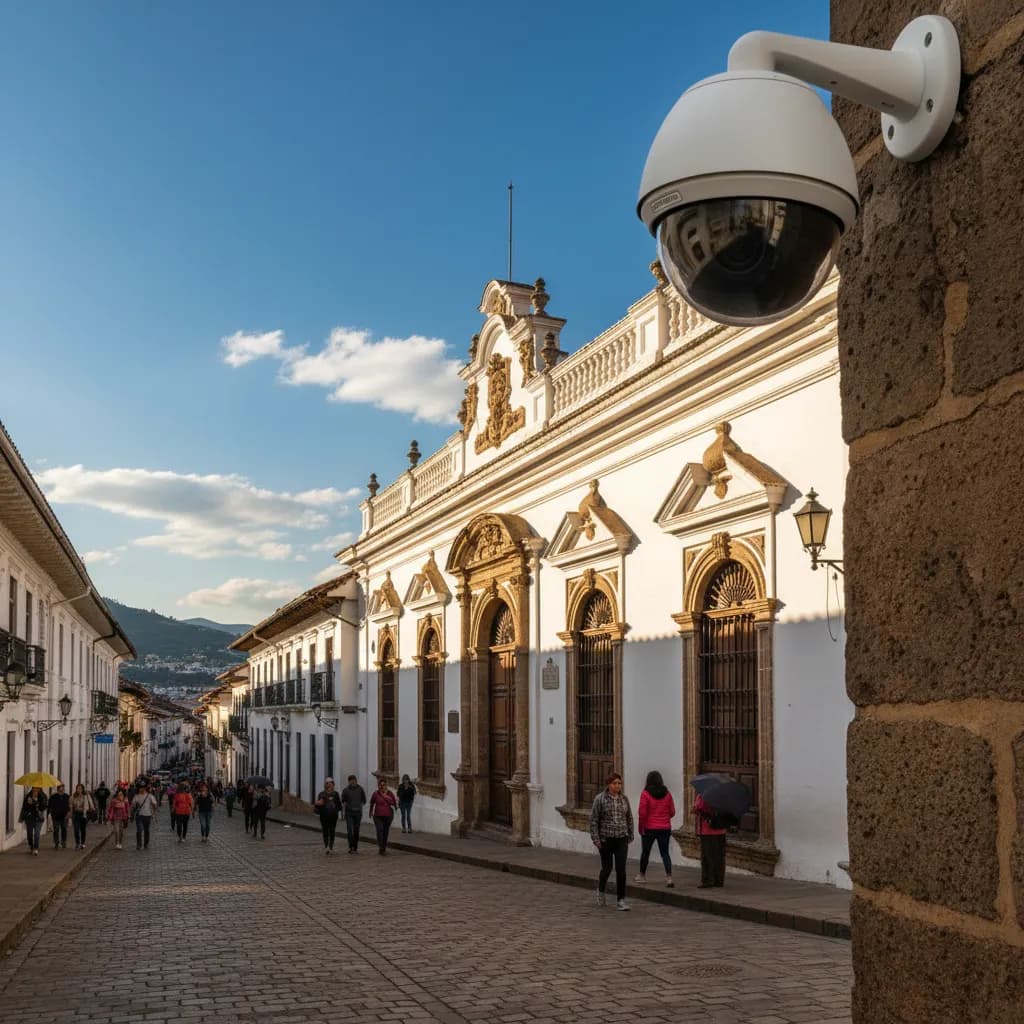
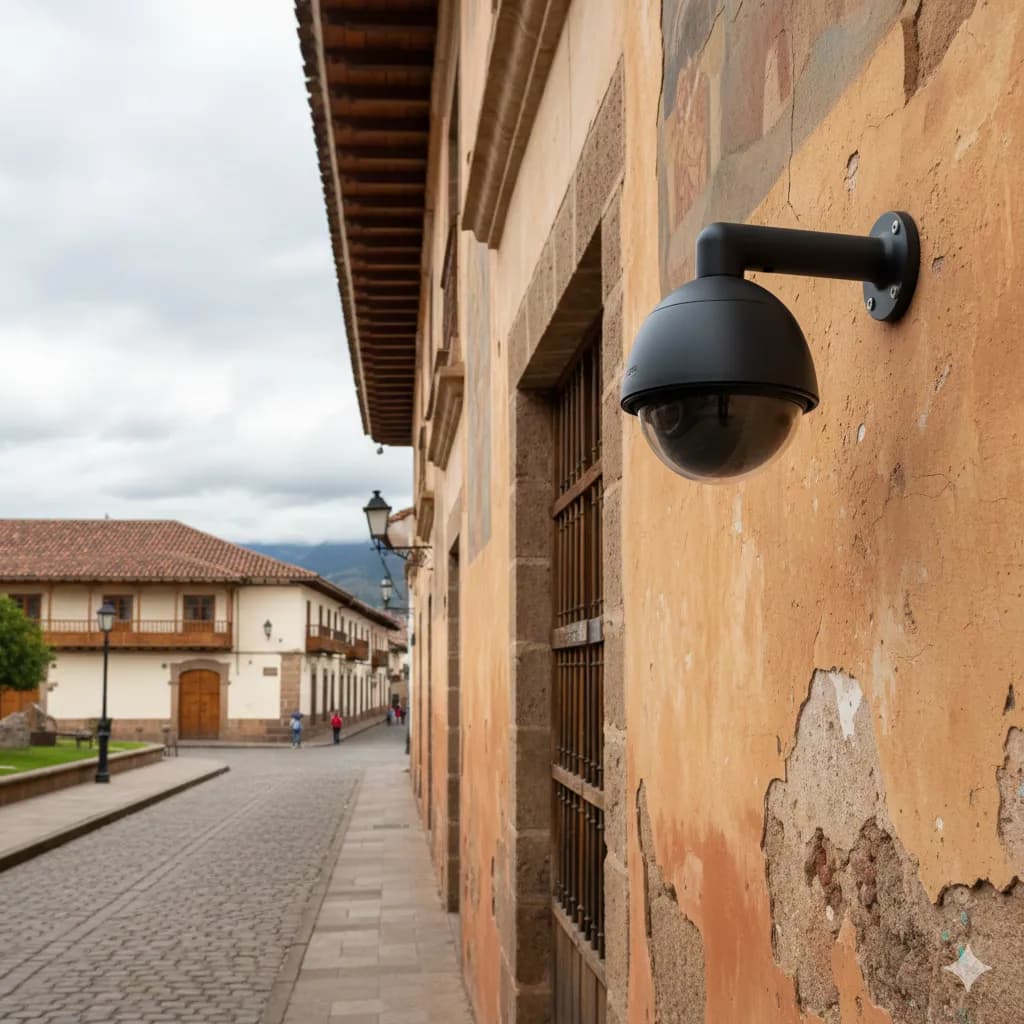
Cuenca Just Installed 90 AI-Powered Surveillance Cameras at Every City Entrance

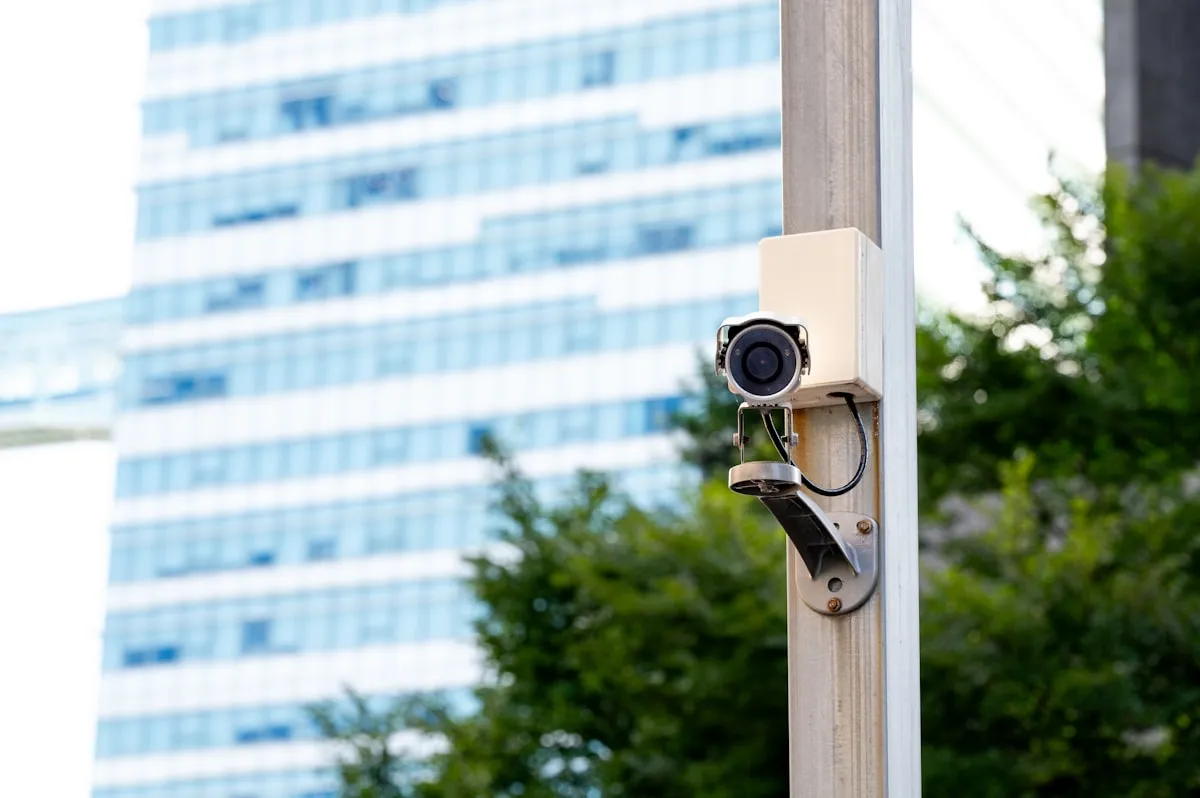
90 New Cameras, AI Detection, License Plates at Every Entrance
Cuenca's municipal government just made a significant upgrade to the city's security infrastructure — and if you live here, it's worth knowing about.
The Consejo de Seguridad Ciudadana de Cuenca has installed 90 new surveillance cameras across the city, all connected to the ECU 911 emergency response center. But these aren't your standard CCTV units.
What Makes These Different
The new camera system includes:
- Panoramic vision — 360-degree coverage with no blind spots
- AI-powered detection and tracking — automatic identification of suspicious activity, vehicle tracking, and behavioral analysis
- Remote movement control — operators can pan, tilt, and zoom from the monitoring center
- High-precision zoom — able to read details from significant distances
- License Plate Recognition (LPR) — cameras at every major entrance and exit point to the city
That last point is the big one. Every vehicle entering or leaving Cuenca now passes through a license plate reader. The system creates a digital record of vehicle movement in and out of the city — a powerful tool for tracking stolen vehicles, identifying suspects, and deterring crime.
The Country's Largest AI Monitoring Room
Alongside the cameras, Cuenca launched what officials are calling the largest AI-powered monitoring room in Ecuador. This centralized facility processes feeds from across the camera network in real time, using artificial intelligence to:
- Flag unusual patterns (vehicles circling, people loitering in restricted areas)
- Track specific vehicles across multiple camera feeds
- Alert operators to potential incidents before they escalate
- Cross-reference license plates against databases of stolen vehicles and wanted persons
All of this feeds into the ECU 911 system, meaning that camera-detected incidents can trigger immediate emergency response — police, ambulance, or fire — through the same unified system.
Where Are the Cameras?
The 90 cameras are distributed across:
- All major entrances and exits to the city (LPR cameras)
- The historic center — Parque Calderón, San Blas, and surrounding streets
- High-traffic corridors — main avenues and commercial zones
- Bus terminals and transportation hubs
Exact locations aren't publicly detailed (for obvious security reasons), but the coverage is designed to create a comprehensive net around the urban core.
Context: Cuenca vs. the Rest of Ecuador
This investment comes while other parts of Ecuador deal with very different security realities:
- Nine provinces are under a 60-day state of emergency (declared January 1, 2026) due to organized crime and gang activity — Guayas, Manabí, Santa Elena, Los Ríos, El Oro, Esmeraldas, Pichincha, Santo Domingo, and Sucumbíos
- Azuay province (Cuenca) is NOT included in any state of emergency
- Cuenca remains consistently ranked among the safest cities in South America for 2026
The camera investment isn't a response to a local crisis — it's a proactive measure by a city government that has made safety a branding priority. It sends a message: Cuenca takes security seriously before problems arrive, not after.
What This Means for Expats
The good news: You live in a city that is actively investing in modern safety infrastructure. The AI-powered system is a significant upgrade from passive CCTV, and the license plate tracking at city entrances adds a layer of vehicle security that most Latin American cities don't have.
The privacy question: Some residents have raised concerns about the scope of AI-powered surveillance. License plate tracking at every city entrance means the government can, in theory, know when any vehicle enters or leaves Cuenca. Whether you see this as reassuring or concerning depends on your perspective — but it's worth knowing it exists.
Practical impact: If your car gets stolen, the LPR system significantly improves the chances of recovery. If there's a security incident in your neighborhood, the AI detection system may alert authorities faster than a phone call.
Emergency Contacts
As always, if you need help:
- ECU 911 — call 911 from any phone for police, ambulance, or fire
- Policía Nacional — 101
- Bomberos (Fire) — 102
Sources: GAD Municipal de Cuenca, Xinhua, SafeAbroad
Keep Cuenca's daily expat briefing independent.
Reader support helps pay for reporting, translation, editing, hosting, and the daily work behind CuencaExpat.
More in News
View all →Gapal Interchange Project Faces Claims Amidst Bidding Process in Cuenca
September 21, 2026
Azuay Prosecutors Request Hearing for Suspended Cuenca Mayor Cristian Zamora Amid Health Travel Announcement
September 21, 2026
Azuay Authorities Coordinate Provincial Simulation to Prepare for El Niño Scenarios
September 19, 2026