Ecuador's Coast Is Flooding — But Here's Why Cuenca Expats Should Still Pay Attention

What's Happening
On February 27, 2026, Ecuadorian authorities declared a 90-day regional state of emergency across five coastal provinces:
- Guayas (includes Guayaquil)
- Esmeraldas
- Los Ríos
- El Oro
- Santa Elena
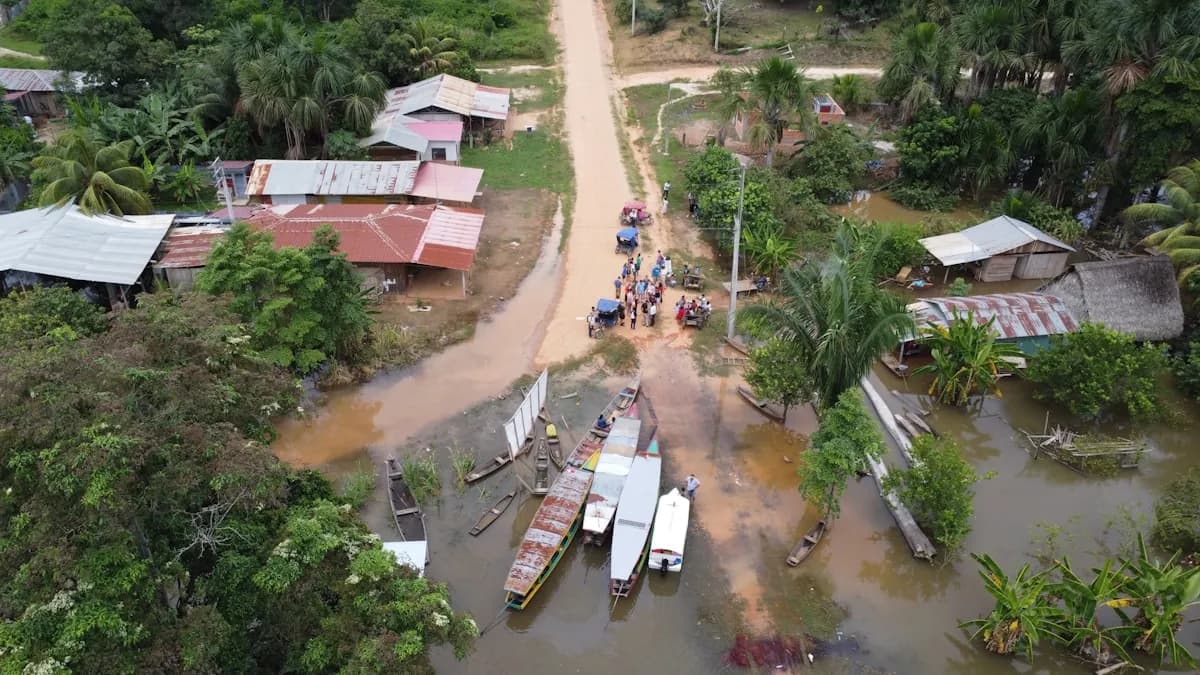
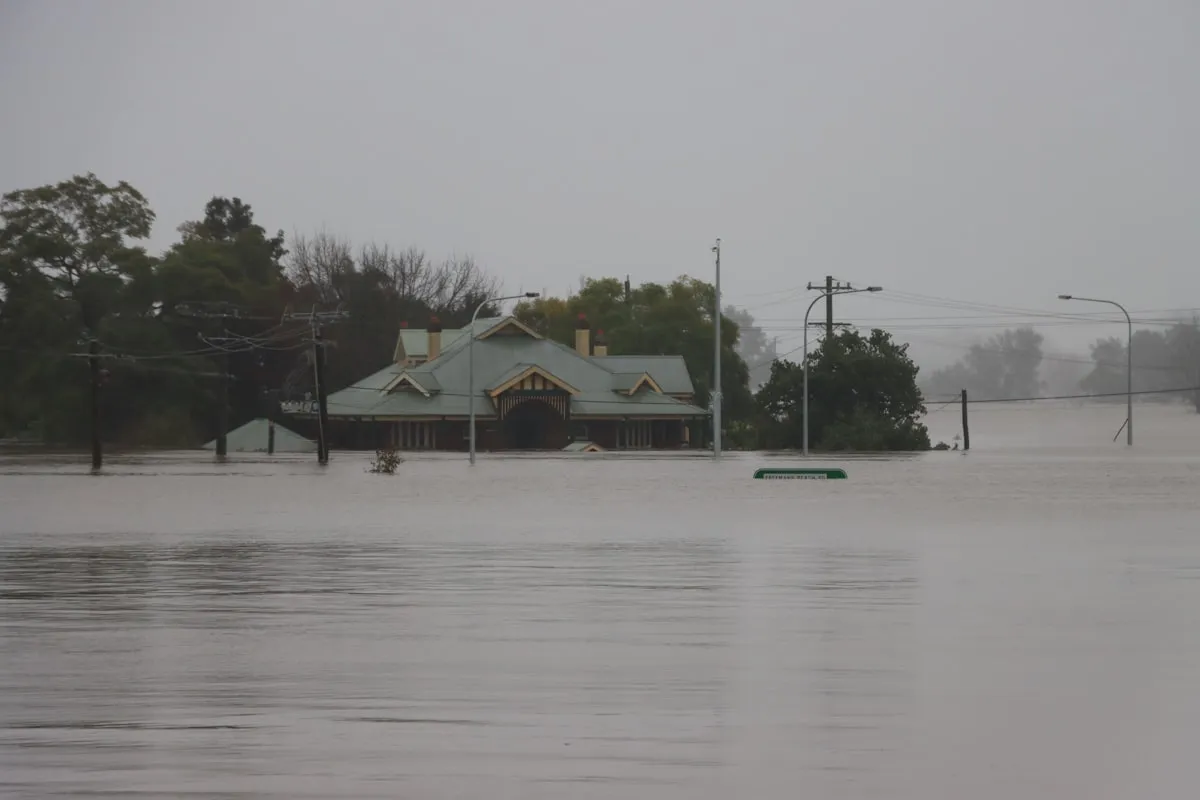
The cause: relentless heavy rainfall that has overwhelmed drainage systems, rivers, and infrastructure across the coast. In Esmeraldas province alone, nearly 12,000 people were affected, with some areas receiving 12 consecutive hours of rain. Nationally, flooding has impacted over 200,000 people.
Emergency Operations Committees remain active in all five provinces, and moderate-to-heavy rains are forecast through at least early March.
Cuenca Is Not Affected
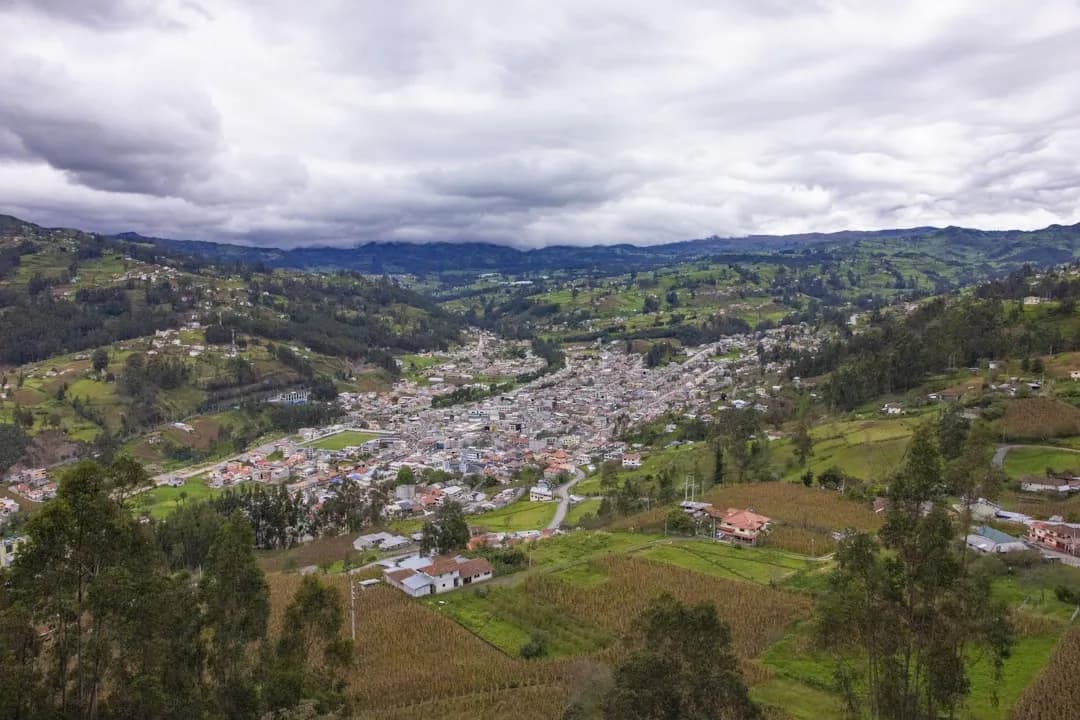
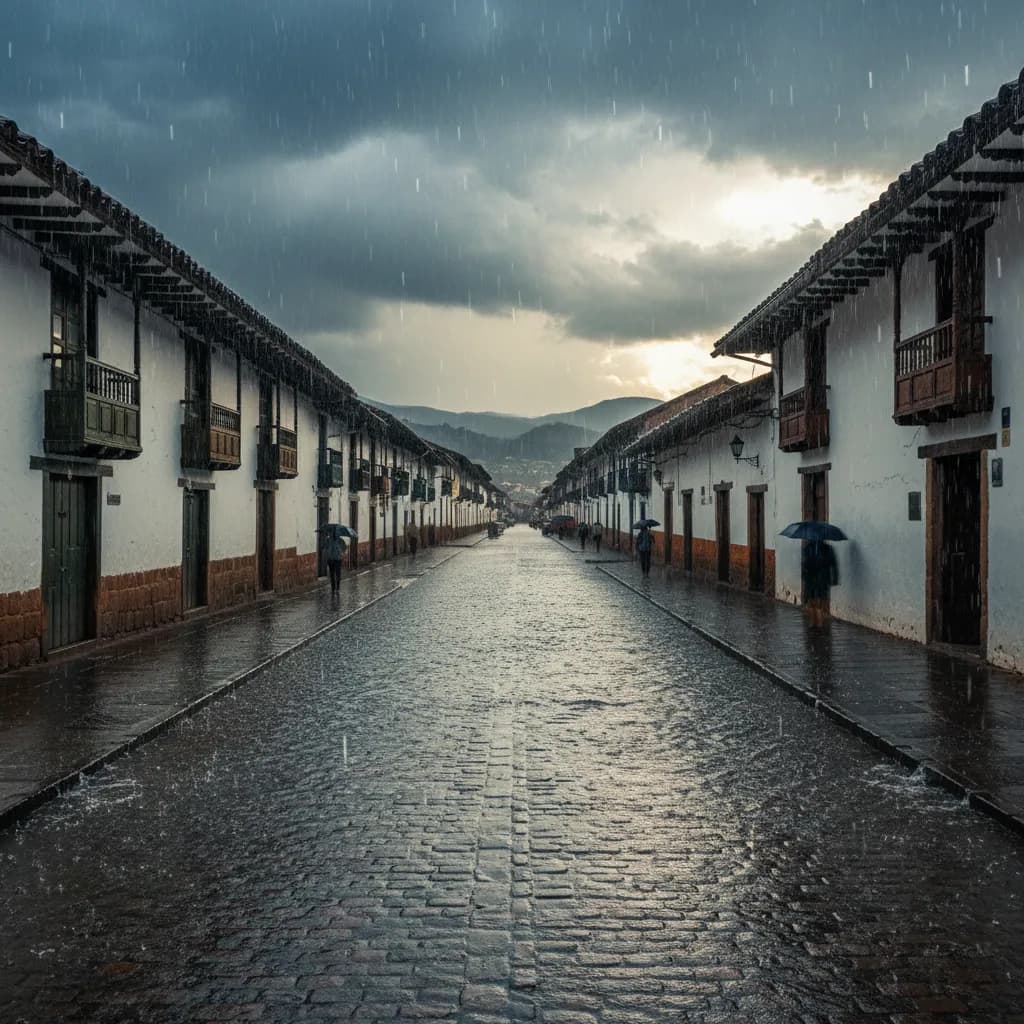
Let's get this out of the way first: Cuenca and the Azuay highlands are not under any flood emergency. The topography, drainage, and climate of the sierra are completely different from the coast. Cuenca is getting its normal March rains — afternoon showers, nothing unusual.
None of the five emergency provinces include Azuay, Cañar, or any highland province.
Why You Should Still Care
Even though Cuenca is dry and safe, the coastal emergency affects expats in several practical ways:
1. Guayaquil Airport & Coastal Travel
If you're flying in or out of Ecuador, you probably connect through José Joaquín de Olmedo International Airport in Guayaquil — which is in the middle of the flood zone.
What to watch for:
- Flight delays and cancellations due to weather
- Road closures between Guayaquil airport and surrounding areas
- Disrupted bus service on coastal routes
What to do: If you have travel plans to the coast in March, check airline status before heading to the airport. Consider routing through Quito if possible. If driving, check road conditions through ECU 911 or the MTOP (Ministry of Transport) social media accounts before departing.
2. Coastal Road Closures
The main highways connecting the highlands to the coast — including the Cuenca-Machala and Cuenca-Guayaquil routes — pass through flood-prone lowlands. Road closures and detours are possible throughout March.
3. Beach Plans? Check First.
If you were planning a weekend at the beach — Montañita, Salinas, Puerto López — be aware that Santa Elena and Manabí provinces are experiencing heavy weather. Roads may be impassable and beach conditions dangerous.
4. The Silver Lining: Hydroelectric Reservoirs
Here's the irony: the same rain causing devastation on the coast is filling the hydroelectric reservoirs that power Ecuador's electrical grid.
After the devastating 2024 blackout crisis, power generation has been a top concern. The heavy 2026 rainy season has pushed reservoir levels to healthy ranges, significantly reducing the risk of blackouts in the highlands for the coming months.
So while the coast suffers, Cuenca's lights stay on.
The Humanitarian Situation
The numbers are significant:
| Impact | Figure |
|---|---|
| People affected | 200,000+ nationally |
| Esmeraldas displacement | ~12,000 people |
| Duration of emergency | 90 days from Feb 27 |
| Provinces under emergency | 5 (Guayas, Esmeraldas, Los Ríos, El Oro, Santa Elena) |
| Forecast | Moderate-to-heavy rains continuing through March |
The coastal flooding hits the most vulnerable populations hardest — rural communities with informal housing, poor drainage, and limited emergency infrastructure.
How to Help
If you want to contribute:
- Cruz Roja Ecuatoriana (Ecuadorian Red Cross) is active in all five provinces and accepts donations
- UNICEF Ecuador is coordinating child protection services in affected areas
- Local churches and community organizations in Cuenca occasionally organize supply drives for coastal relief — check GringoTree and local Facebook groups for announcements
Practical Takeaways
- Not traveling to the coast? This doesn't affect you directly. Cuenca is fine.
- Flying through Guayaquil? Build in buffer time and have a backup plan.
- Driving to the coast? Check road conditions before you go.
- Worried about power? Don't be — the rain is actually helping hydroelectric generation.
- Want to help? Cruz Roja Ecuatoriana is the most direct channel.
Sources: UN OCHA, AccuWeather, GDACS Flood Report
Keep Cuenca's daily expat briefing independent.
Reader support helps pay for reporting, translation, editing, hosting, and the daily work behind CuencaExpat.
More in News
View all →Gapal Interchange Project Faces Claims Amidst Bidding Process in Cuenca
September 21, 2026
Azuay Prosecutors Request Hearing for Suspended Cuenca Mayor Cristian Zamora Amid Health Travel Announcement
September 21, 2026
Azuay Authorities Coordinate Provincial Simulation to Prepare for El Niño Scenarios
September 19, 2026