Cuenca’s Water Starts in the Páramos. Here’s Why That Matters.

Source: El Mercurio
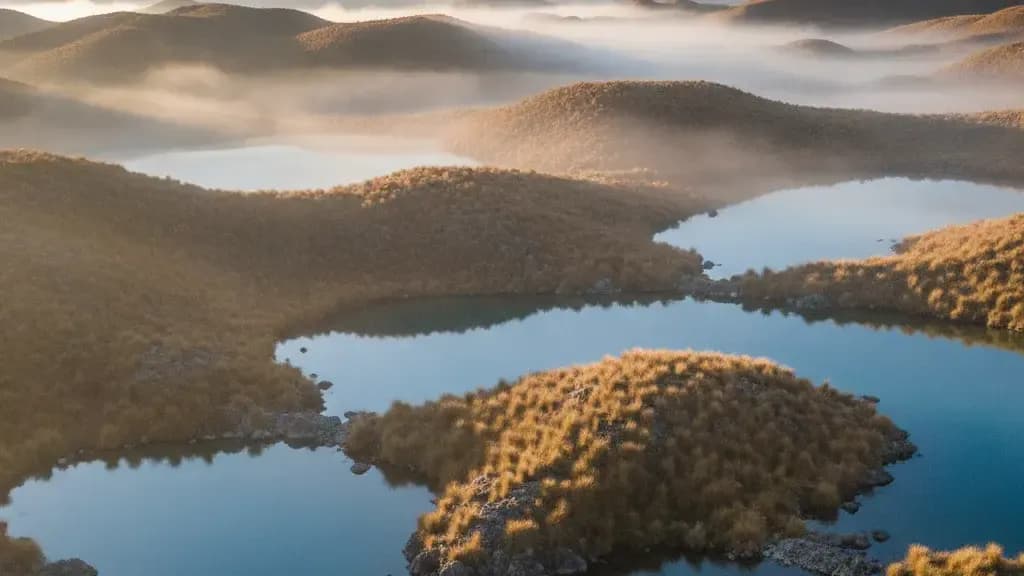
Cuenca's water story starts far above the city, in the páramos.
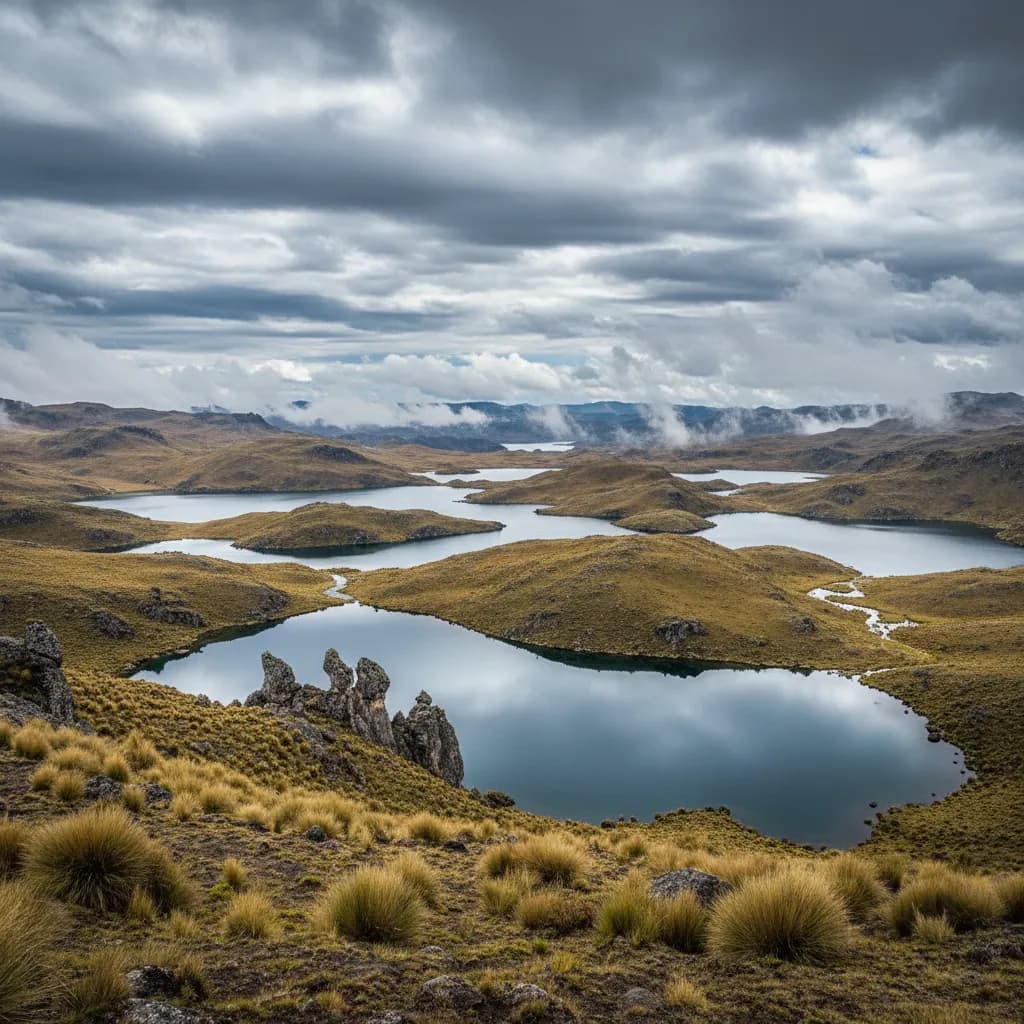
The water that reaches homes in Cuenca is captured in high mountain ecosystems such as Parque Nacional Cajas, Mazán, Chanlud, Quimsacocha and the Yanuncay-Zhucay conservation area. These places catch rain, mist and dew, store water in their soils, and release it slowly into streams and rivers throughout the year.
The Big Number
Environmental engineer Juan Troya says more than 60% of Cuenca's drinking water comes from the Parque Nacional Cajas ecosystem. In some periods, that dependence can approach 70%.
That matters because around half a million people depend directly or indirectly on these ecosystems.
Troya describes the páramo as a giant natural sponge. Its organic-rich soils hold large volumes of water and release them gradually, which helps maintain flows during dry periods.
What the Páramo Does
The source identified six key functions:
- Water supply: it captures rain, mist and dew that feed rivers, streams and lagoons.
- Water regulation: it stores water in the soil and releases it gradually through the year.
- Biodiversity: it supports species such as the spectacled bear, Andean condor, mountain tapir, páramo deer and endemic birds.
- Carbon capture: its soils store large amounts of organic carbon.
- Environmental and economic support: available water supports human use and high-mountain tourism.
- Territorial function: more than 28,000 hectares of páramo and high-Andean forest around Cajas and nearby massifs regulate Cuenca's water system.
The protected Cajas area includes around 230 lagoons and extends from 3,200 to 4,450 meters above sea level.
Why This Became Urgent
The extreme drought of 2024 pushed ETAPA EP, Cuenca's water and telecom utility, to speed up land purchases in the upper Yanuncay basin.
ETAPA manager Verónica Polo said Cuenca came close to facing rationing. The municipality acquired 1,197 hectares of páramo and wetlands in Genjeno, next to Parque Nacional Cajas, to protect the city's water sources.
The municipal strategy is to avoid human intervention in recharge zones and create ecological corridors between Cajas, Quimsacocha and Yanuncay.
What This Means If You Live Here
This is the practical part: Cuenca's water security is not just about pipes, reservoirs or bills. It depends on whether the high-altitude ecosystems above the city keep functioning.
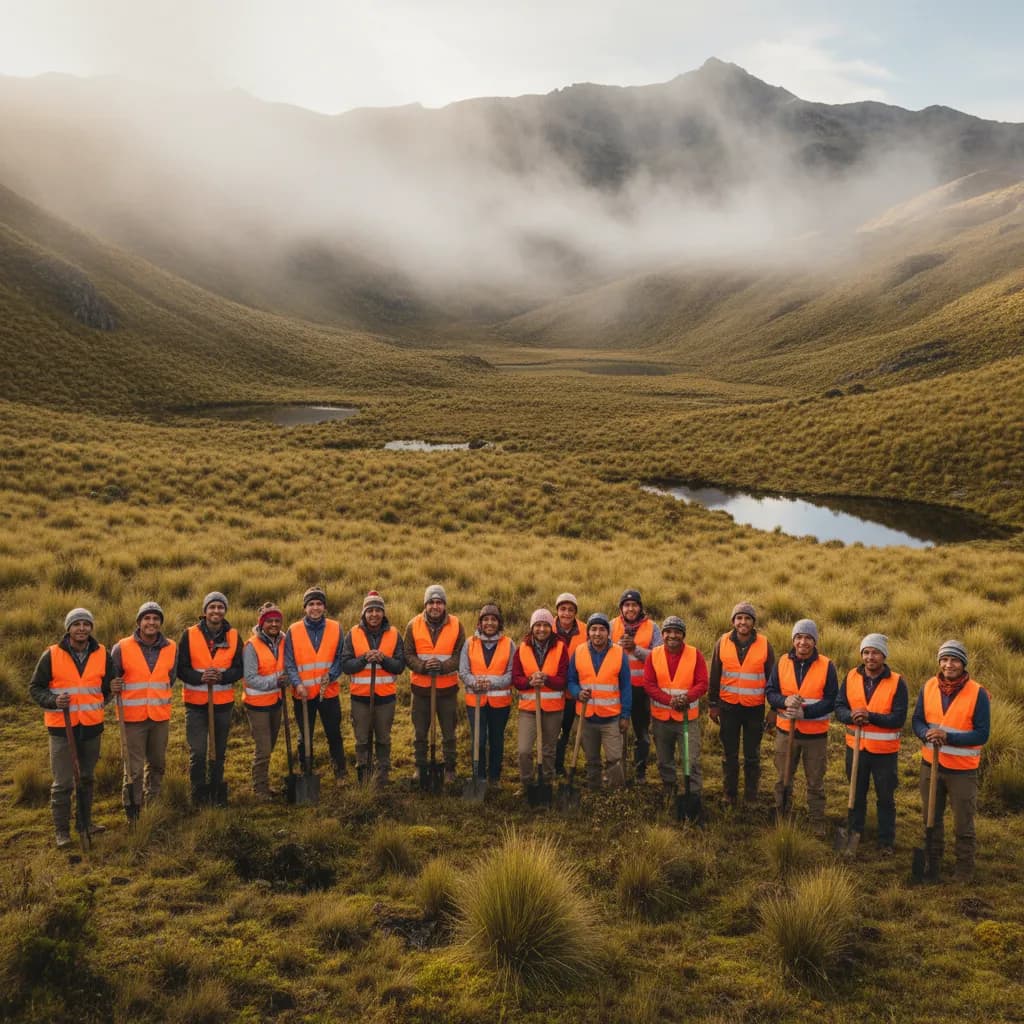
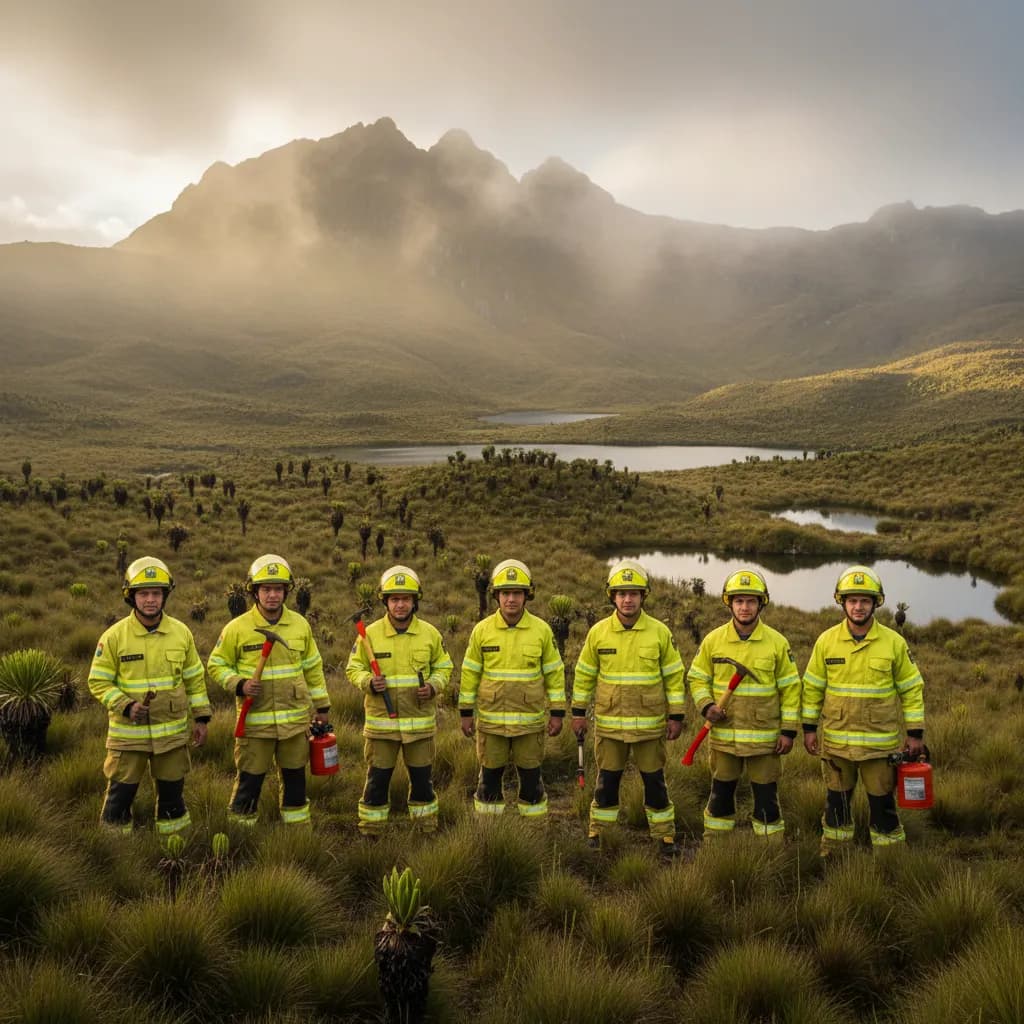
Fire, human pressure and climate change can permanently alter páramo soils and reduce their ability to store water. ETAPA is maintaining refuges and weather stations in the upper Yanuncay basin to monitor the territory and prevent fires.
Ecuador marks National Páramo Day every June 23. For Cuenca, that is not a symbolic date. It is a reminder that the city's water begins in places most residents rarely see.
Keep Cuenca's daily expat briefing independent.
Reader support helps pay for reporting, translation, editing, hosting, and the daily work behind CuencaExpat.