Cuenca's Tram-Bus Card Integration Is Still Suspended

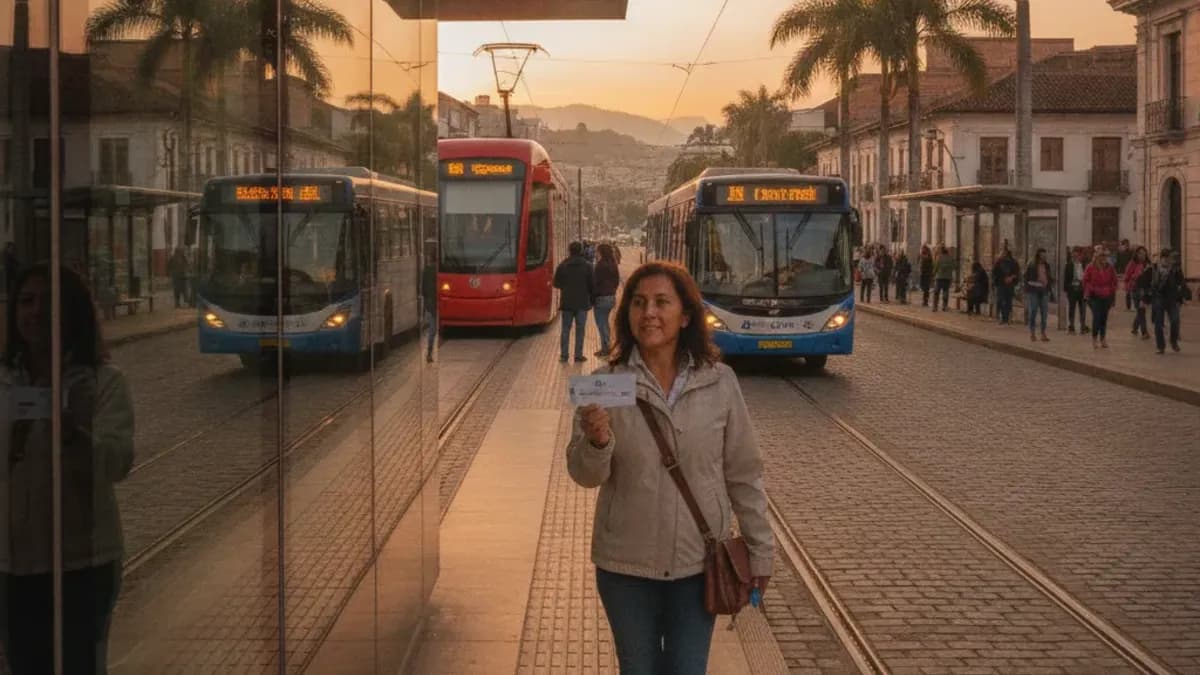
Cuenca's plan to connect the tram and urban bus payment systems is still stuck in procurement review.
The project is meant to make the city's mobility system less annoying: one card that can be read across the tram and the urban bus network, instead of separate validation platforms for each service.
What Is Suspended
The process is suspended in the SERCOP public procurement portal while the agency reviews additional documentation sent by the Municipality.
The suspension came after claims from companies that were disqualified during the offer-evaluation stage. Five companies participated in the reverse auction process, two were cleared for the bidding phase, and one presented the lowest economic offer.
Why Riders Should Care
Municipal data says about 14,000 people validate cards on both urban buses and the tram during a single trip pattern.
The contract would cover the technology needed for one card to work across the 475 urban buses and the tram system. That includes software, chips and equipment for interoperability.
Right now, each system uses independent validation platforms, which is why people who combine both services still deal with separate cards.
The Money And Timeline
The reference budget is $1.1 million. The leading bid in the auction was around $950,000.
The contract includes a nine-month implementation phase and three additional years of maintenance, beginning after the contract is signed and the advance payment is delivered.
City mobility officials say that if SERCOP does not lift the suspension in the coming weeks, the current process could be declared void and a new one launched with the same technical specifications, budget and scope.
What This Means For Expats
If you use the tram casually, this may not change your week. But if you live outside El Centro and combine buses with the tram, this is the kind of backend project that could eventually make daily movement much smoother.
For now, keep treating the tram and buses as separate systems. The city wants interoperability first. A later fare integration would still require additional studies.
Keep Cuenca's daily expat briefing independent.
Reader support helps pay for reporting, translation, editing, hosting, and the daily work behind CuencaExpat.