2026 Ecuador Economic Snapshot: What Expats Should Know About Growth, Inflation, and the Dollar


The Big Picture
If you're an expat living in Ecuador — or thinking about moving — the economic fundamentals for 2026 are looking solid. Not spectacular, not crisis-level. Just steady, which is exactly what you want from the country where your money lives.
Here's the snapshot.
Growth: Slow but Real
The IMF projects 2.0% GDP growth for Ecuador in 2026. That's modest by Latin American standards, but it's a meaningful improvement from the economic turbulence of 2024-2025.
What's driving it:
- Normalization of hydroelectric output (no more blackout-induced economic drag)
- Political stability after the 2025 elections
- Household consumption fueled by remittances (5% of GDP) and real wage gains
- New mining and construction investment
What could slow it down:
- Global commodity price volatility
- Continued El Niño-related weather disruption on the coast
- Fiscal tightening if government revenues underperform
Inflation: Practically Zero
This is the headline number for expats: 1.5% projected inflation for 2026.
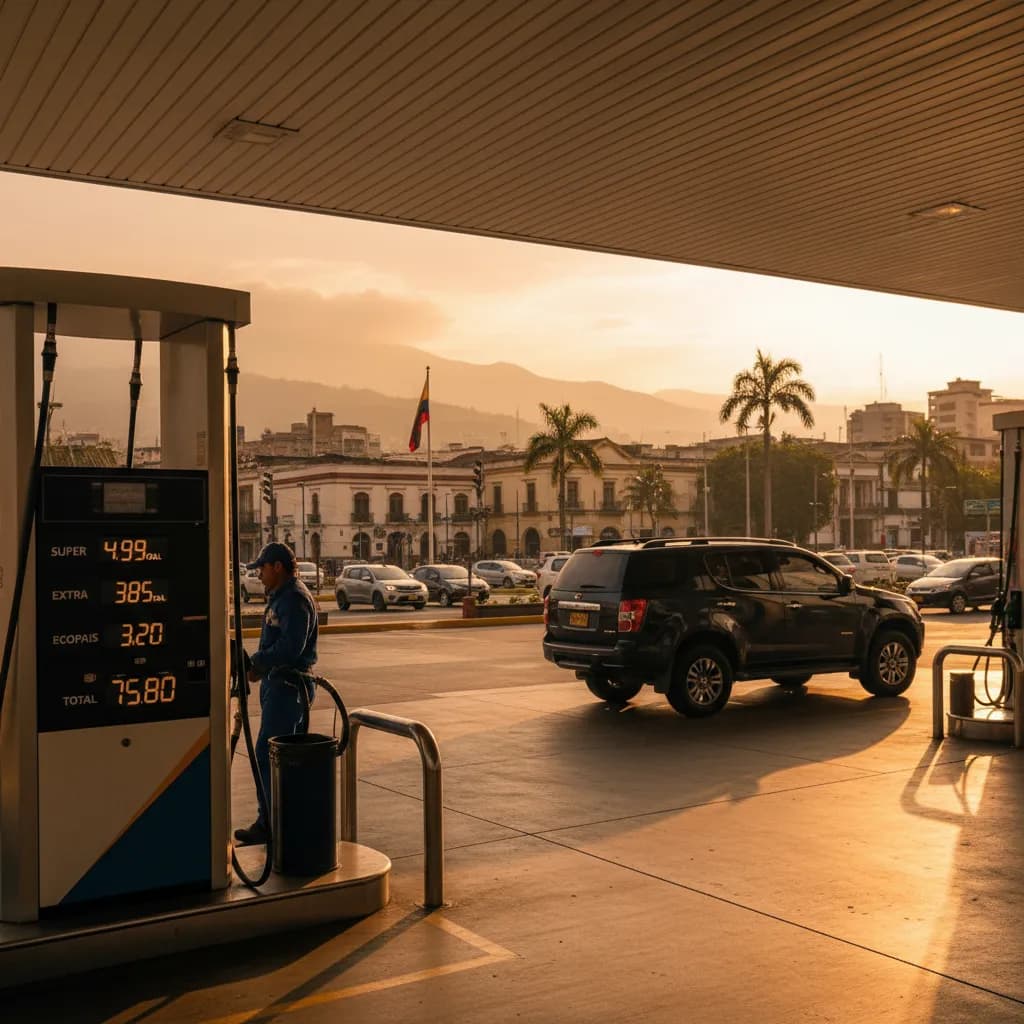
For context, that's lower than the United States, Canada, and most of Europe. And because Ecuador uses the US dollar, there's no currency risk to worry about — your dollars buy roughly the same amount of groceries, rent, and services they bought last year.
The dollarized economy is Ecuador's superpower for expats. While retirees in Mexico, Colombia, and Thailand watch exchange rates eat into their purchasing power, your Social Security check or pension hits at the same value here month after month.
The US Trade Deal
The biggest economic story of 2026 is the US-Ecuador Agreement on Reciprocal Trade (ART), substantially concluded in February:
- Tariffs removed or reduced on more than 100 Ecuadorian export products (bananas, shrimp, cocoa, flowers)
- Ecuador lowers tariffs on US machinery, health products, ICT equipment, and agricultural goods
- Ecuador's Trade Minister projects 15% annual export growth to the US through 2030
- Shrimp and seafood producers are now more competitive than Asian suppliers after tariff removal
Why this matters to you: A stronger export economy means more jobs, more tax revenue, and a healthier economic environment in the country you live in. It also means potentially lower prices on imported US goods — electronics, certain foods, medical equipment.
The Numbers That Matter
| Indicator | 2026 Value |
|---|---|
| GDP Growth | 2.0% (IMF projection) |
| Inflation | 1.5% |
| Basic Salary | $482/month |
| Currency | US Dollar (no exchange risk) |
| Unemployment | ~4.5% |
| Key Exports | Shrimp, bananas, cocoa, flowers, oil |
Basic Salary: $482/Month
The salario básico unificado (minimum wage) increased to $482/month in January 2026. This is the number that drives most cost calculations in Ecuador:
- Visa income thresholds are multiples of this (3x for retirement visa = ~$1,446/month)
- Social security contributions are based on it
- Service worker wages benchmark from it
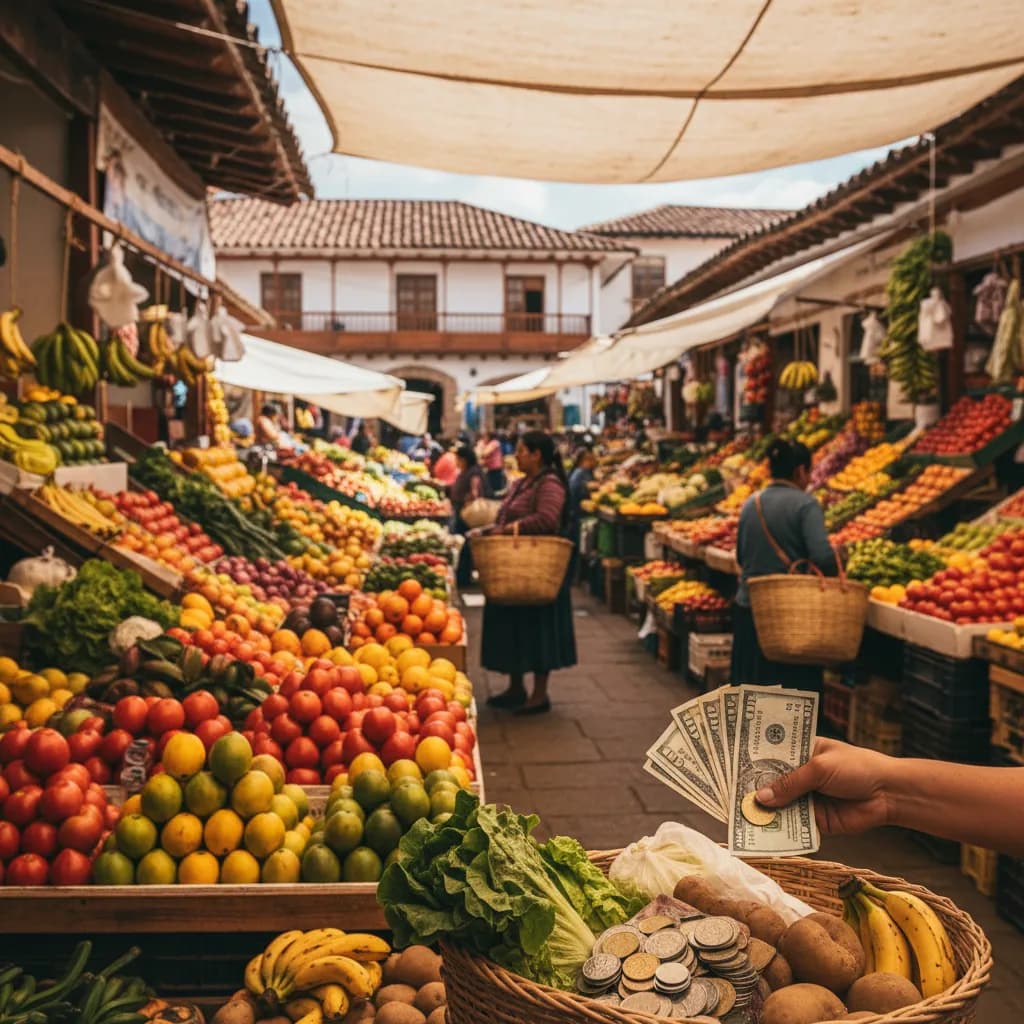
For expats, $482/month is still remarkably low by US/Canadian/European standards. A housekeeper, gardener, or part-time helper earning minimum wage costs you under $500/month including benefits. That math is a major reason many expats choose Ecuador.
What Does This Mean for Cost of Living?
The short answer: life in Cuenca remains affordable.
Most expats report living well on $2,000-2,500/month for a couple, including rent, food, healthcare, utilities, and entertainment. That buys you:
- A nice 2-3 bedroom apartment in a good neighborhood
- Full private health insurance
- Eating out several times a week
- Domestic help
- All utilities including internet
With 1.5% inflation, those numbers aren't moving much year to year. Compare that to the 3-5% annual cost increases retirees face in the US.
Risks to Watch
- Government fiscal health — Ecuador's debt-to-GDP ratio is manageable but the government needs to maintain discipline. IMF program compliance helps.
- Oil prices — Ecuador is still an oil exporter, though less dependent than a decade ago. A sharp oil price drop would pressure government budgets.
- El Niño — The coastal flooding emergency (see our separate article) can disrupt agriculture and infrastructure, though it doesn't directly affect the highlands.
- Political stability — President Noboa starts his full term in 2026 with a relatively stable mandate, but Ecuadorian politics can shift quickly.
Bottom Line
Ecuador's economy in 2026 is doing what expats need it to do: staying stable, keeping inflation near zero, and strengthening trade relationships with the US. The dollarization provides a floor that most Latin American countries can't match.
Is it a booming economy? No. But for people living on fixed incomes, remote work earnings, or modest investments, the combination of low inflation, dollar stability, and affordable cost of living makes Ecuador one of the most financially predictable places to live in the region.
And with the new trade deal locking in tariff reductions, the outlook for the next several years just got a little brighter.
Sources: IMF, FocusEconomics, Americas Quarterly, Allianz Trade, USTR
Keep Cuenca's daily expat briefing independent.
Reader support helps pay for reporting, translation, editing, hosting, and the daily work behind CuencaExpat.
More in News
View all →Gapal Interchange Project Faces Claims Amidst Bidding Process in Cuenca
September 21, 2026
Azuay Prosecutors Request Hearing for Suspended Cuenca Mayor Cristian Zamora Amid Health Travel Announcement
September 21, 2026
Azuay Authorities Coordinate Provincial Simulation to Prepare for El Niño Scenarios
September 19, 2026