Gas and Diesel Prices Rising April 12 — What's Changing at the Pump

Another Price Adjustment at the Pump
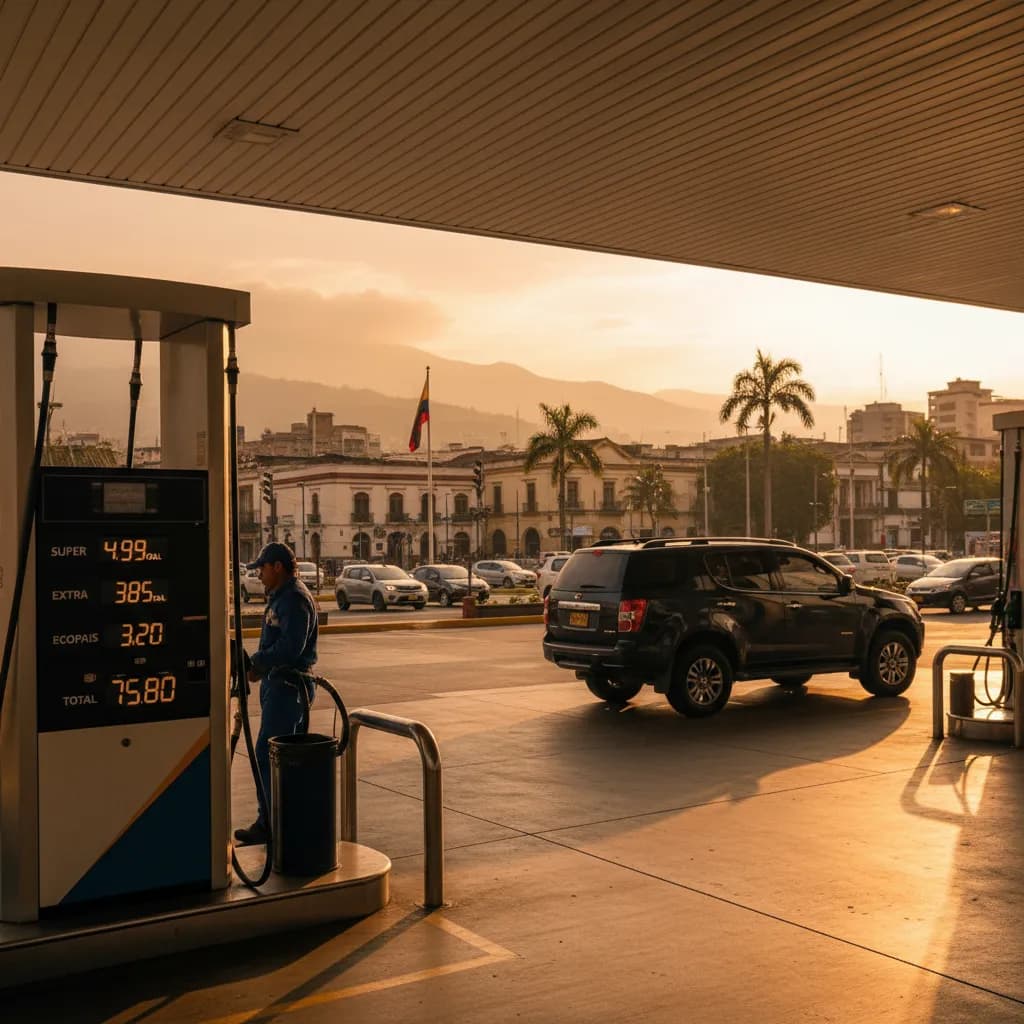
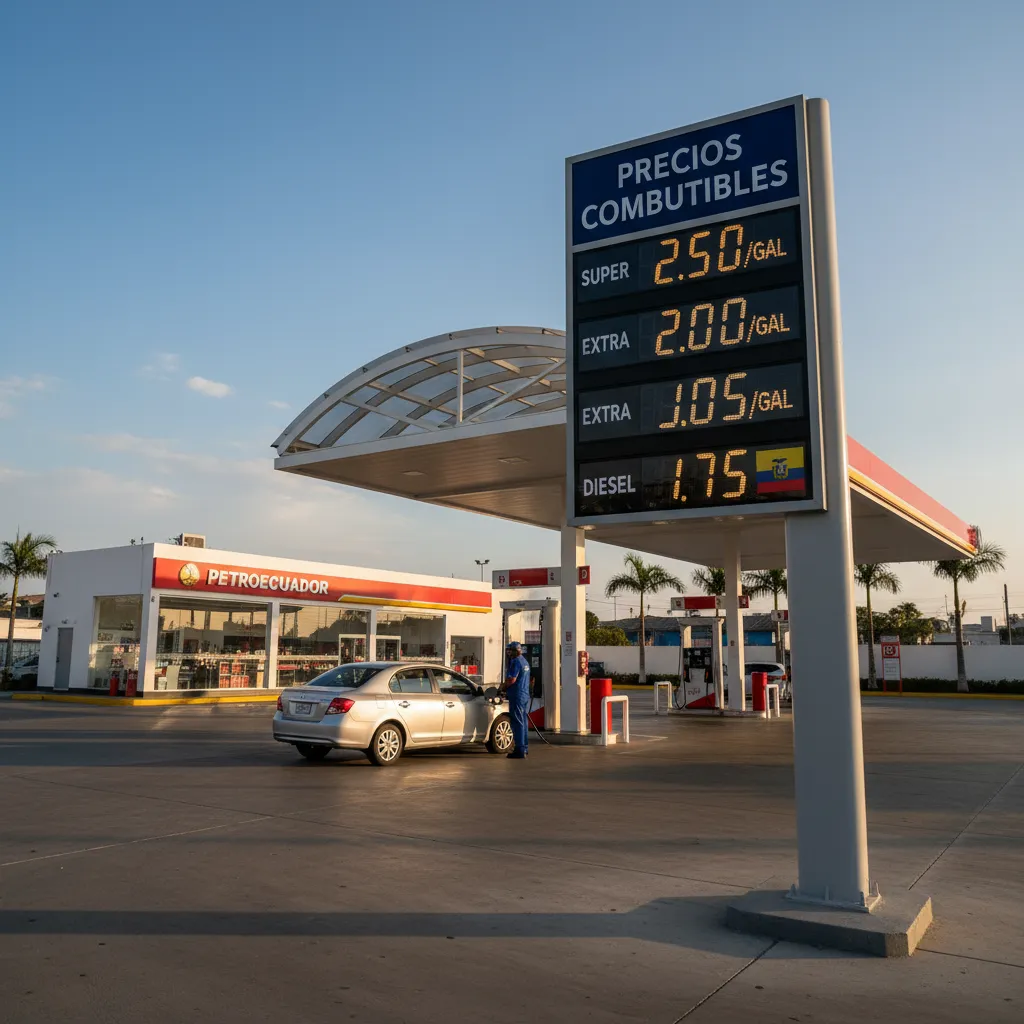
Ecuador's monthly fuel price adjustment is scheduled for April 12, and the direction is up. Extra, Ecopaís, and diesel — the fuels most Ecuadorians and expats actually buy — are all getting more expensive. The exact increase won't be confirmed until the 12th, but the trajectory is clear.
Super premium gasoline stays at its current price. That's the 92-octane fuel you'd use in higher-end vehicles, and because it follows a different pricing formula, it's not affected by this adjustment.
What's Driving the Increase
Two forces are pushing prices higher:
1. Global oil prices are climbing. Crude oil on international markets has been trending upward over the past several weeks, driven by geopolitical tensions, OPEC production decisions, and seasonal demand. Ecuador imports a significant portion of its refined fuel, so international prices translate directly to local prices.
2. Ecuador's domestic pricing formula. Since the government ended fuel subsidies for certain fuels last year, pump prices now adjust monthly based on a formula that incorporates global crude prices, refining costs, and distribution expenses. When the formula says prices go up, they go up — automatically.
This is different from the old model, where fuel prices were fixed by government decree and subsidies absorbed international price fluctuations. Under the new formula, consumers feel those fluctuations directly.
What Each Fuel Is Used For
For expats who haven't paid close attention to which pump they're pulling up to:
- Extra (85 octane) — The cheapest and most widely sold gasoline. Used by the majority of taxis, older vehicles, and budget-conscious drivers
- Ecopaís (87 octane) — A slightly higher-grade fuel with ethanol blending. Common in newer economy vehicles
- Super (92 octane, premium) — Used by higher-performance vehicles, luxury cars, and some imports. Not affected by this increase
- Diesel — Used by trucks, buses, many SUVs, and most commercial vehicles
If you drive a standard economy car (Chevrolet Sail, Kia Picanto, Hyundai Accent, etc.), you're probably filling up with Extra or Ecopaís. This increase hits you.
The Ripple Effects
Fuel price increases don't stay at the pump — they ripple through the economy:
Grocery prices. Almost all food in Cuenca arrives by truck, most of which run on diesel. When diesel goes up, transportation costs go up, and eventually grocery prices follow. The lag is usually 2-4 weeks.
Taxis and transportation. Most Cuenca taxis run on Extra gasoline. Taxi unions typically negotiate with the city for rate adjustments when fuel prices rise significantly. Uber, InDrive, and similar services adjust pricing automatically through their algorithms.
Public transportation. Cuenca's buses run on diesel. Fare increases for municipal transport require city council approval and tend to lag fuel price changes by months, but they do eventually happen.
Delivery services. Rappi, PedidosYa, and similar apps see their delivery fees track with fuel prices over time.
General cost of living. Fuel is embedded in nearly every good and service. Electricity generated at thermal plants, construction materials, imported goods — all of it touches fuel somewhere in the supply chain.
What This Means for Expats
- If you have a car, fill up before April 12. You'll save a few dollars. Not life-changing, but the adjustment takes effect that day, so timing matters
- Expect grocery prices to creep up over the next month. Not dramatically, but noticeably. Combined with the recent IVA changes, your monthly grocery budget is under pressure from multiple directions
- Taxi fares will probably increase within 1-2 months. Don't be surprised when your usual $2.50 ride becomes $3.00. Negotiate with drivers respectfully — they're feeling the squeeze too
- Uber and InDrive will adjust automatically. You'll see the change in app-reported fares
- If you're comparing the cost of owning a car vs. taking taxis, keep in mind that car ownership gets more expensive every time fuel prices adjust. Cuenca's taxi network is excellent and fares remain affordable
- Super premium is unaffected, but that's small consolation if your vehicle doesn't require it
- Budget an additional $15-30/month in combined fuel, transportation, and grocery costs depending on how much you drive and how you shop. It's not catastrophic, but it adds up
- This is a permanent shift in how Ecuador prices fuel. Expect monthly adjustments — sometimes up, occasionally down — for the foreseeable future. The days of fixed fuel prices are gone
- Public transportation remains the best deal. A bus ride in Cuenca is still 35 cents. The tranvía is 35 cents. Even with fuel increases, public transit is the cheapest way to move around
The adjustment on April 12 is modest. The pattern — monthly price volatility tied to global oil markets — is the real change. Welcome to the new normal.
Source: Primicias
Keep Cuenca's daily expat briefing independent.
Reader support helps pay for reporting, translation, editing, hosting, and the daily work behind CuencaExpat.