Loading...
Stories, tips, and insights from the expat community in Cuenca
Search results for “utilities”Clear search
GDP growing at 2%, inflation at just 1.5%, a new US trade deal boosting exports, and the basic salary up to $482/month. Here's what Ecuador's 2026 economy actually looks like — and why it matters if you live here.
Opening a bank account in Ecuador isn't hard — but the requirements vary wildly between banks. Here's what Banco Pichincha, Banco del Austro, JEP, and other institutions actually ask for, and which ones are easiest for expats.
Cuenca's waste management company switched how it charges you for garbage collection. The new system dropped senior discounts, changed the billing method, and left EMAC with a $500,000 monthly shortfall. Parks and tree planting are already on hold.
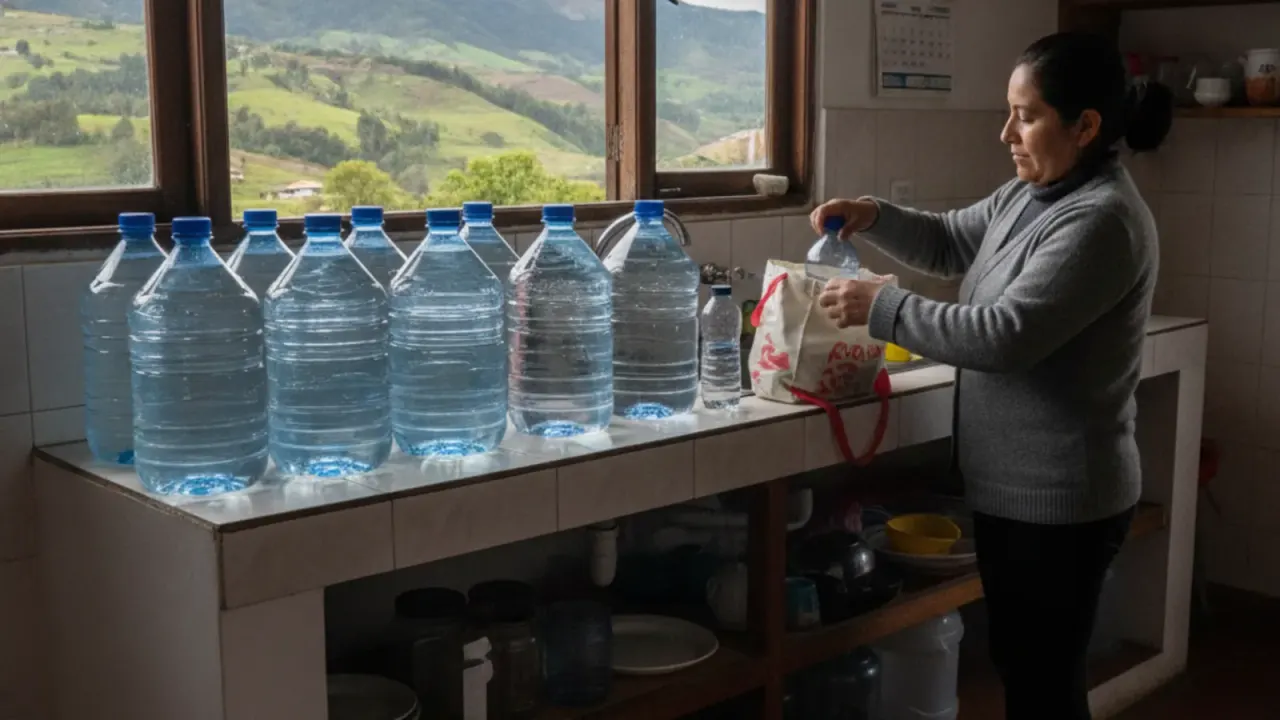
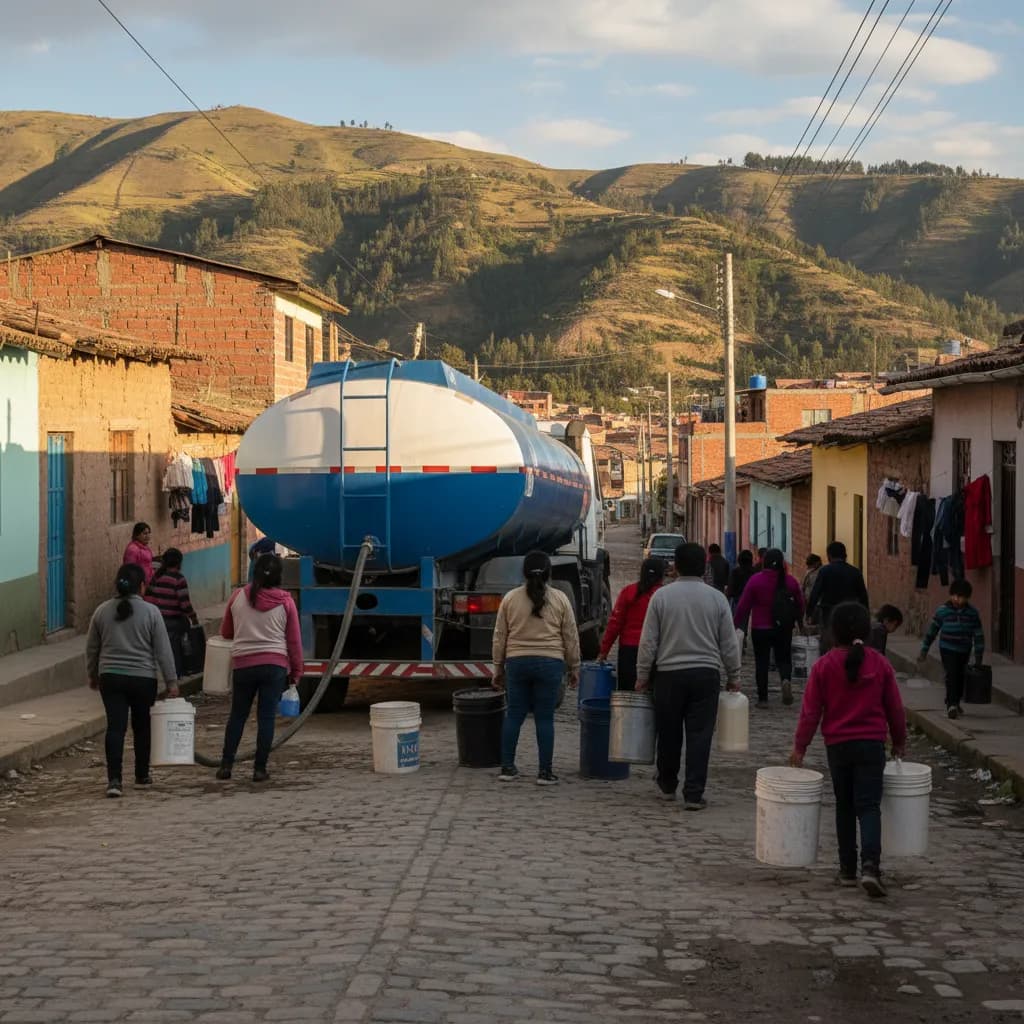
Cuencanos consume about 200 liters of water per person per day — nearly twice what the WHO says you need. At $0.60 per thousand liters, there's no financial incentive to cut back. But the city's rivers aren't infinite.
Cuenca remains one of the most affordable cities for expats in the Americas, but costs are rising faster than they used to. Here's an honest, line-by-line breakdown of what it actually costs to live here in 2026 — and how to stretch your dollars further.
Cuenca's real estate market is defying Ecuador's broader economic headwinds. Property values are up 8-12% annually, rents are surging in expat-popular neighborhoods, and the investor visa threshold just went up. Here's a practical breakdown of what's happening and how to navigate it.
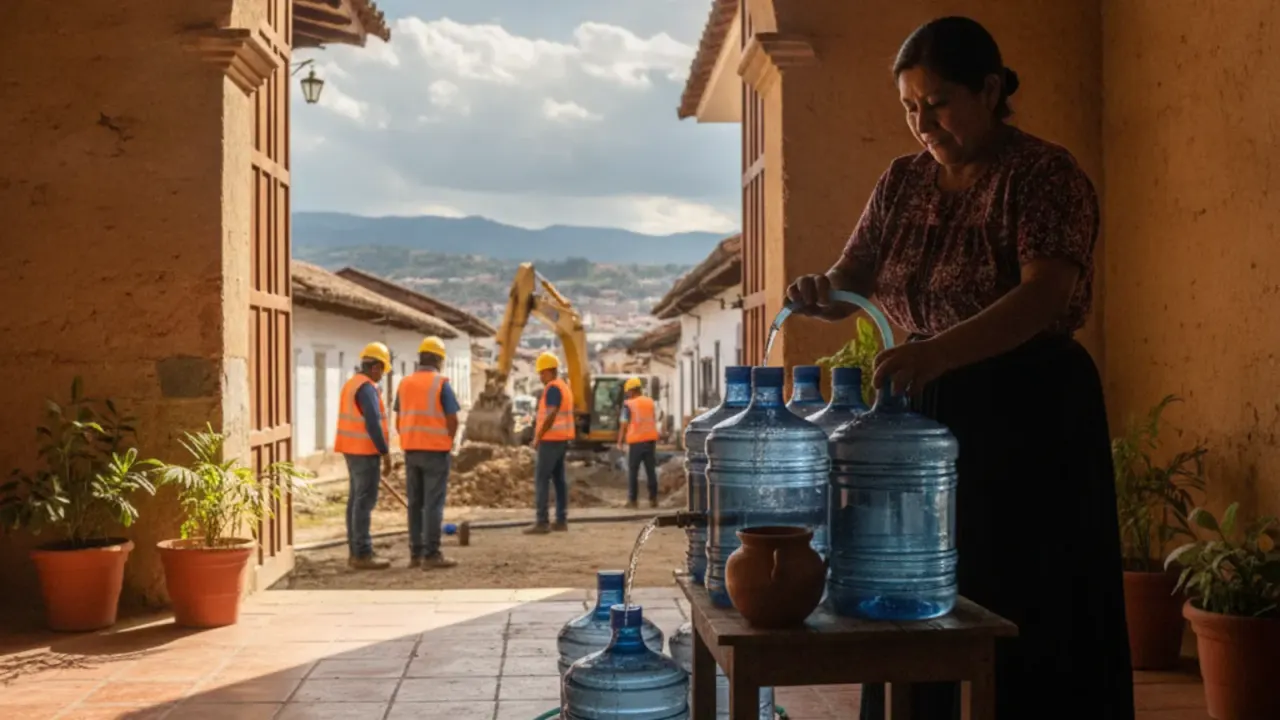
From Cuenca's first full wastewater treatment plant to potable water expansion in Santa Ana, ETAPA's 2026 plan includes 200 contracts worth $58.4 million. Here's what's actually in the pipeline and why it matters for the city's future.
If your lease is up soon, brace yourself. One-bedroom apartments in Cuenca now run $550–750/month, two-bedrooms hit $750–1,100, and the days of the mythical $400 rental are mostly over. Here's what's driving it and where to look.
After the devastating 2024 blackouts that hit Cuenca with up to 14 hours without power daily, the government unveiled its 2025–2030 energy expansion plan. The headline number: 1,471 megawatts of new capacity from solar, wind, hydro, and geothermal. The real question: will it get built?