Loading...
Stories, tips, and insights from the expat community in Cuenca
Search results for “blackouts”Clear search
A 90-day emergency has been declared across five coastal provinces. Over 200,000 people are affected. Cuenca is fine — but if you travel to the coast, fly through Guayaquil, or care about electricity, read this.
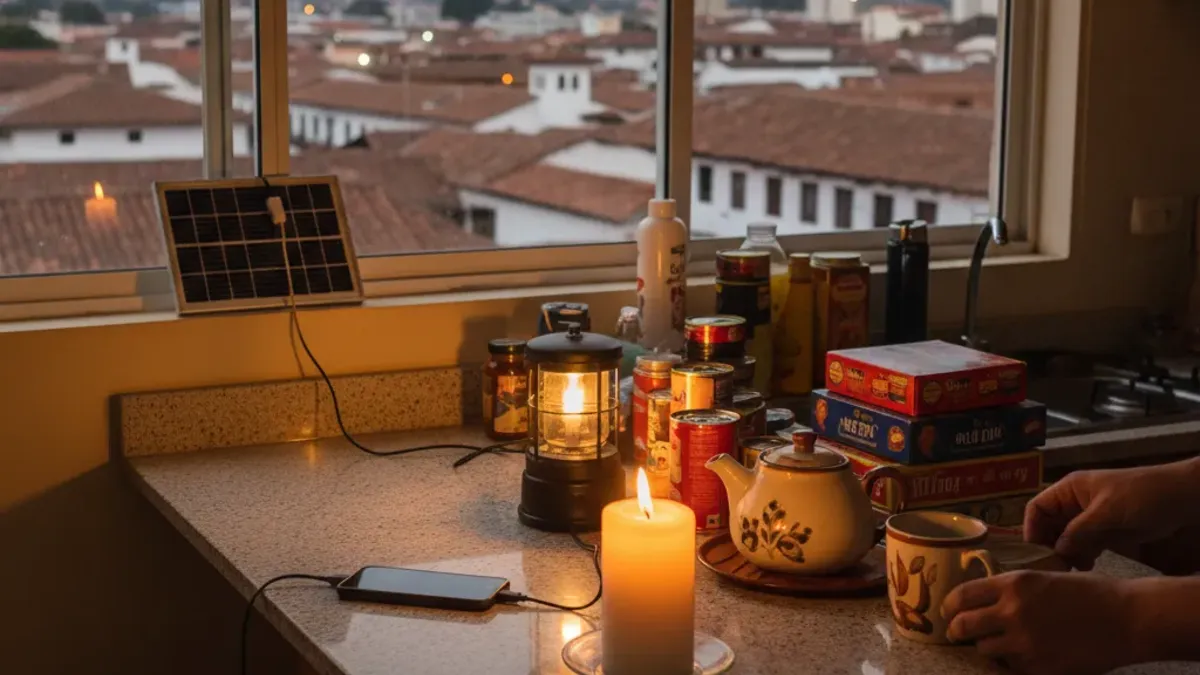
After the devastating 2024 blackout crisis that left Ecuadorians without power for up to 14 hours a day, the Mazar hydroelectric reservoir just hit its maximum level. Combined with strong rainfall, the power outlook is the best it's been in over a year.
Cuencanos consume about 200 liters of water per person per day — nearly twice what the WHO says you need. At $0.60 per thousand liters, there's no financial incentive to cut back. But the city's rivers aren't infinite.
After the devastating rolling blackouts of 2024, every expat in Ecuador has the same question: will it happen again? New plants are online, Turkish floating generators are humming, and the rain is helping — but one massive vulnerability remains. Here's the full picture.
Cuenca's 2026 rainy season is anything but ordinary. After years of drought, the skies have opened up with a vengeance — flooding streets, dusting the Cajas with snow, and refilling the reservoirs that kept the lights off in 2024. Here's what expats need to know to stay safe and dry.
If your lease is up soon, brace yourself. One-bedroom apartments in Cuenca now run $550–750/month, two-bedrooms hit $750–1,100, and the days of the mythical $400 rental are mostly over. Here's what's driving it and where to look.
After the devastating 2024 blackouts that hit Cuenca with up to 14 hours without power daily, the government unveiled its 2025–2030 energy expansion plan. The headline number: 1,471 megawatts of new capacity from solar, wind, hydro, and geothermal. The real question: will it get built?
The headline concert of Carnival 2026 features Nicky Jam and Trebol Clan on February 14 at Estadio Serrano Aguilar. Every dollar from ticket sales goes directly to purchasing and conserving paramo in Cajas National Park.