Paute Reservoir Levels Are Dropping Fast — Should Cuenca Worry About Blackouts Again?

What's Happening
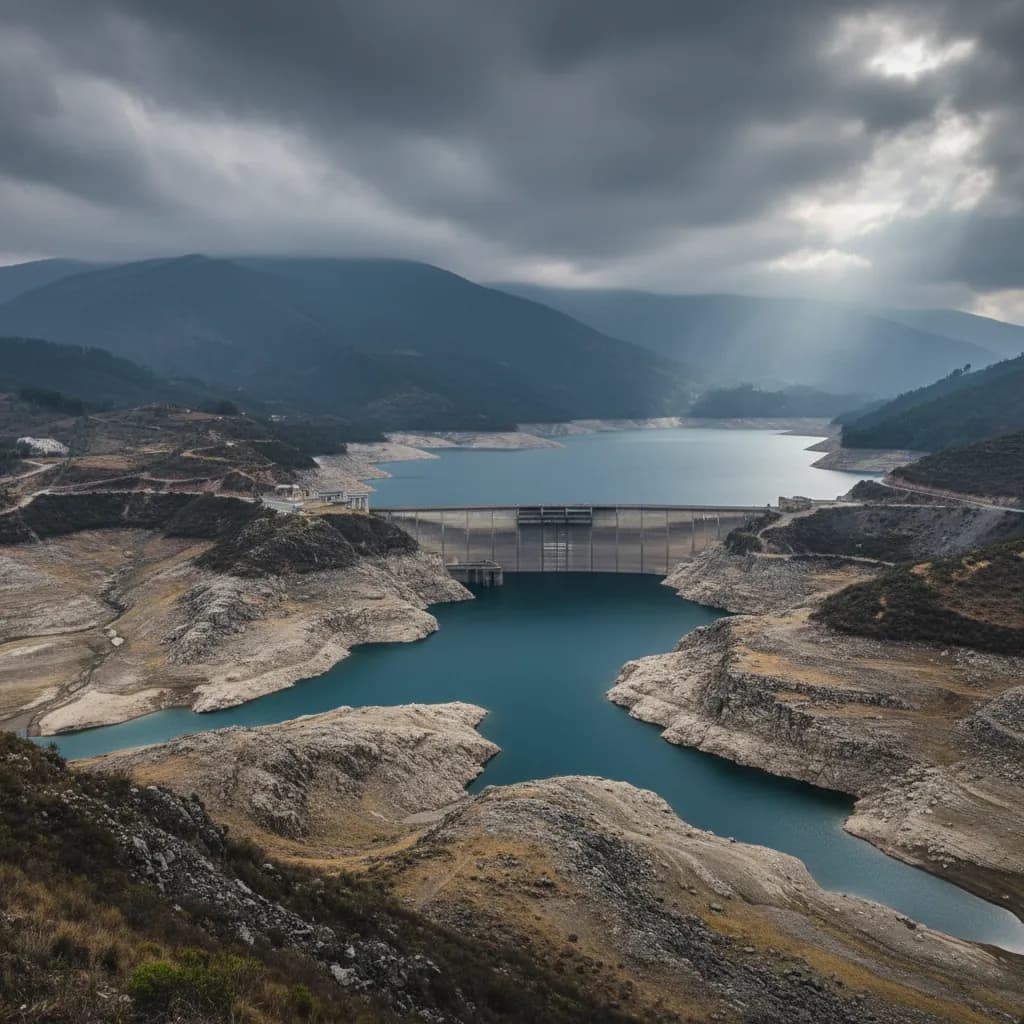
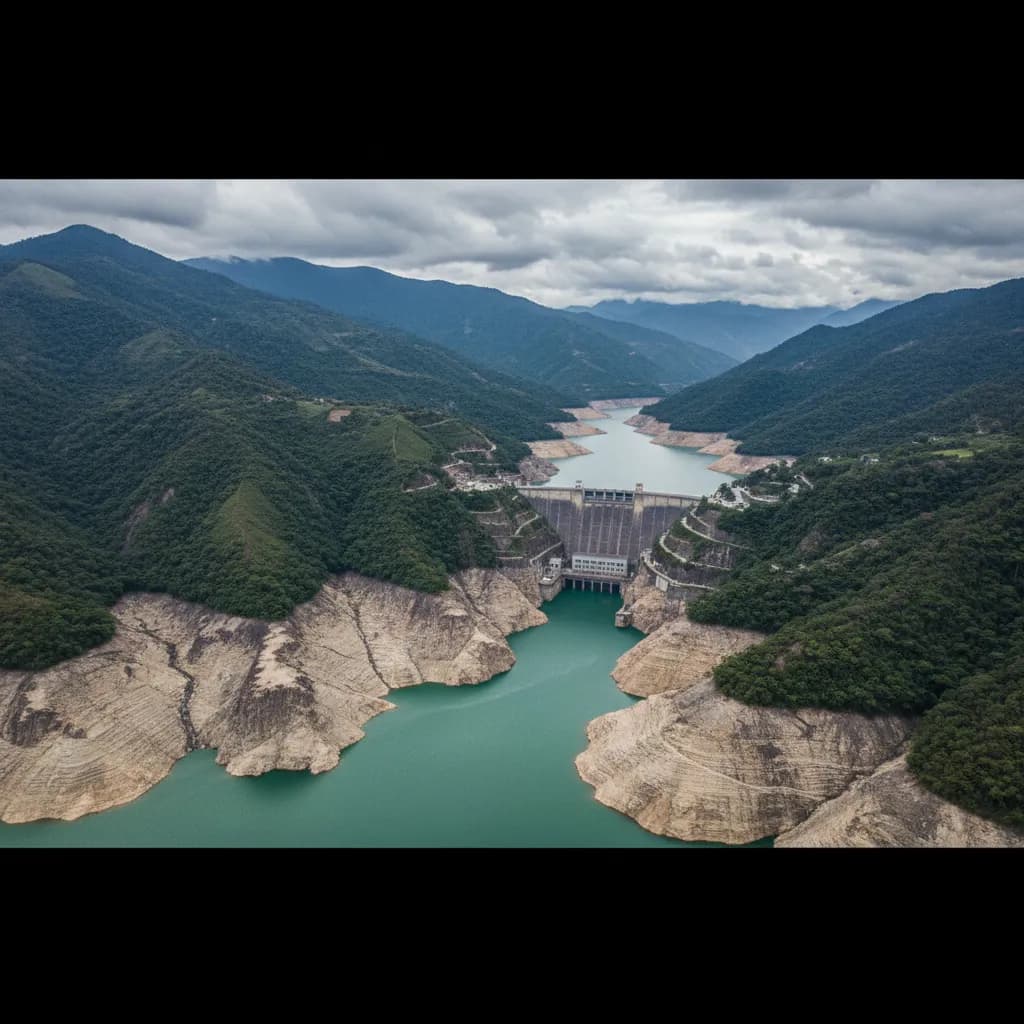
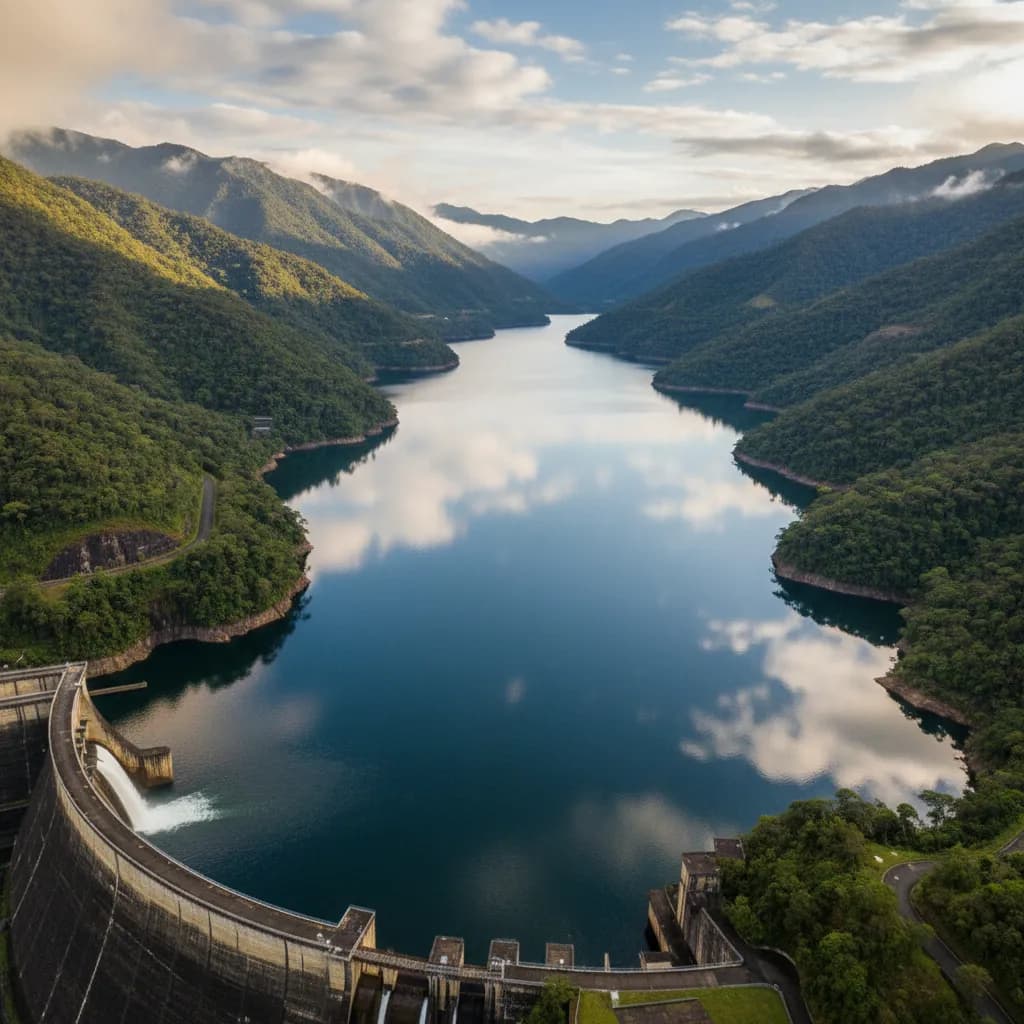
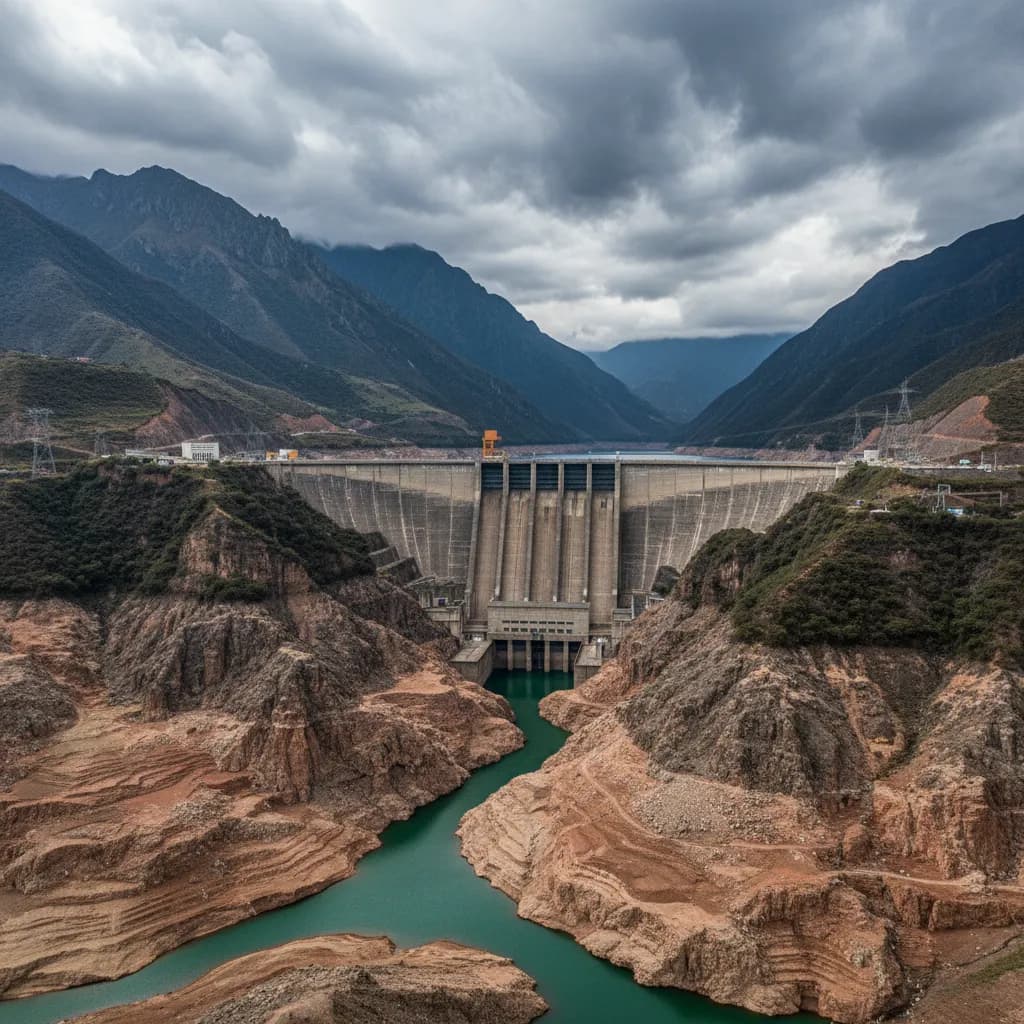
The Paute River — which feeds the hydroelectric complex that generates roughly 38% of Ecuador's electricity — is running dangerously low.
On March 20, river flow dropped to 54.64 m³/s, the lowest reading of the month. Just eight days earlier, on March 12-13, it was flowing at 247 m³/s. That's a drop of more than 75% in about a week.
All four dams in the Paute complex — Mazar, Daniel Palacios (Molino), Sopladora, and Cardenillo — are showing concerning declines in reservoir levels.
Why This Matters
The Paute hydroelectric complex is Ecuador's single most important power source. When its reservoirs drop, the entire national grid feels it:
- Cenase (the National Electricity Operator) has already asked private emergency generators to activate — a move that signals the grid is under stress
- The Turkish floating power plants (emergency ship-based generators leased after the 2024 crisis) provide backup, but at much higher cost
- If the dry spell continues, rationing isn't off the table, though the government hasn't announced anything yet
Are We Headed for Another 2024?
Probably not — but the vulnerability is real.
Why it's different from 2024:
- Ecuador now has emergency backup capacity (floating plants, new generators) that didn't exist during the 2024 crisis
- A new 200 MW hydroelectric plant came online
- Other reservoirs (including Mazar) had been at or near capacity earlier this month thanks to heavy rains
Why it's still concerning:
- The Paute complex alone produces 38% of national electricity — that's an enormous single point of failure
- March-April can be dry in the eastern watershed even while Cuenca gets rain (they're different micro-climates)
- An El Mercurio editorial today called this a recurring structural problem with no real solution, noting that Ecuador has failed to diversify its energy mix despite years of warnings
What This Means for Cuenca
If rationing happens, Cuenca would be affected along with the rest of Ecuador. During the 2024 crisis, Cuenca experienced 8-14 hour daily blackouts that disrupted work, spoiled food, and made life miserable for months.
Practical steps (just in case):
- Charge your devices and keep portable battery packs topped up
- UPS (uninterruptible power supply) for your router/modem if you work from home — they're available at local electronics shops for $40-80
- Flashlights and candles — the basics
- Don't panic-buy generators yet — we're not there, and the situation could reverse with a few days of good rain in the eastern watershed
We'll keep monitoring reservoir levels and report if the situation escalates.
Sources: El Mercurio, Primicias
Keep Cuenca's daily expat briefing independent.
Reader support helps pay for reporting, translation, editing, hosting, and the daily work behind CuencaExpat.
More in News
View all →Gapal Interchange Project Faces Claims Amidst Bidding Process in Cuenca
September 21, 2026
Azuay Prosecutors Request Hearing for Suspended Cuenca Mayor Cristian Zamora Amid Health Travel Announcement
September 21, 2026
Azuay Authorities Coordinate Provincial Simulation to Prepare for El Niño Scenarios
September 19, 2026